



In the world of fantasy sports, staying agile and adapting to changes is crucial for success. As the season progresses, players' performances can fluctuate dramatically, creating opportunities and challenges for managers who aim to optimize their teams week by week. This analysis delves into recent trends among players whose contributions have surged or dipped.
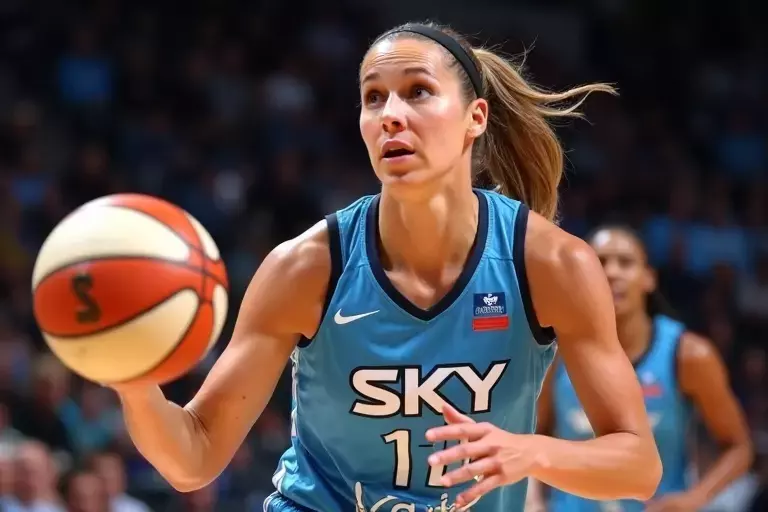
Among those making significant strides is veteran guard Courtney Vandersloot of the Chicago Sky. After returning to her former team following a two-year stint with the New York Liberty, Vandersloot has demonstrated remarkable consistency. Her ability to accumulate substantial playing time and produce impressive fantasy scores has elevated her status within the league rankings. Partnering with emerging talents like Angel Reese and Kamilla Cardoso, Vandersloot continues to excel in distributing plays while maintaining high scoring output. However, as the season advances, her minutes may be adjusted, presenting a strategic decision point for fantasy managers weighing between trading her now or retaining her for long-term benefits.
On the other hand, some players have seen a decline in their performance metrics. Skylar Diggins of the Seattle Storm exemplifies this trend, after an explosive start where she consistently scored above 36 fantasy points per game. Recently, her average has dropped significantly, raising concerns about her reliability moving forward. Managers should consider exploring trade options to capitalize on her current standing before further slippage occurs. Similarly, Stefanie Dolson of the Washington Mystics, initially praised for her solid contribution early in the season, has faltered in recent matches. With competition intensifying from teammates such as Shakira Austin, Dolson’s role as a starter seems uncertain, prompting fantasy managers to reassess her value.
Aari McDonald’s arrival at the Indiana Fever brings fresh hope amidst roster uncertainties caused by injuries. Her immediate impact in boosting the team’s offensive efficiency highlights her potential as a valuable asset during this transitional phase. By embracing these shifting dynamics, fantasy managers can better navigate the complexities of player selection and lineup management throughout the season.
Change is inevitable, yet it offers pathways to innovation and improvement. By closely monitoring player progressions and setbacks, fantasy managers can make informed decisions that enhance their team's overall effectiveness. Embracing adaptability not only strengthens competitive positioning but also fosters a deeper appreciation for the sport's evolving nature, inspiring continuous learning and growth within the community.
