This article discusses Toyota's decision to postpone the launch of its all-electric Highlander SUV. It explores the reasons behind this delay, including the strong market performance of its gasoline and hybrid Highlander models, as well as production challenges affecting the RAV4. The piece also touches on how this delay might impact Toyota's market standing in the competitive SUV segment, especially in relation to rivals like Honda.
Navigating the Evolving Automotive Landscape: Toyota's Strategic EV Delay
Persistent Market Strength of Conventional and Hybrid Models
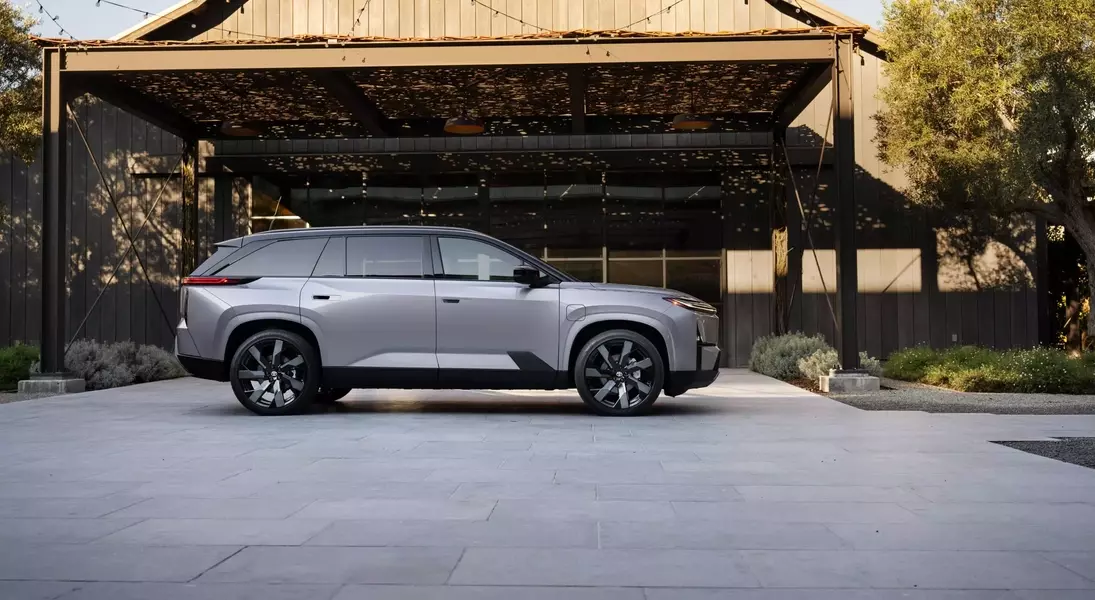
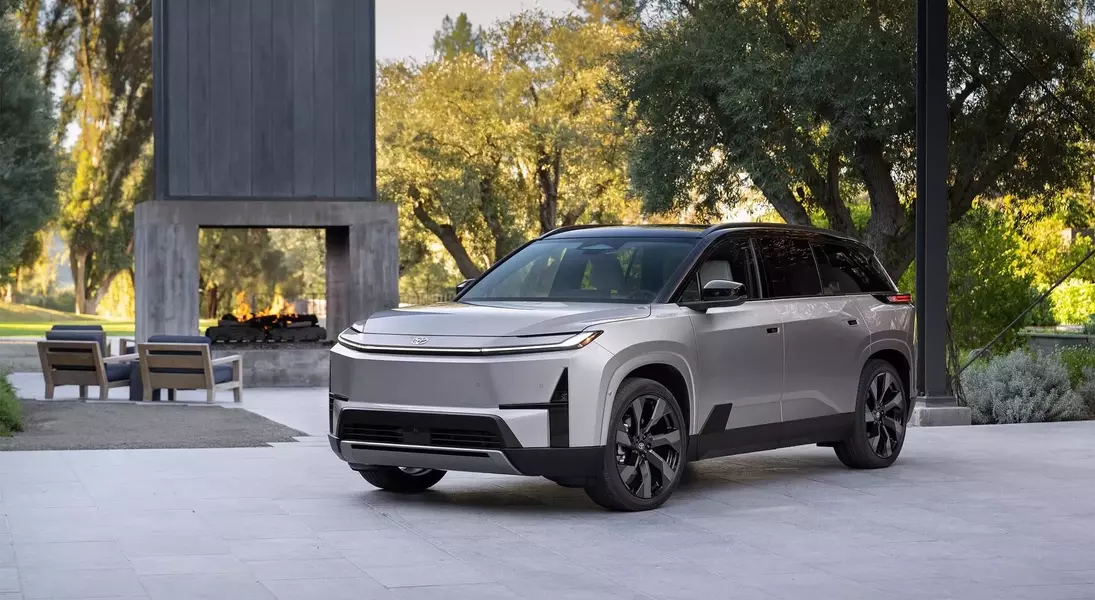
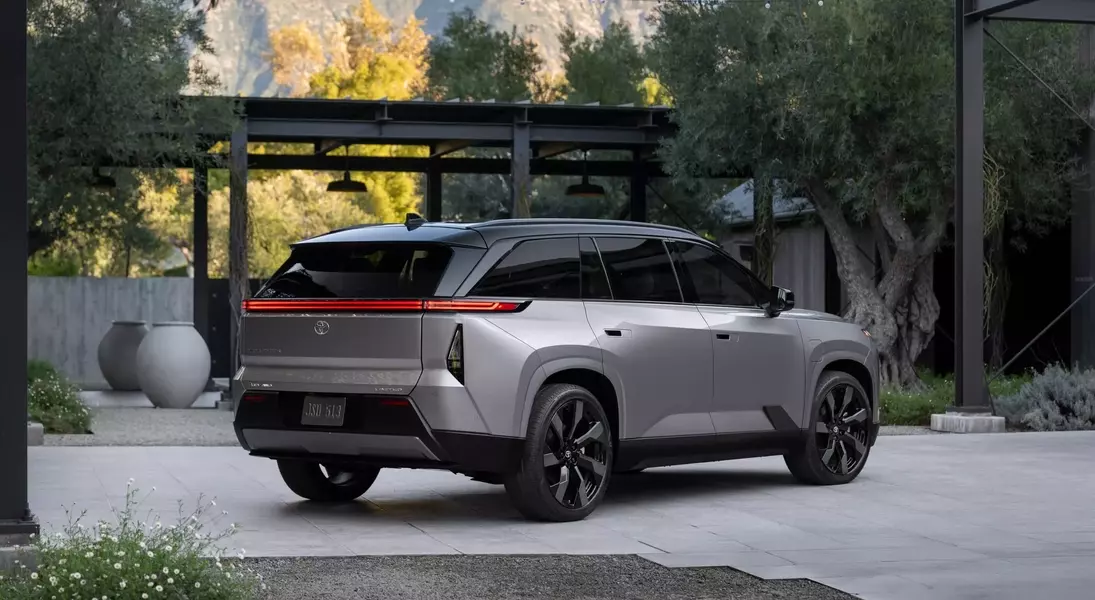
Toyota has announced a postponement in the launch of its anticipated three-row electric SUV, the Highlander EV, deferring its market introduction to the following year. Originally slated for a late 2026 release in the United States, Toyota cited the need for “final adjustments” as the primary reason for this strategic shift. This decision underscores the continued robust sales performance of the Highlander's internal combustion engine (ICE) and hybrid electric vehicle (HEV) variants in the U.S. market. Even as a new electrified model looms, consumer demand for these established powertrains remains exceptionally high.
The Strategic Role of RAV4 Production Dynamics
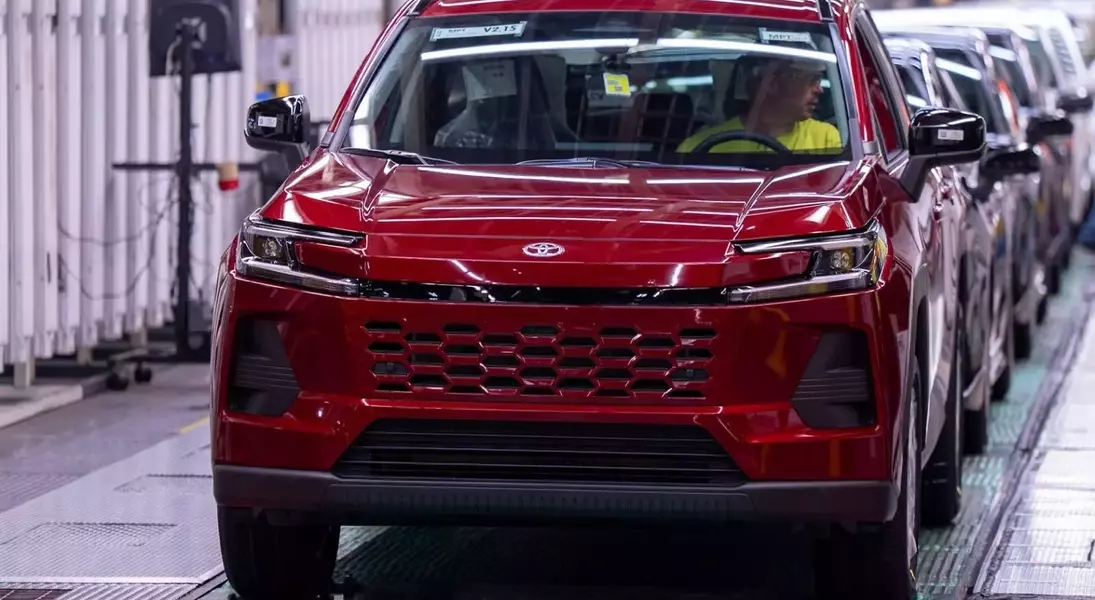
Beyond the Highlander, the article highlights significant developments concerning the Toyota RAV4. This compact SUV, now exclusively offered as a hybrid or plug-in hybrid, is another highly sought-after vehicle among American buyers. Earlier reports indicated that Toyota dealerships struggled to meet the overwhelming demand for the RAV4, with consumers willingly purchasing previous model year vehicles without discounts. While Toyota has since begun to ramp up production to address this shortage, the immense popularity of the RAV4 has inadvertently bolstered sales of other models, such as the 4Runner. Despite these efforts, Toyota faces increasing competition, with Honda's CR-V potentially surpassing the RAV4 in sales this year, signaling a shift in market dynamics.
Continued Manufacturing of Internal Combustion and Hybrid Highlanders
The commencement of production for the new Toyota Highlander EV is now slated for the next calendar year. Reports confirm that the 2026 models of the Highlander, encompassing both its ICE and HEV configurations, will remain in active production until December 2026. This extended production period reflects the prevailing consumer preference for conventional and hybrid vehicles, despite the recent growth in electric vehicle market share. For Toyota, this delay, while potentially unforeseen, offers an opportunity to capitalize further on the sustained demand for its existing Highlander models. The all-electric Highlander is poised to feature innovative exterior and interior designs; however, many buyers continue to favor the proven reliability and performance of ICE and HEV powertrains. As Toyota works to resolve its RAV4 production bottlenecks, the company can leverage the current strong sales of its Highlander line, extending its profitability until the electrified version is ready for mass production in 2027.
