This article explores the evolving perception of hybrid vehicle reliability, particularly focusing on Toyota models, through the lens of an experienced mechanic and supporting industry data.
Embrace the Hybrid Future: Where Reliability Meets Innovation
The Rise of Hybrid Dominance: Toyota's Strategic Shift
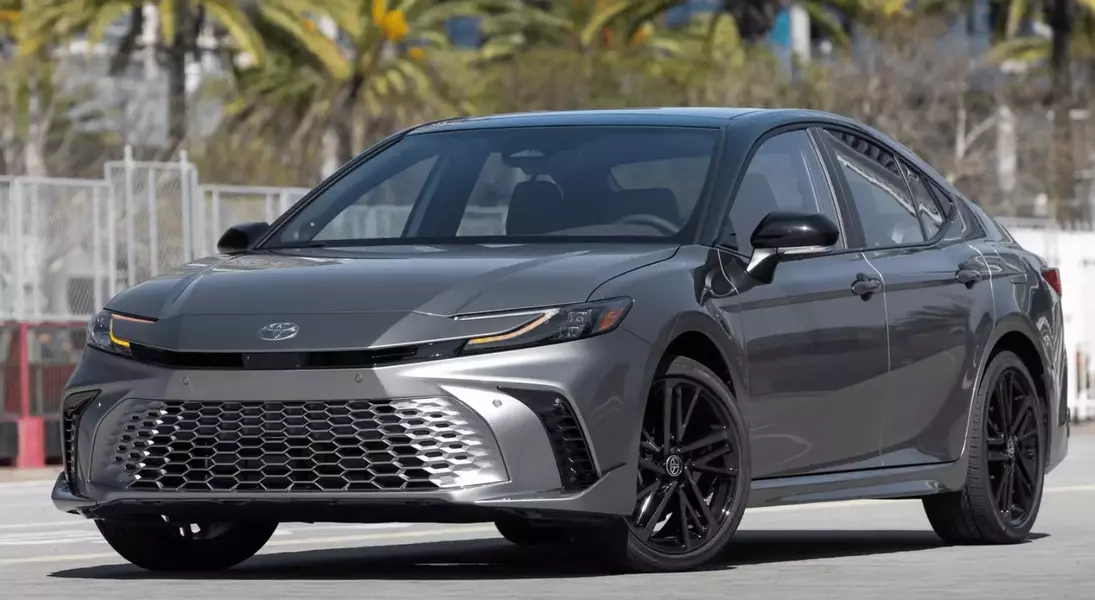
The landscape of automotive technology is rapidly shifting, with hybrid vehicles gaining significant traction. Toyota, a pioneer in hybrid technology, is increasingly integrating electric motors into its models, with some becoming exclusively hybrid offerings. While this move has sparked debate among consumers regarding potential reliability concerns, a veteran mechanic, widely recognized on YouTube for his extensive experience with Toyotas, provides a compelling counter-narrative based on his hands-on observations.
Expert Insight: Hybrids Outshine Traditional Powertrains
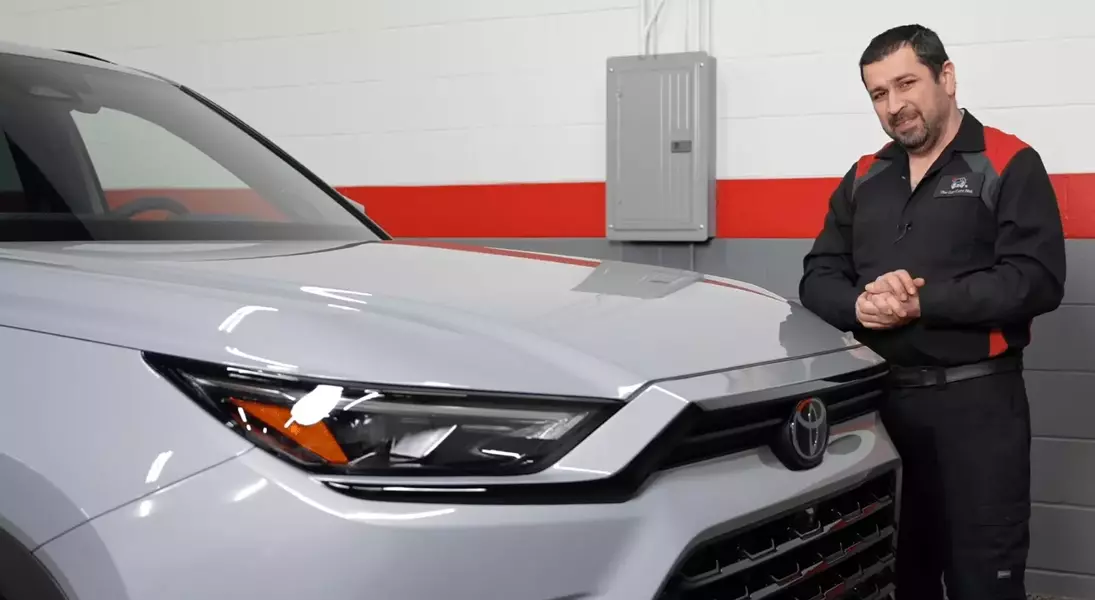
The "Car Care Nut," a YouTube personality with a substantial following of approximately 1.67 million subscribers, firmly believes that contemporary hybrid systems are now inherently more dependable than their non-hybrid counterparts. His professional experience, gathered from countless vehicle repairs, indicates a noticeable trend: turbocharged engines visit his workshop far more frequently than hybrid vehicles.
Dispelling Hybrid Misconceptions: Understanding Reliability Apprehensions
Despite growing evidence of their reliability, some consumers remain skeptical about hybrids, often citing perceived added complexity due to the integration of more components compared to conventional naturally aspirated engines. This assumption leads to concerns about an increased probability of malfunctions, a valid point for those mindful of their budget. A primary source of anxiety often revolves around the hybrid battery, with replacement costs frequently estimated between $2,000 and $8,000, depending on the specific model.
Innovative Engineering: The "Negative Maintenance" Advantage of Hybrids
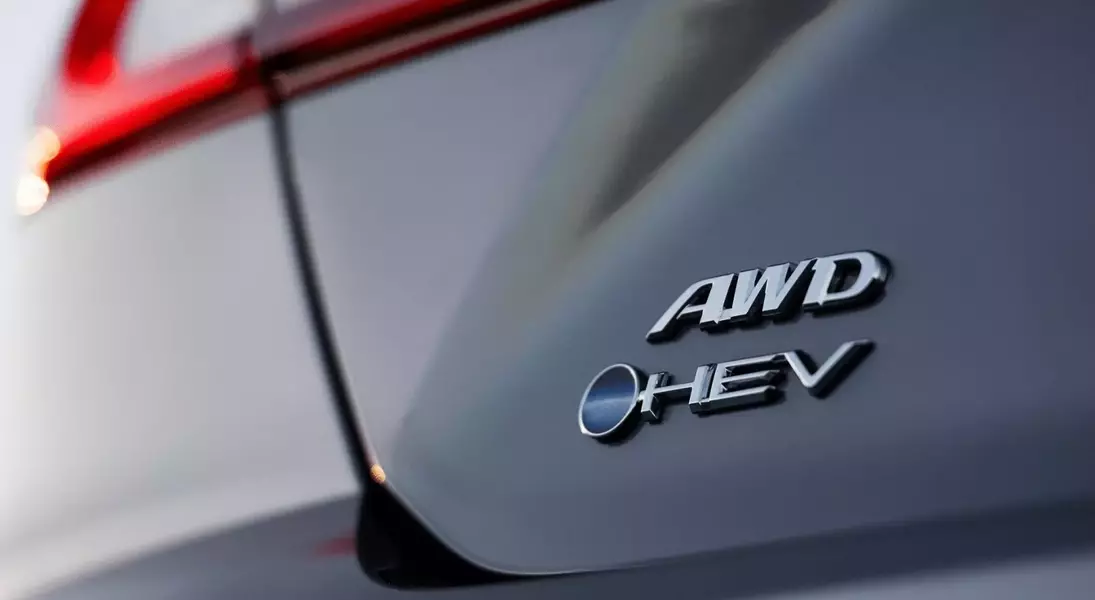
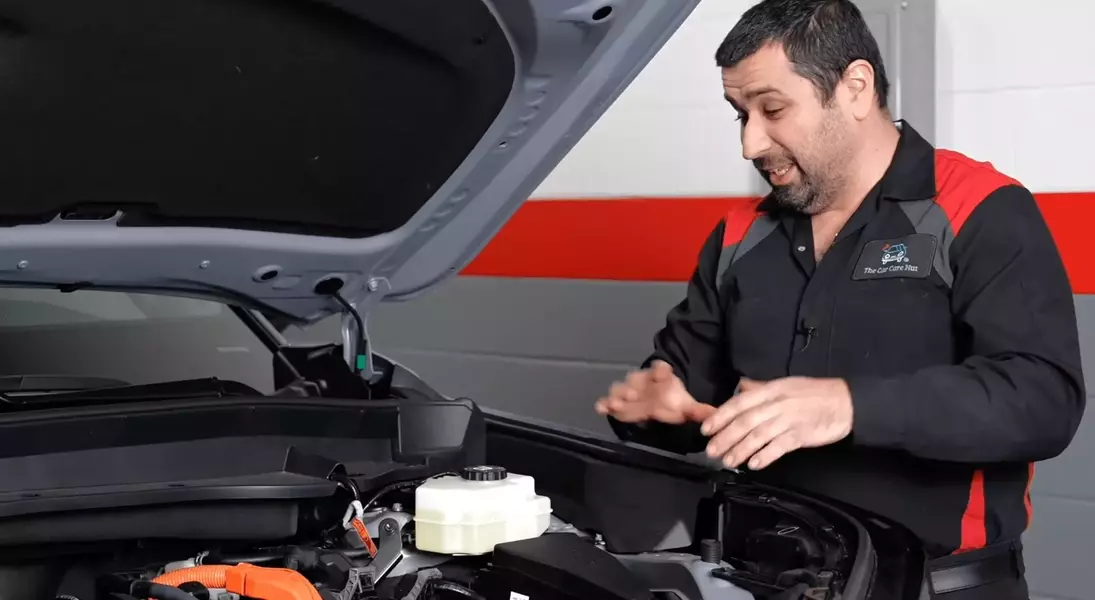
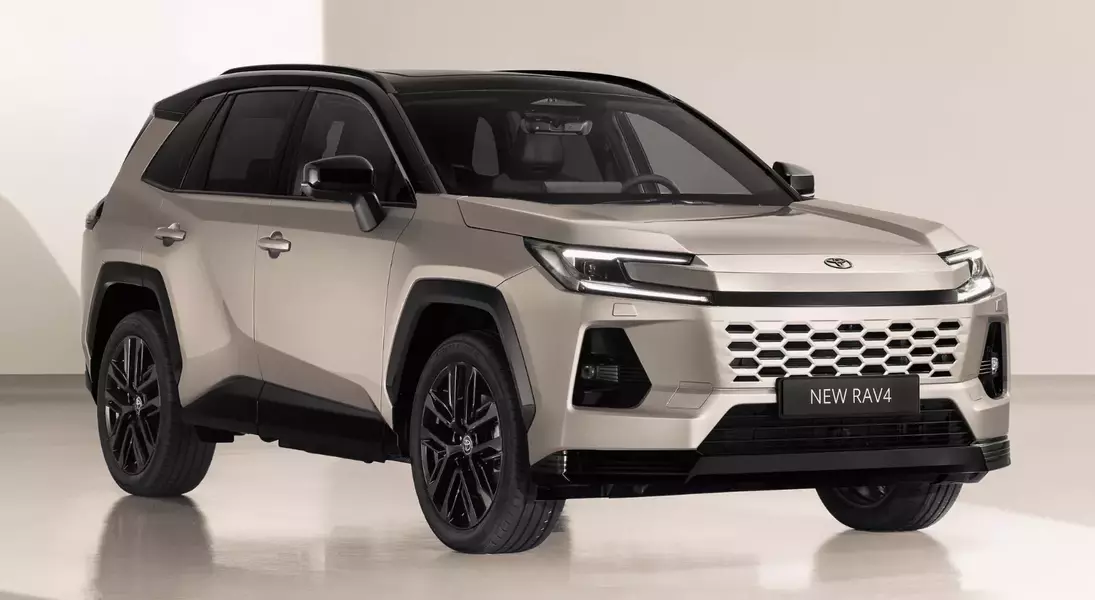
However, the mechanic YouTuber highlights what he terms "negative maintenance" benefits in hybrids, including models like the Toyota RAV4. Hybrid powertrains eliminate the need for traditional starters and alternators. Furthermore, regenerative braking significantly extends the lifespan of braking components by converting kinetic energy into electrical power, which then recharges the battery. He also notes that advancements in modern hybrid systems have led to more compact designs, enhancing accessibility for technicians and potentially lowering labor costs.
Real-World Evidence: Shop Floor Learnings and Industry Confirmation
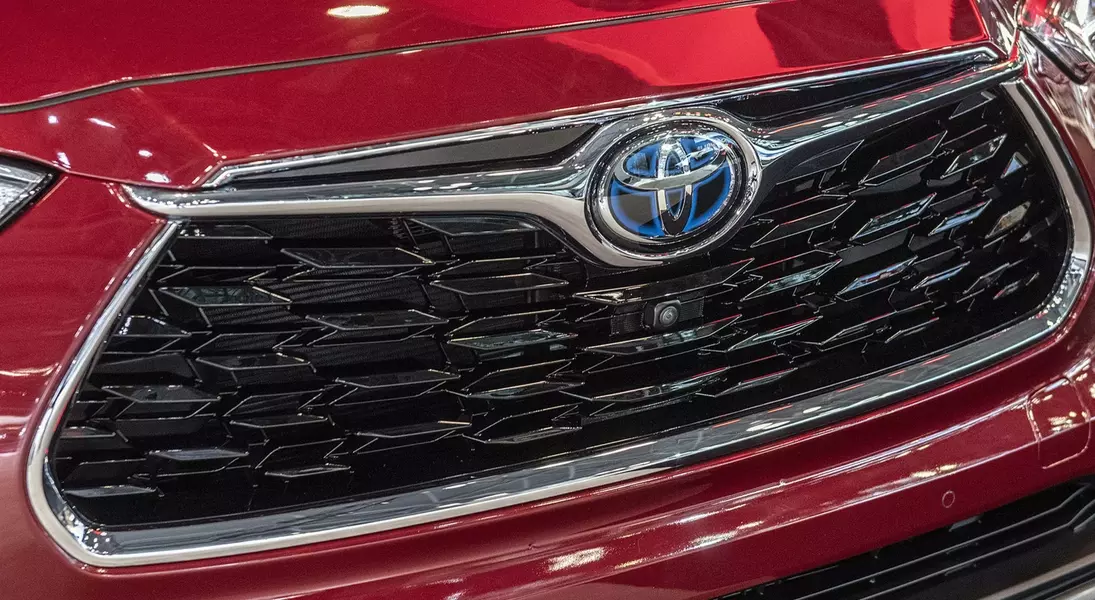
From his daily work, the mechanic observes that traditional Toyota models equipped with turbocharged engines and 8-speed automatic transmissions, such as the Highlander, are more frequent visitors to his shop. When a hybrid vehicle does arrive, it's typically for collision-related damage rather than inherent powertrain design flaws. He strongly supports Toyota's strategic pivot towards hybrid-only models. This assessment is bolstered by data from Consumer Reports, which reported that hybrids experienced about 15 percent fewer problems than purely internal combustion vehicles in the past year, although this reliability advantage has not yet been extended to plug-in hybrids.
