
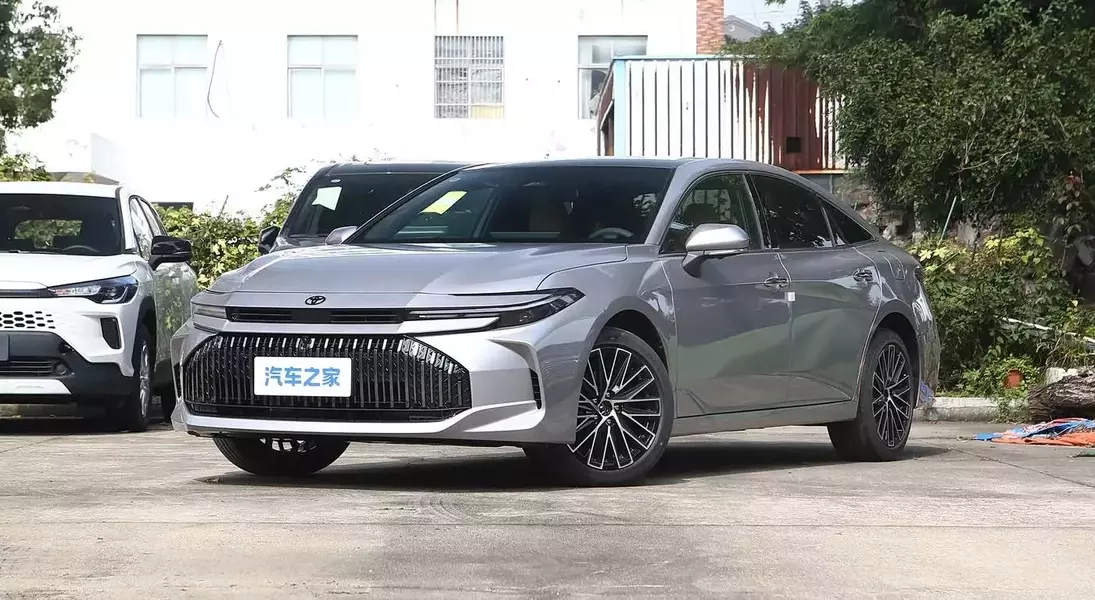




While the Toyota Avalon bid farewell to the American market in 2022, its journey continues with renewed vigor in China. Toyota is set to introduce a revamped Avalon model in November, specifically tailored for the Chinese consumer base. This strategic move highlights how diverse global automotive markets necessitate unique product offerings and the art of reintroducing established nameplates to cater to evolving demands. The new Avalon promises an blend of updated aesthetics, luxurious interiors, and efficient powertrain choices, affirming its position as a premium sedan in its target market.
Revamped Toyota Avalon Set for Chinese Market Debut
On November 5, 2026, the automotive world anticipates the grand unveiling of the new Toyota Avalon in China. This launch, confirmed by official brand channels and reported by Autohome, marks a significant moment for a nameplate that was discontinued in the United States in 2022. The new Avalon for the Chinese market is poised to captivate with its comprehensive exterior and interior enhancements, offering consumers a choice between traditional gasoline and advanced hybrid variants. This strategic revival showcases Toyota's commitment to adapting its product lineup to the specific preferences and environmental considerations of different regions.
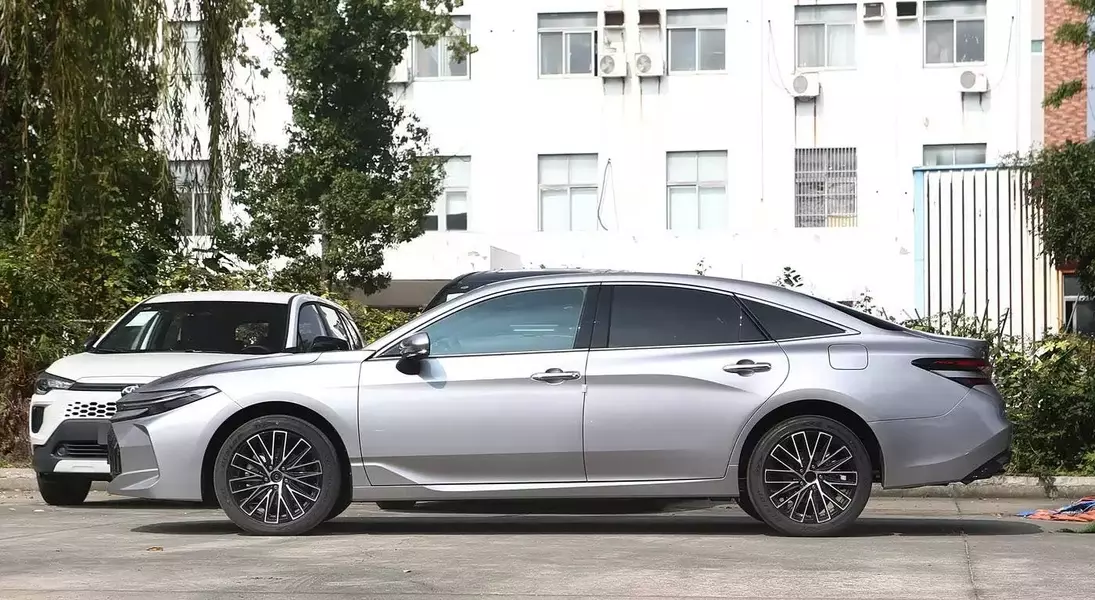
From an aesthetic perspective, the updated Avalon presents a striking redesigned front grille, now characterized by elegant vertical chrome slats that serve as a prominent visual feature. Complementing this refreshed front fascia are the signature C-shaped headlights, a design element increasingly seen across Toyota's contemporary sedan lineup, including the Crown and Camry, which shares a close lineage with the Avalon. In terms of dimensions, the new Avalon commands a presence with a length of 4,990 mm, a width of 1,850 mm, and a height of 1,440 mm, anchored by a substantial 2,870 mm wheelbase. The vehicle's profile is further accentuated by newly designed rims, while its distinctive rear lighting cluster ensures the Avalon stands apart from its sedan siblings with a unique pattern and layout.
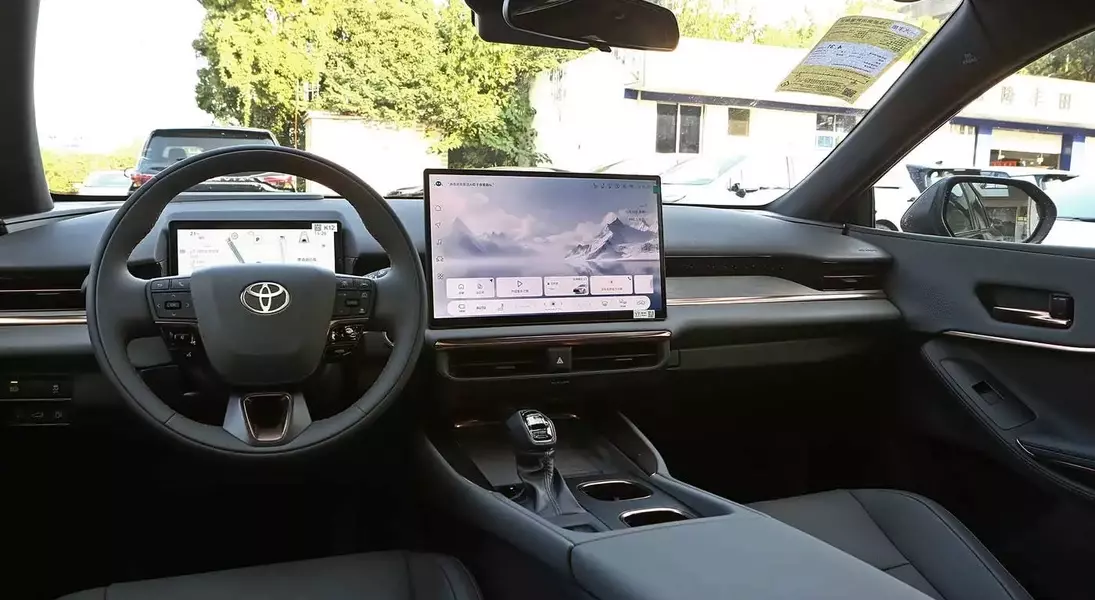
Stepping inside, the new Avalon truly embodies its role as a bridge between the well-regarded Camry and the opulent Lexus range. The cabin embraces occupants with a sophisticated wraparound design, featuring a large, intuitive infotainment screen and an innovative Head-Up Display (HUD) for enhanced driver focus. The interior's premium ambiance is elevated by the inclusion of crystal trim accents, harmoniously contrasting with the subtle two-tone piping gracing the seats and steering wheel. Comfort and convenience are paramount, with amenities such as heated and ventilated seats, a soothing massaging function for front passengers, and an in-car fragrance system, all designed to create an unparalleled driving experience.
Under the hood, the new Avalon offers a choice of two robust powertrains. Enthusiasts can opt for the familiar 2.0-liter gasoline engine, which delivers a respectable 170 horsepower, mirroring the output of its predecessor. For those seeking greater efficiency and a touch of eco-consciousness, a 2.5-liter gasoline-hybrid system is available, generating a combined output of 230 horsepower. The gasoline variant is paired with a smooth continuously variable transmission (CVT), while the hybrid model benefits from a specialized e-CVT, optimizing power delivery and fuel economy.
The return of the Toyota Avalon to the Chinese market with such a thoughtfully re-engineered model is a testament to the dynamic and diverse nature of the global automotive industry. It underscores the importance of regional market nuances and how manufacturers strategically adapt their offerings to meet localized demands and tastes. This reintroduction offers a valuable lesson in product lifecycle management, demonstrating that a model's discontinuation in one region can pave the way for its successful reincarnation elsewhere. It reminds us that for car enthusiasts and industry observers, the evolution of vehicle nameplates across different continents is a fascinating journey of adaptation and innovation, always responding to the pulse of the local consumer.
