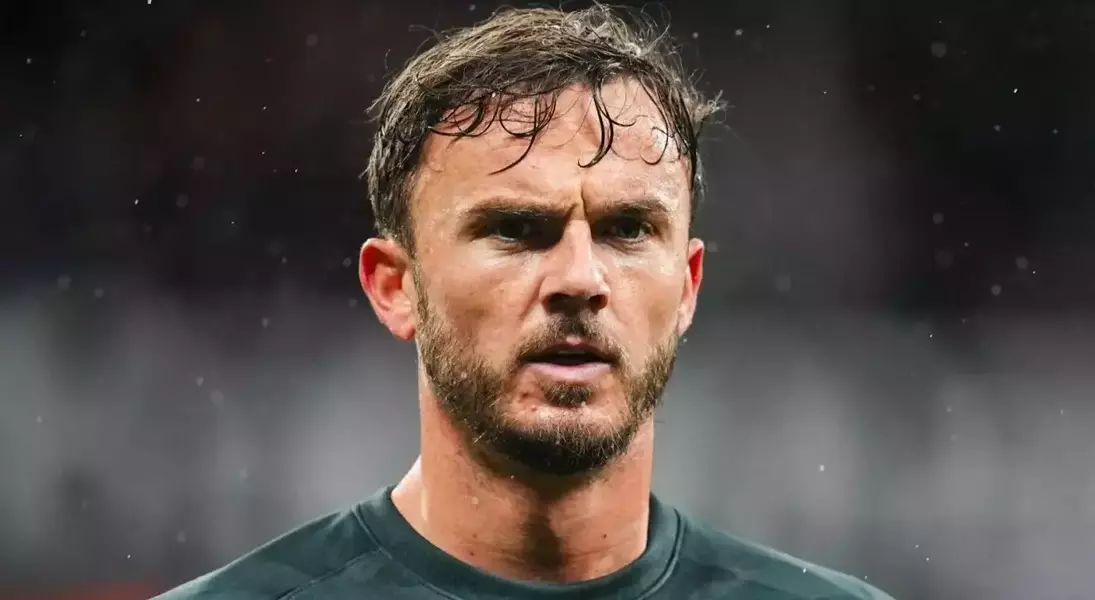
Tottenham Hotspur is currently navigating a challenging period, marked by significant injury setbacks to key creative players. The long-term absence of James Maddison due to an ACL injury, coupled with uncertainties surrounding Dejan Kulusevski’s fitness, has exposed a critical vulnerability in the club's offensive midfield. This unfortunate turn of events compels Spurs to re-evaluate their transfer strategy, intensifying their pursuit of suitable replacements who can inject much-needed dynamism and inventiveness into their squad. The situation underscores the unpredictable nature of football, where a single injury can dramatically alter a team's tactical approach and market priorities, forcing immediate and strategic action to fill the void and sustain competitive aspirations.
The imperative to strengthen the squad extends beyond merely covering for absent players; it’s about maintaining the team’s creative edge and ensuring a robust attacking presence. With the transfer window in full swing, Tottenham finds itself actively scouting a diverse pool of talent, from established Premier League stars to promising young prospects across Europe. Each potential target brings a unique blend of skills and challenges, reflecting the complex considerations involved in high-stakes transfers. The club’s decision-makers face the intricate task of balancing player availability, financial feasibility, and strategic fit to identify individuals who can seamlessly integrate into the team’s system and contribute immediately to its success. This strategic urgency highlights the club’s commitment to addressing its current shortcomings and building a resilient squad capable of navigating the demands of a competitive season.
The Search for Creative Reinforcement
Tottenham's current predicament, stemming from pivotal injuries to playmakers James Maddison and Dejan Kulusevski, has significantly heightened the urgency of their transfer market activities. The sudden void in creative midfield options means the club must swiftly identify and secure players capable of unlocking defenses and orchestrating attacks. This unforeseen challenge has not only reshaped their immediate recruitment priorities but also brought into sharper focus the depth and resilience of their existing squad. The need to act decisively in the transfer market is paramount, as the absence of key offensive talents could otherwise derail their ambitions for the season.
In response to this pressing need, Tottenham has cast a wide net, considering several prominent names across various leagues. Among the potential targets are Nico Paz of Como, a young talent with a complex ownership situation involving Real Madrid, and Liverpool’s Harvey Elliott, whose impressive performances for England U21s suggest a readiness for a more prominent role. Also on their radar is Jack Grealish from Manchester City, a player whose future at his current club seems uncertain, and Ebere Eze of Crystal Palace, a long-standing target for Spurs who possesses the creative spark they desperately require. Furthermore, the club is reportedly monitoring Xavi Simons from RB Leipzig, Morgan Rogers of Aston Villa, Manchester United’s Kobbie Mainoo, Mikkel Damsgaard from Brentford, and West Ham’s Lucas Paqueta, all of whom offer distinct attributes that could address Tottenham’s creative deficit. Each of these players presents unique opportunities and obstacles, from high transfer fees and contractual complexities to competition from rival clubs, making Tottenham's pursuit a multifaceted challenge.
Strategic Player Acquisition and Market Dynamics
The strategic considerations for Tottenham extend beyond mere talent acquisition; they involve navigating intricate market dynamics and assessing each player's potential impact on team chemistry and performance. The club is not only seeking to replace the creative output lost due to injuries but also aiming to enhance the overall quality and versatility of their midfield. This approach requires a careful evaluation of each target's playing style, adaptability, and ability to thrive under pressure in the demanding Premier League environment, all while managing financial constraints and the limited time remaining in the transfer window.
The pursuit of these players reveals a strategic multi-pronged approach, targeting both established Premier League performers and burgeoning international talents. For instance, while players like Jack Grealish and Lucas Paqueta offer proven top-flight experience and creativity, securing them would involve significant financial outlays and overcoming intense competition. Conversely, younger prospects such as Nico Paz, Harvey Elliott, and Kobbie Mainoo represent investments in the future, offering high ceilings but potentially requiring more time to fully integrate and deliver consistent impact. The club also considers players like Ebere Eze and Mikkel Damsgaard, who could provide immediate solutions but come with their own set of challenges, including their clubs' reluctance to sell. This complex interplay of financial viability, player readiness, and market competitiveness defines Tottenham's current transfer strategy as they strive to mitigate the effects of injuries and build a more formidable squad for the challenges ahead.
