
Yogurt stands out as a versatile and nourishing food choice, offering numerous health benefits. Beyond its delicious taste, it's a valuable source of essential nutrients, aiding digestion and overall well-being. This article delves into various yogurt options, focusing on those with enhanced protein content, and provides expert insights to guide your selection toward healthier dietary habits.
Fuel Your Body: The Power of Protein-Packed Yogurts!
Unlocking the Nutritional Benefits of Yogurt: More Than Just a Snack
Yogurt is an incredibly adaptable food, perfect as a standalone high-protein snack, a complement to sweet or savory dishes, or a smooth foundation for smoothies and dips. Its benefits extend further, as it's rich in probiotics that promote gut health, vital nutrients like calcium and vitamin D, and, notably, protein. The protein in yogurt is uniquely digested due to fermentation, which makes its amino acids more bioavailable, allowing for more efficient absorption and utilization by the body. However, protein levels in yogurt can vary significantly depending on its style and how it's processed. Varieties such as strained (Greek-style) and skyr yogurts typically offer more protein, while some brands fortify their yogurts with additional protein sources. To help navigate these choices, dietitians have identified their preferred high-protein yogurt selections.
Leading the Pack: Top 10 High-Protein Yogurt Varieties
While all yogurt contains natural protein from milk, several brands distinguish themselves with impressive protein counts, ranging from 10 to 25 grams per serving. Here's a list of dietitian-approved, protein-rich yogurts, ordered by their protein content from highest to lowest.
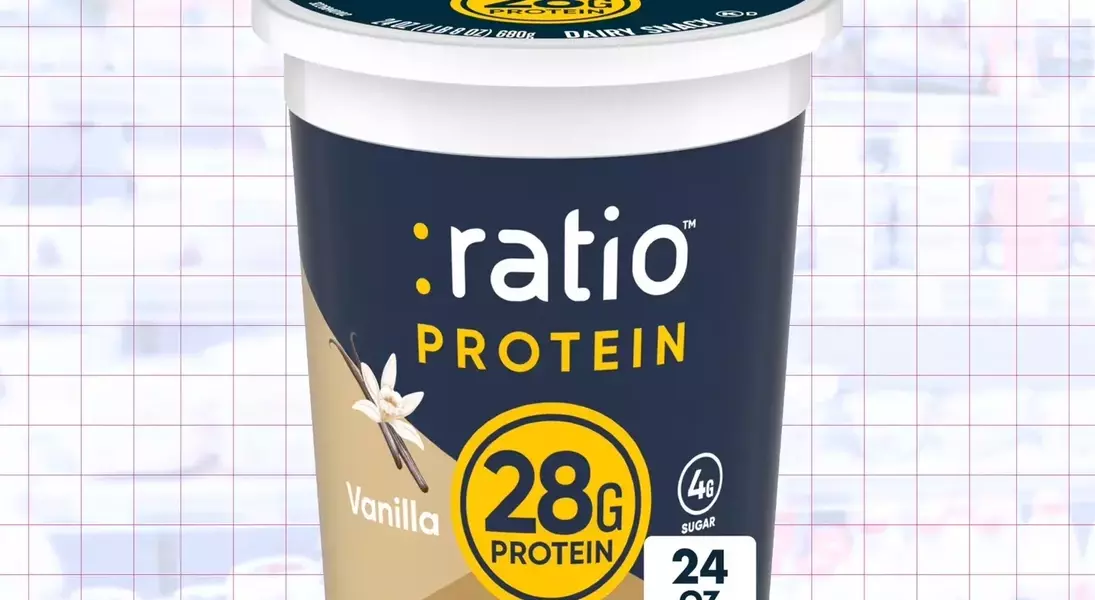
Ratio High Protein Yogurt: Maximizing Your Protein Intake
Jessica Villalvir, M.S., RDN, recommends Ratio High Protein Yogurt for its exceptional protein density, providing a substantial 25 grams in a 5.3-ounce container—more than double that of many other yogurts. This high protein level is achieved through ultra-filtered milk and added whey protein concentrate. It's also a low-sugar option, containing just 3 grams of sugar per container, significantly less than most flavored yogurts. However, it does use sucralose, an artificial sweetener, which some consumers prefer to avoid.
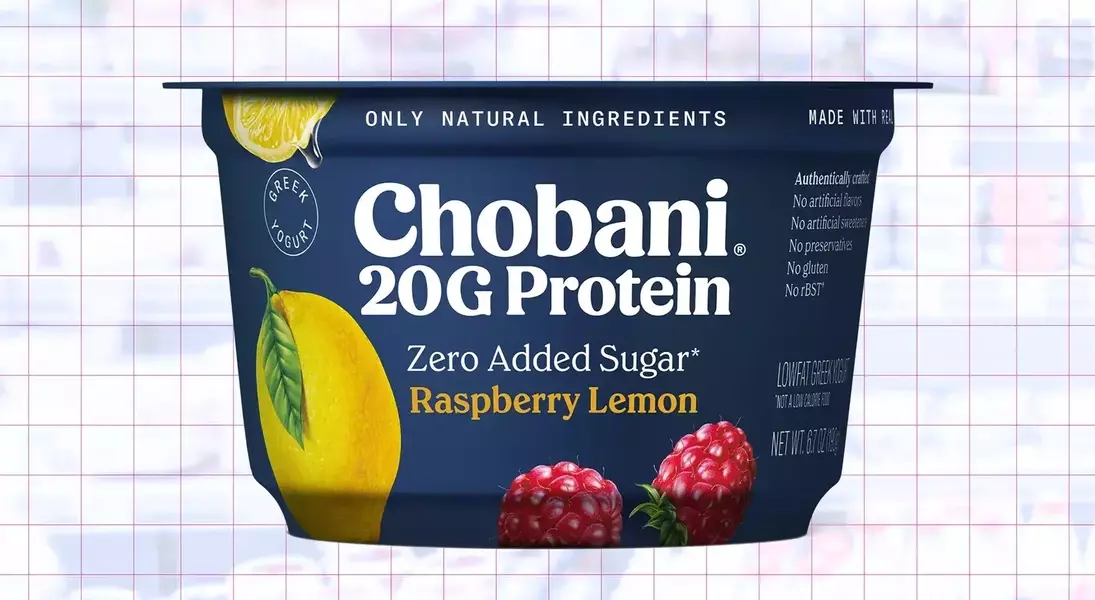
Chobani High Protein Greek Yogurt: Natural Goodness, High Protein
Mia Syn, M.S., RD, praises Chobani High Protein Greek Yogurt as a nutritious choice, being lactose-free, containing no added sugar, and made with real fruit and natural ingredients. Each 6.7-ounce container delivers 20 grams of protein, exclusively from cultured low-fat milk, making it ideal for those who prefer to steer clear of added protein powders.
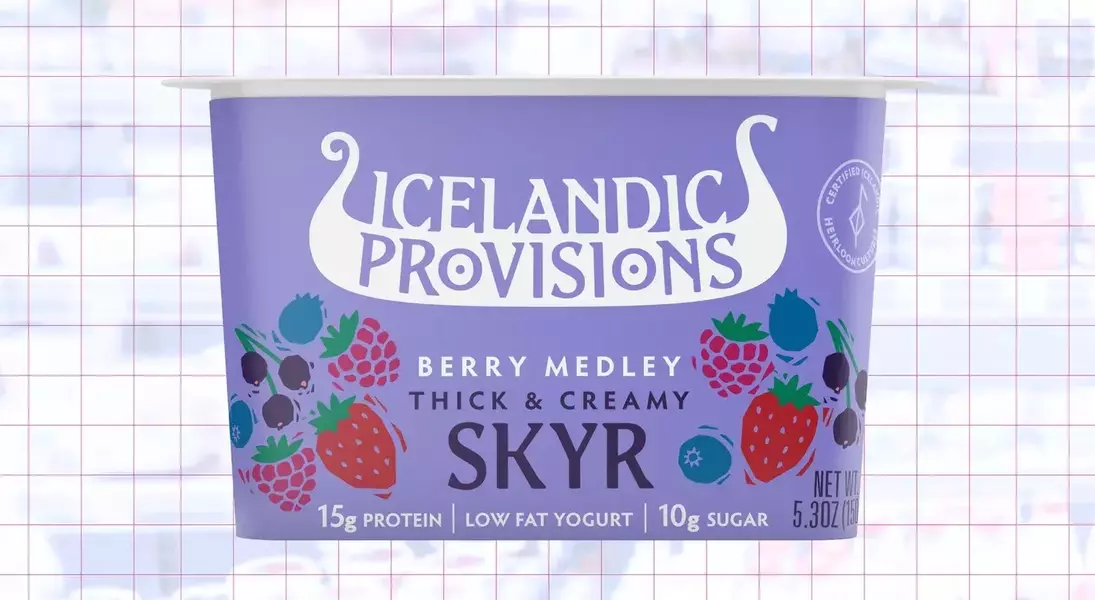
Icelandic Provisions Skyr: Creamy Texture, Rich Protein
Courtney Rayppy, RD, endorses Icelandic Provisions Skyr for its luxurious thick, creamy consistency and high protein content. A 5.3-ounce serving offers 17 grams of protein, derived from low-fat, highly strained cultured milk. This skyr is also available in unique flavors such as key lime, black cherry, and currant, crafted with real fruit and natural flavors rather than artificial ones. Despite having slightly more added sugar (about 6 to 7 grams per serving), it remains a strong choice for individuals seeking natural sweetness over artificial alternatives.
Fage Total 0% Plain Greek Yogurt: Non-Fat, Full Flavor
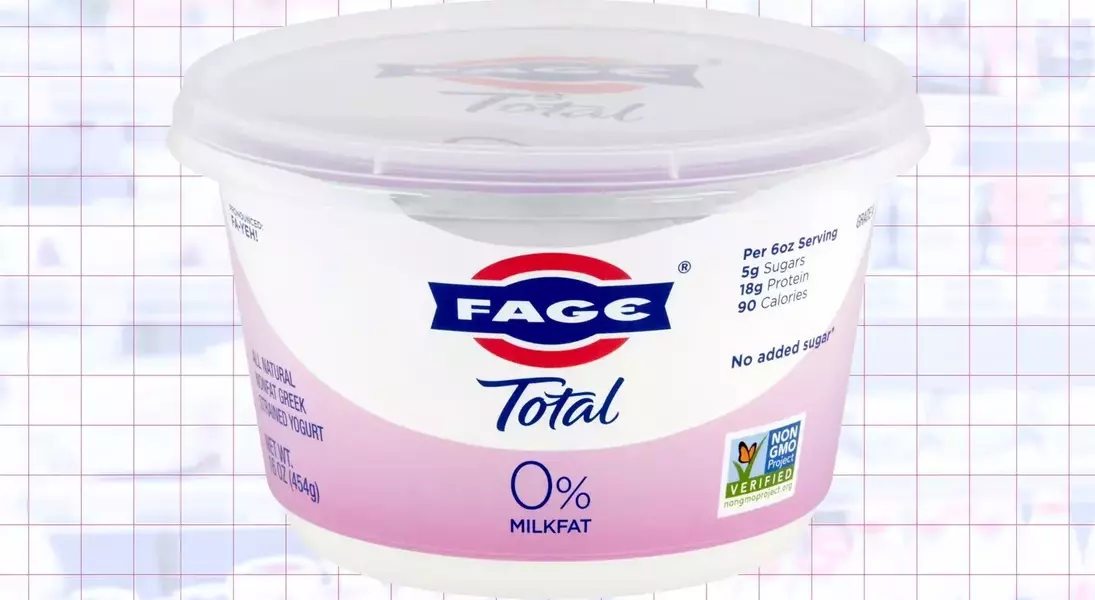
Fage Total 0% Plain Greek Yogurt stands out for its thick, creamy texture, surprisingly rich for a nonfat product. Vandana Sheth, RDN, CDCES, FAND, notes its excellent protein content, making it perfect with fruit and nuts or as a savory addition with cucumber and herbs. Each 5.3-ounce serving provides 16 grams of protein with zero added sugar and includes live active cultures to support a healthy gut microbiome.
Siggi’s Simple Ingredient Skyr: Pure and Potent Protein
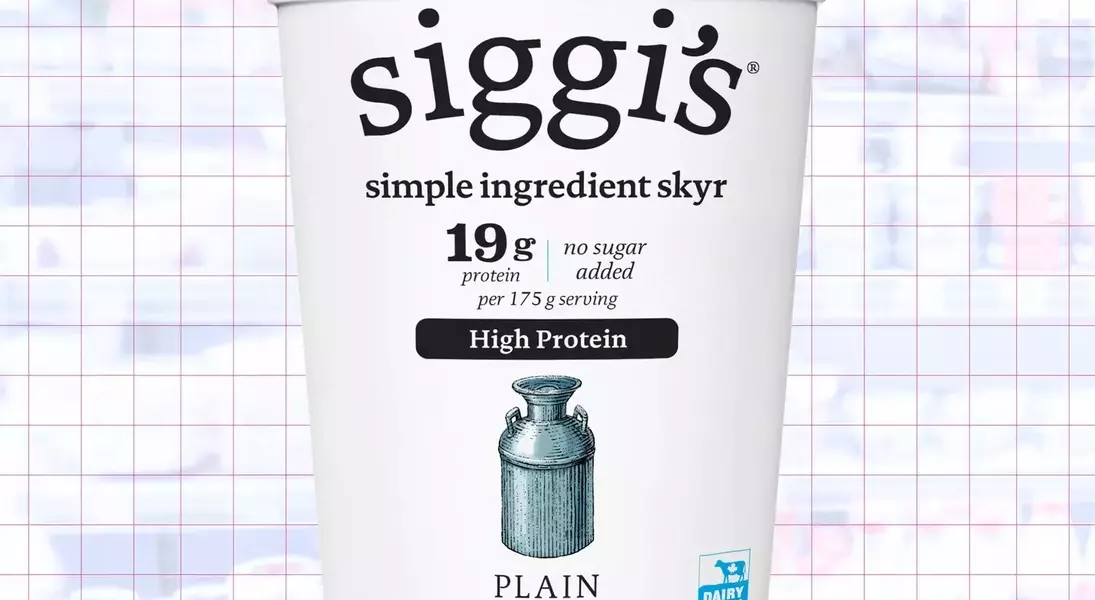
Siggi’s Simple Ingredient Skyr is a notable option, offering 16 grams of protein in a 5.3-ounce cup. Amy Woodman, RD, recommends it for its minimalist ingredient list and availability in nonfat, low-fat, and whole-milk varieties. Made solely with cultured milk and live active cultures, it’s an excellent choice for those who prefer their yogurt as uncomplicated as possible.
Oikos Triple Zero Blended Plain Greek Yogurt: Light, Versatile Protein
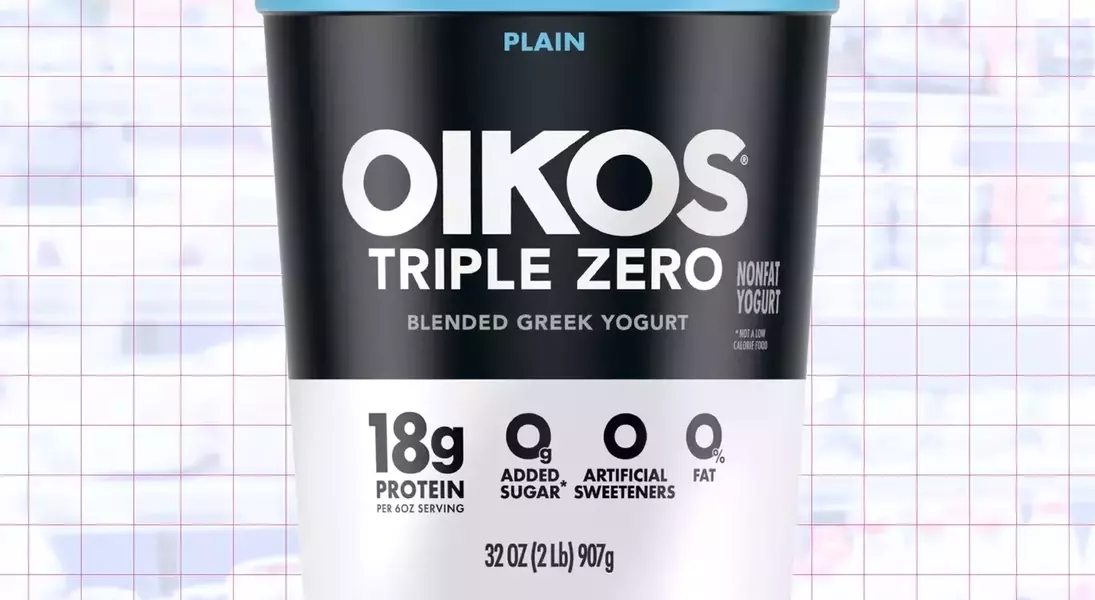
Oikos Triple Zero, made from cultured nonfat milk and live active cultures, provides an impressive 15 grams of protein in a 5.3-ounce serving, all for just 90 calories. It’s delicious on its own and serves as a lighter alternative to sour cream in various dishes like tacos, chili, and baked potatoes. It also easily enhances smoothies and oatmeal with an extra protein boost.
Kite Hill Greek-Style Plant-Based Yogurt: Dairy-Free Protein Power
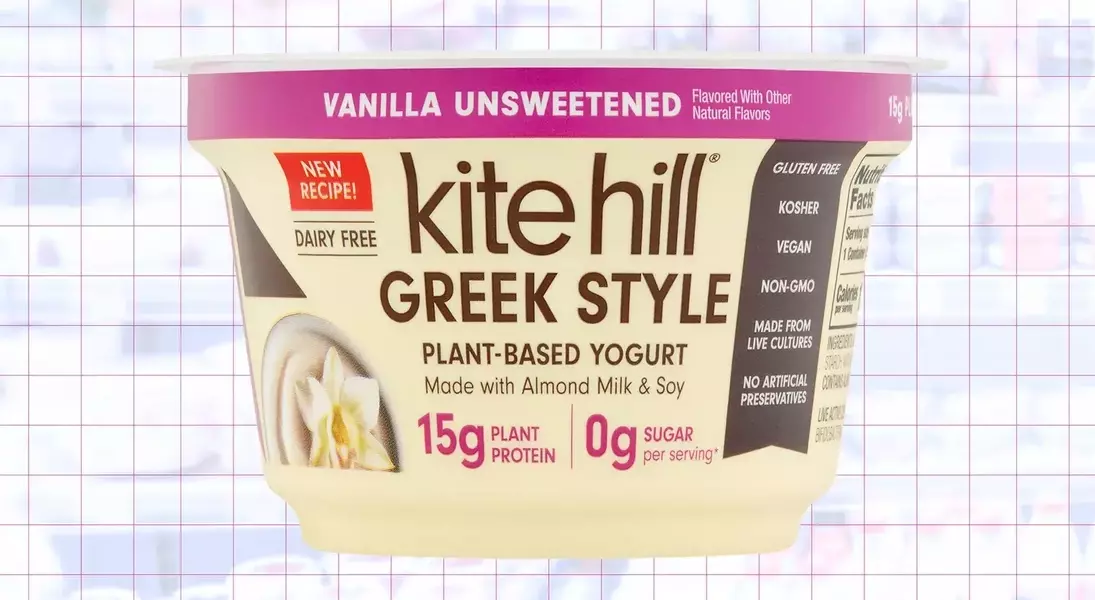
Kite Hill Greek-Style Plant-Based Yogurt challenges the common perception that plant-based yogurts are low in protein and high in sugar. Crafted from almond milk and soy protein isolate, it delivers 15 grams of plant-based protein per 5.3-ounce serving and is free of added sugars, using stevia for sweetness. Avery Zenker, RD, M.A.N., points out that while it may lack some dairy yogurt nutrients like calcium, vitamin D, and B12, it provides moderate amounts of iron and fiber. Available in five flavors, it offers a diverse range for plant-based diets.
Too Good & Co. Fruit on the Bottom: Sweetened Naturally, Protein-Rich
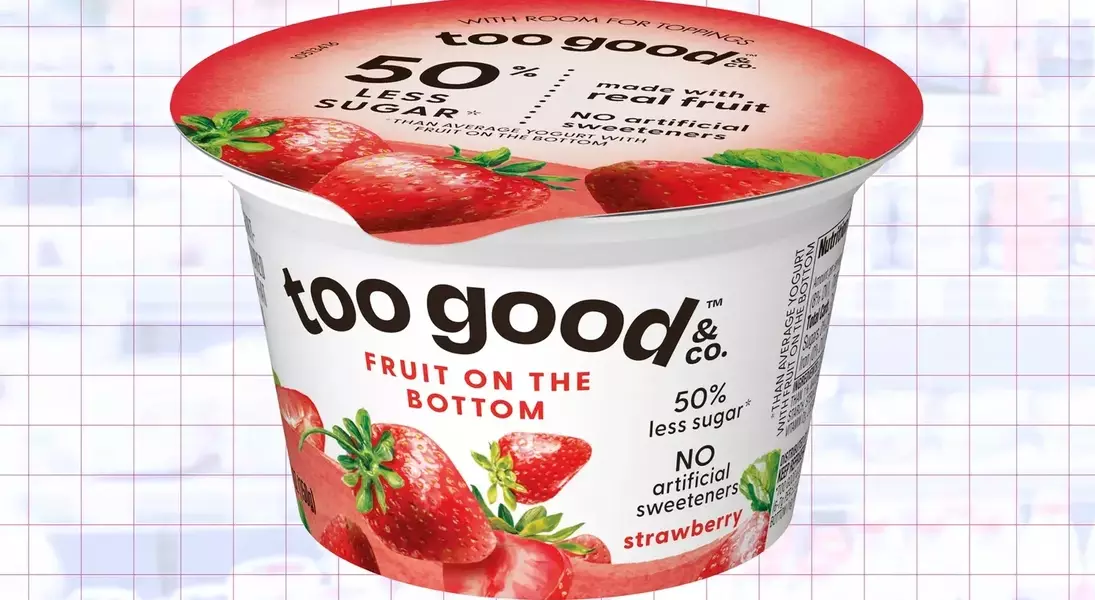
Too Good & Co. Fruit on the Bottom is a dietitian favorite due to its high protein content and real fruit. Each 5.3-ounce serving contains 13 grams of protein and no added sugar, being naturally sweetened with stevia. Dietitians appreciate the inclusion of fruit at the bottom, offering various flavors from strawberry to blueberry lemon, making it a delicious option for all tastes.
Light + Fit Greek Yogurt: Indulgent Flavors, Lean Protein
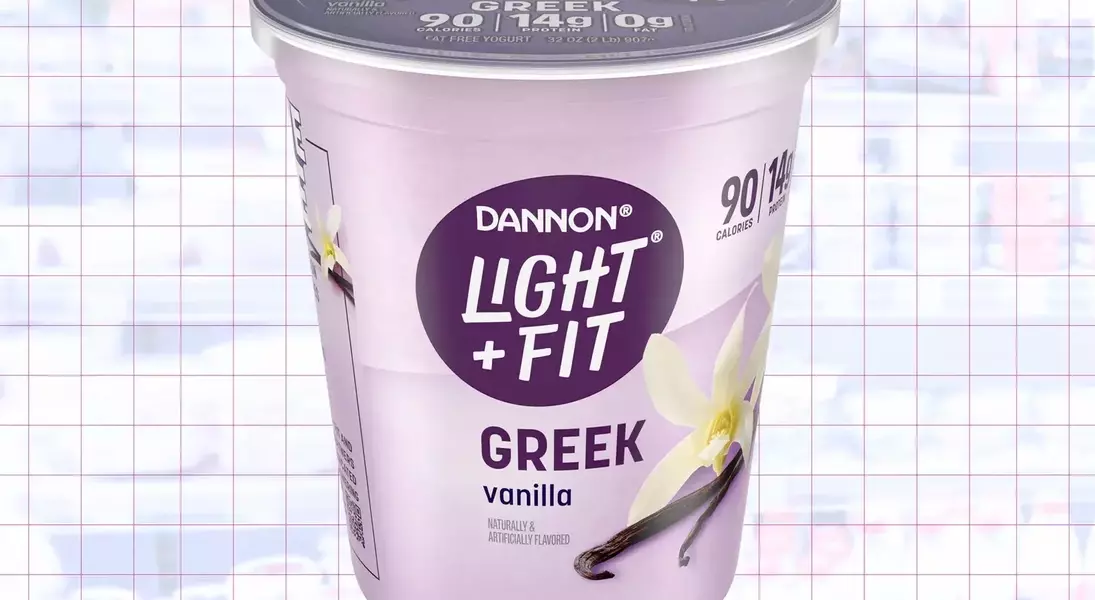
Light + Fit Greek Yogurt offers a broad selection of decadent flavors, including pumpkin pie, raspberry chocolate, and tiramisu, to satisfy sweet cravings. Each 5.3-ounce cup delivers 12 grams of protein for a mere 80 calories, making it a guilt-free, high-protein, and low-calorie indulgence.
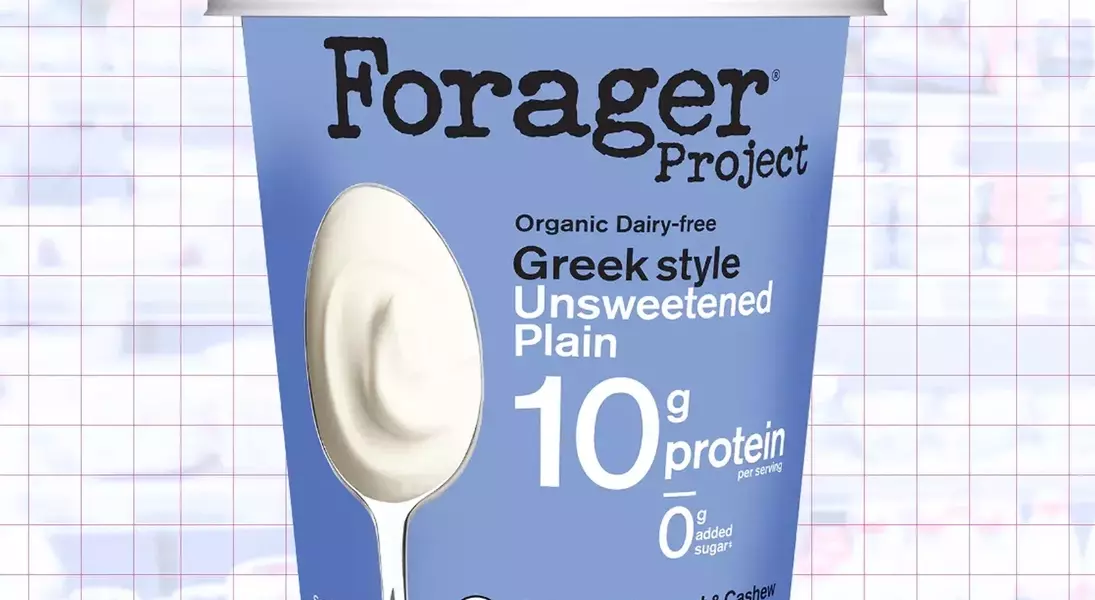
Forager Project Dairy-Free Greek-Style Yogurt: Cashew and Rice Protein Blend
Forager Project Dairy-Free Greek-Style Yogurt contains 10 grams of protein per 5.3-ounce serving, derived from cashews and rice protein. Coconut milk is also included to provide a rich, creamy texture. Sheth commends this plant-based option for its high protein and tangy flavor, reminiscent of traditional strained Greek-style yogurt.
Choosing Wisely: What to Look for in a Protein-Rich Yogurt
When selecting a protein-rich yogurt, several factors are important to consider for maximizing health benefits. First, for optimal gut health support, ensure the yogurt contains "live and active cultures," which indicates a minimum of 10 million CFUs of viable bacteria per gram at manufacturing and at least 1 million CFUs per gram by the best-by date. This ensures the beneficial bacteria are still effective when consumed. Second, pay close attention to sugar content; some yogurts can have up to 20 grams of sugar per serving. Opt for products labeled "0 grams of added sugar" or those with 3 grams or less per serving to minimize sugar intake. Third, consider the fat content. While fat can enhance satisfaction and flavor, it also increases calorie count. Choose a fat level—nonfat, low-fat, or full-fat—that aligns with your dietary preferences and health objectives. Finally, to ensure adequate protein for satiety and muscle repair, dietitians recommend selecting yogurts that provide at least 10 grams of protein per serving. These guidelines help in making an informed choice for a nutritious and beneficial yogurt.
Expert Recommendations for Optimal Yogurt Choices
Yogurt presents a tasty and healthy opportunity to increase your protein intake, provided you select wisely. Strained (Greek-style) and skyr yogurts naturally offer higher protein content. Other yogurts may achieve elevated protein levels through ultra-filtered milk or by incorporating whey or plant-based protein. For the healthiest option, nutrition experts advise choosing a yogurt that supplies at least 10 grams of protein, contains live and active cultures, and has minimal added sugars. Making these informed choices can significantly contribute to your dietary goals and overall health.
