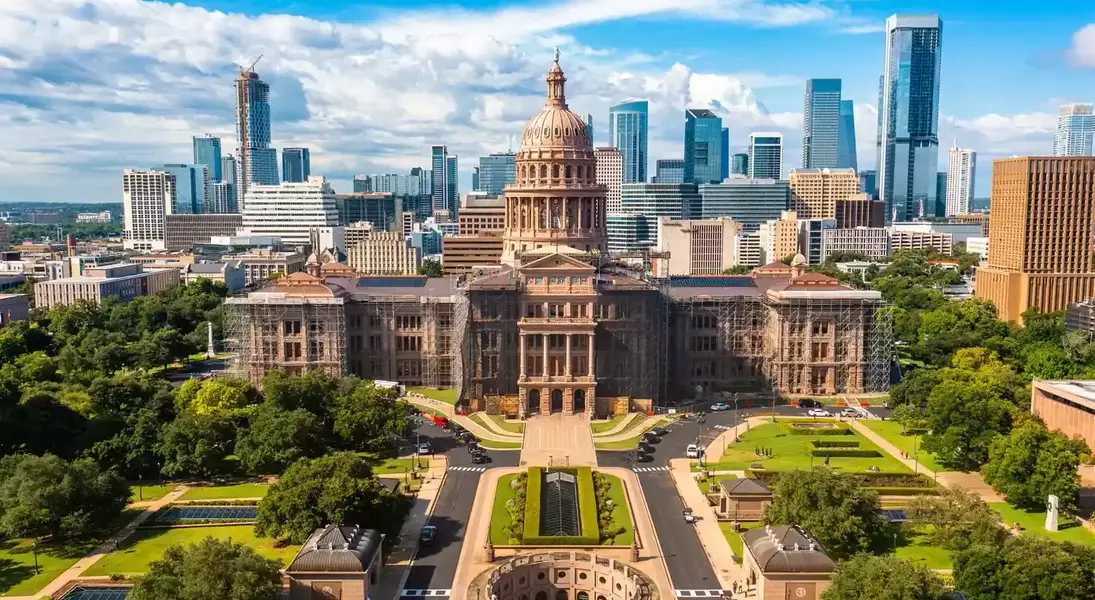
In most urban environments, the pace of economic expansion, salary increases, and housing market dynamics often varies significantly. However, a select group of metropolitan areas has managed to achieve a more harmonious balance across these critical factors, presenting unique opportunities for younger generations.
This examination delves into these top cities, revealing how a combination of robust job creation, competitive incomes, and accessible housing can create an appealing environment for career and lifestyle progression. These findings emphasize that while perfect equilibrium remains elusive, strategic development and responsive housing policies can significantly mitigate financial pressures, allowing individuals greater flexibility in their long-term planning.
Cities Striking a Balance: Growth and Affordability
A recent study highlights several U.S. metropolitan areas where the interplay between job growth, wage increases, and housing affordability is notably positive. These cities, often mid-sized and rapidly expanding, demonstrate how a healthy job market coupled with a responsive housing supply can create an attractive environment for young professionals and families. The seamless integration of these factors means that residents can pursue career advancement without being unduly burdened by escalating living costs, fostering a more sustainable economic landscape.
Specifically, the analysis points to cities like Austin, Texas; Phoenix, Arizona; Boise City, Idaho; and Jacksonville, Florida, as examples of robust job hubs where new housing construction has kept pace with demand, preventing runaway housing inflation. In parallel, balanced growth markets such as Raleigh, North Carolina; Charlotte, North Carolina; and Nashville, Tennessee, showcase steady wage growth and manageable housing expenses, building solid economic foundations. Furthermore, Denver, Colorado, and Sacramento, California, are recognized as income and housing catch-up cities, where rising incomes and expanded housing options are actively alleviating affordability pressures. These metros collectively illustrate that strategic development and thoughtful housing policies can lead to a more balanced and appealing urban living experience.
The Underlying Dynamics of Millennial-Friendly Cities
The success of these millennial-friendly metropolitan areas is not accidental but stems from a consistent pattern of development and demographic shifts. Predominantly, these cities are characterized by their mid-sized nature and rapid growth, distinguishing them from larger, more established urban centers. This characteristic allows for job market expansion that doesn't immediately translate into unsustainable pressure on the housing market, a common challenge in dense, older cities. The ability to incrementally increase housing stock in response to population influx prevents sharp spikes in prices, thereby maintaining a degree of affordability crucial for attracting and retaining a young workforce.
Moreover, many of these successful urban centers are located in the Sun Belt region of the U.S., a trend that reflects not just migration but also the alignment of favorable economic indicators. A critical element binding these factors is proactive housing policy and construction activity. Cities that have permitted and executed more new building projects are better equipped to accommodate population growth without experiencing an uncontrolled surge in housing costs. While achieving perfect economic balance is an ongoing challenge for any market, these cities have demonstrated a superior capacity to manage the intricate relationship between job creation, wage progression, and housing accessibility, providing a blueprint for sustainable urban development.
