The electric pickup truck market is still in its early stages, with companies gathering data on sales and market penetration. From 2024 through the third quarter of 2026, a total of 232,809 electric pickups from six different models have been sold. This figure, while significant for a nascent sector, remains a small portion compared to traditional gasoline-powered trucks. For instance, Ford's F-series alone sold 801,525 units in 2025. This article delves into the sales performance of leading electric pickup models and the broader trends shaping their adoption.
The Ascent of Electric Pickups: Early Market Leaders
The electric pickup truck segment, though relatively new, has seen a few models emerge as frontrunners in sales. Examining the period from 2024 through the third quarter of 2026, the Tesla Cybertruck, despite its unconventional aesthetics and initial production hurdles, has secured a significant market share. Ford's F-150 Lightning, leveraging its strong brand recognition and similarities to its conventional counterpart, also achieved substantial sales before its discontinuation. These early successes highlight the potential for electric vehicles to disrupt the traditional pickup market, even as they face challenges in broader adoption.
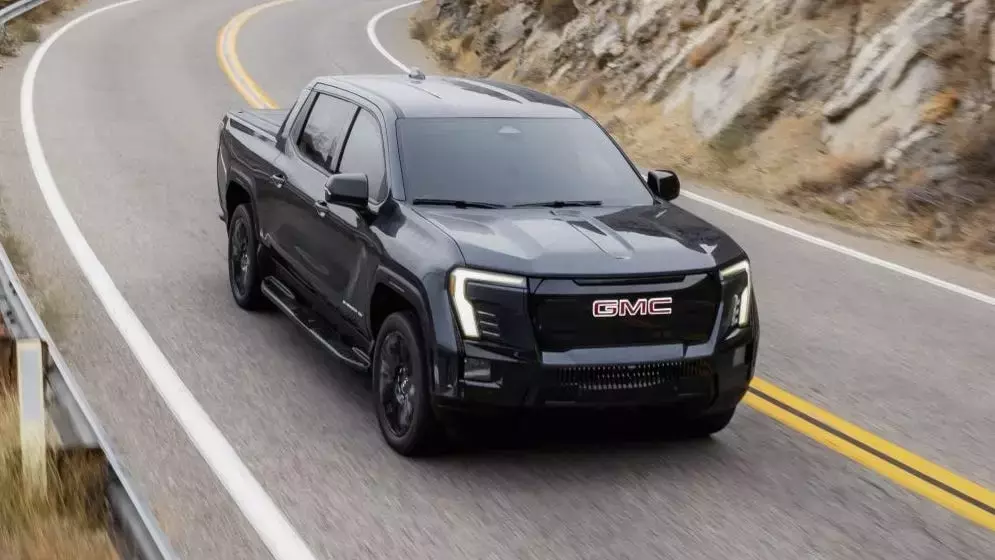
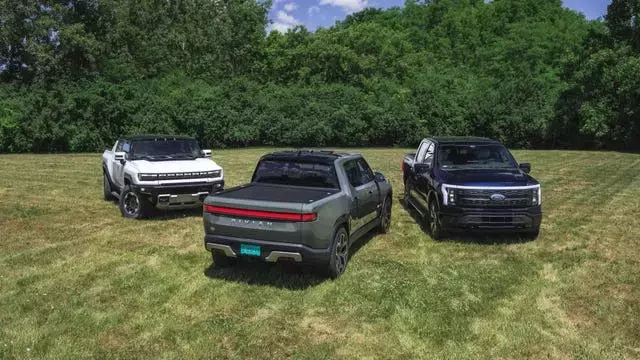
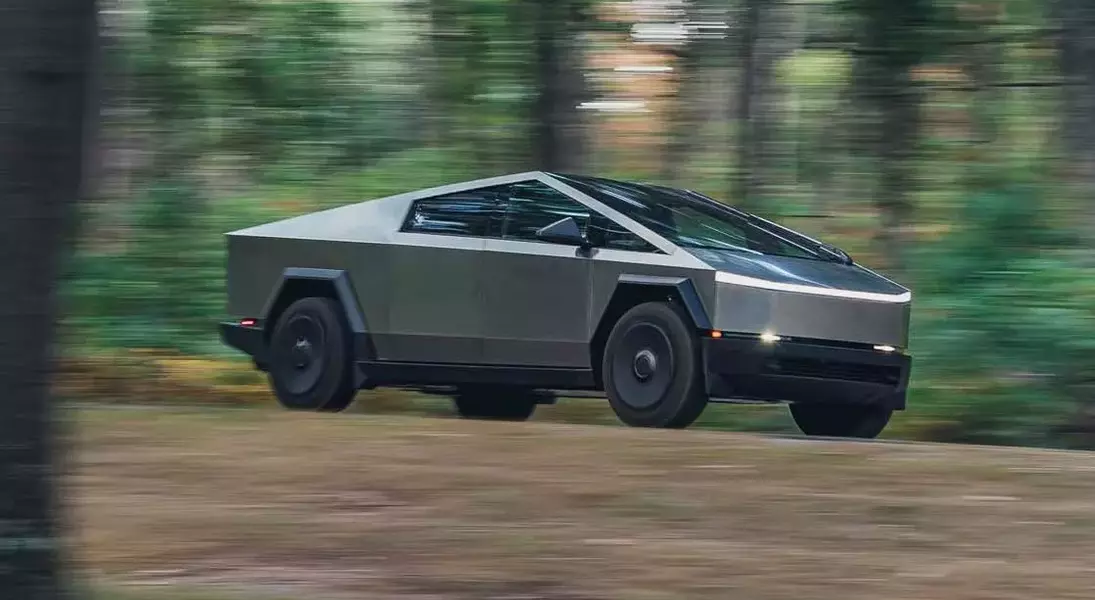
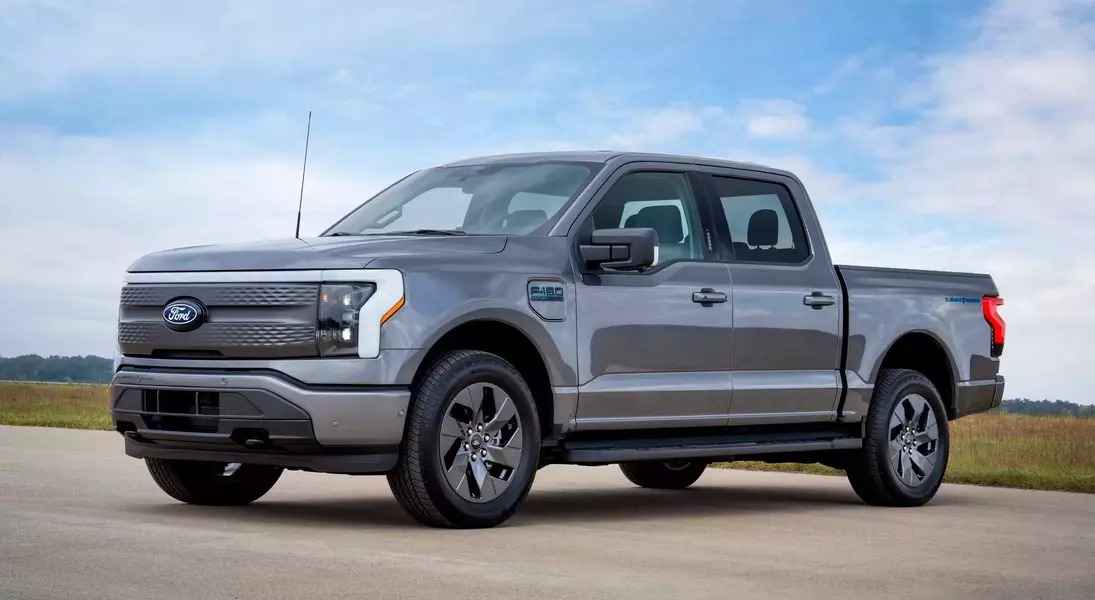
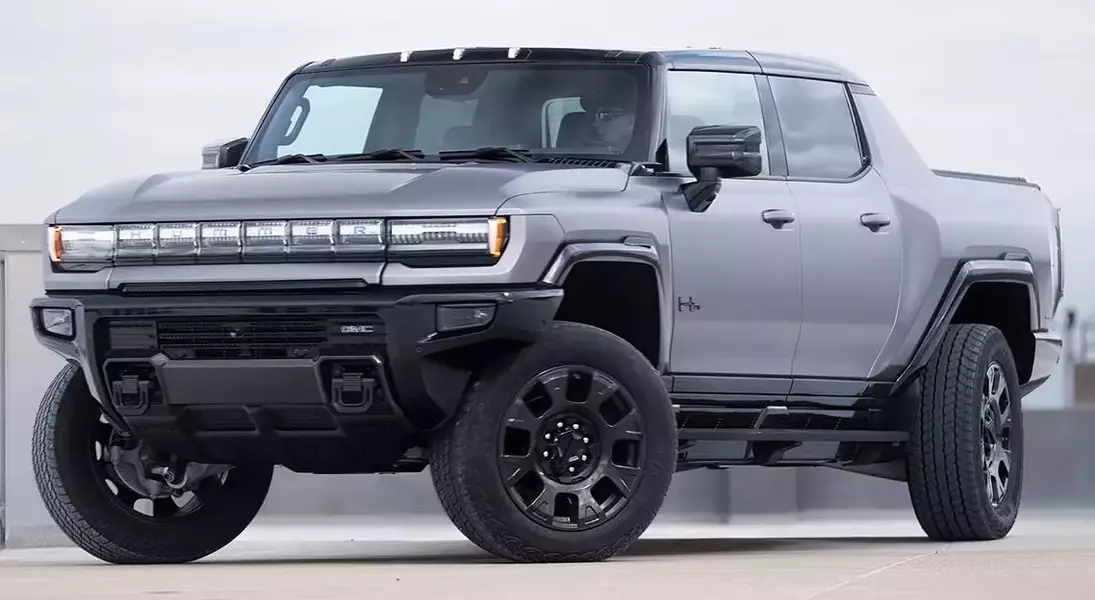
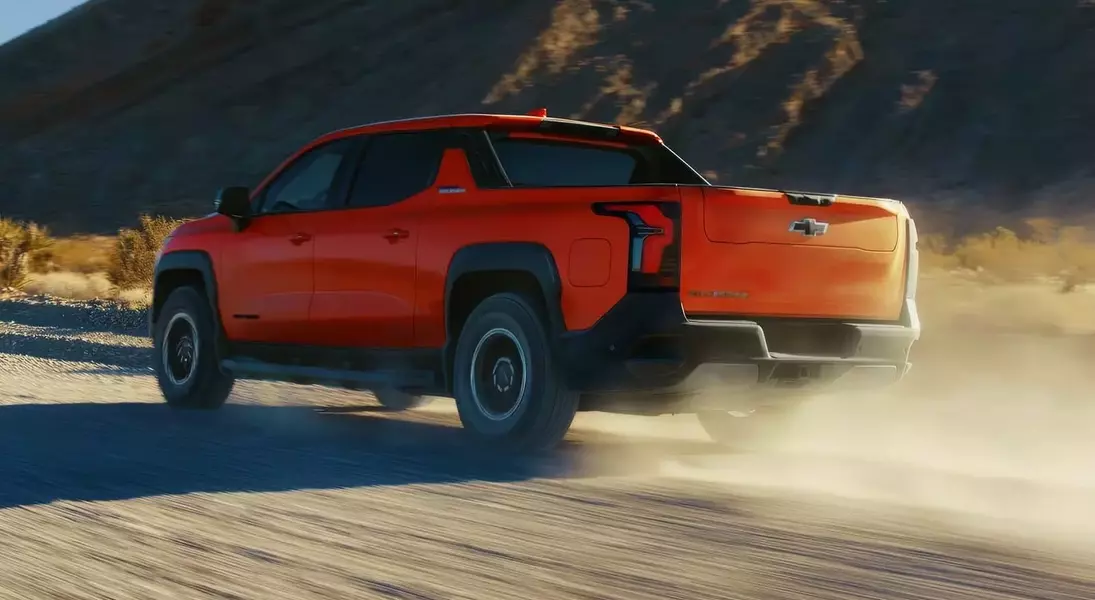
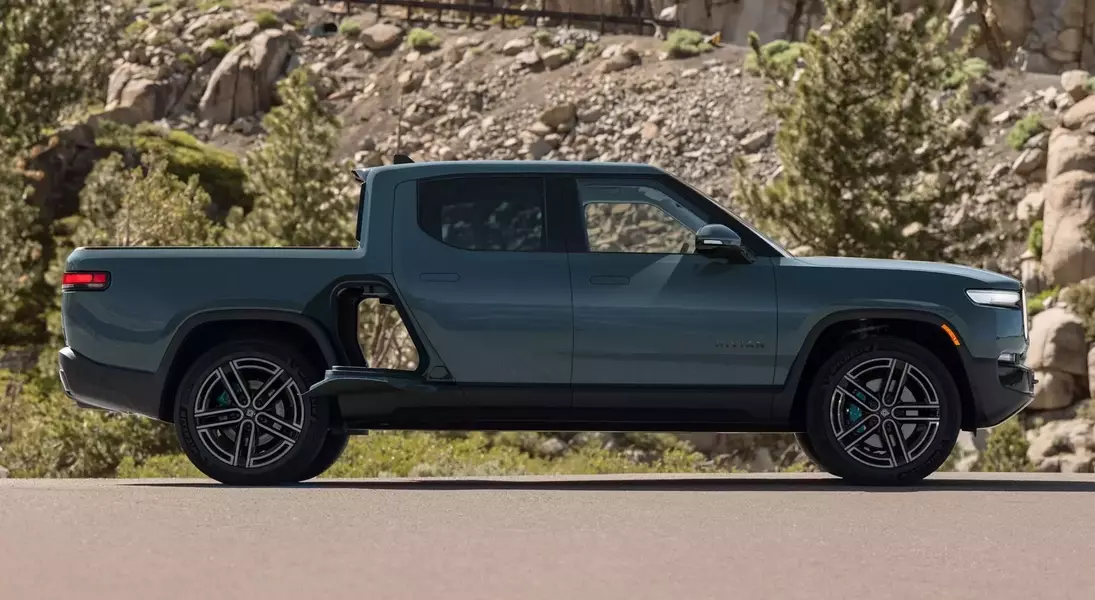
The Tesla Cybertruck, introduced in 2024, quickly became a prominent player, selling 70,788 units. Its distinctive design attracted early adopters, with 38,965 units sold in its inaugural year. However, sales saw a decline in subsequent years, reaching approximately 20,000 in 2025 and an estimated 11,586 by the third quarter of 2026. The Ford F-150 Lightning, an early entrant in the electric truck space, recorded 65,587 units sold. Despite being discontinued in 2025, its sales reflected a strategy of offering an electric alternative to a best-selling model. The GMC Hummer EV, known for its bold design and powerful performance, sold 34,805 units, a figure that includes both pickup and SUV body styles. Chevrolet's Silverado EV had a slower start with 24,030 units, showing a surge in 2025 due to lower-cost variants for fleets but a subsequent drop in 2026. The Rivian R1T, an innovative offering from a startup, sold 23,110 units, targeting lifestyle buyers with its unique features. Lastly, the GMC Sierra EV, sharing a platform with the Silverado EV, achieved 14,489 sales, positioned as a more upscale yet conventional option, mirroring the Silverado's sales pattern with an initial slow start, a rise, and then a drop in subsequent years.
Navigating Market Dynamics: Sales Trends and Challenges
The electric pickup truck market is currently a niche, accounting for a modest share of the overall truck sales. Data from 2024 to Q3 2026 reveals a combined total of 232,809 units sold across the top six models, which pales in comparison to the 801,525 units of Ford's F-series alone in 2025. This disparity underscores the significant gap that electric pickups still need to bridge to achieve mainstream adoption. The absence of electric pickups from the top-selling EVs list for 2026, which is dominated by SUVs, further emphasizes the unique challenges and opportunities within this specific vehicle category.
Several factors contribute to the current market dynamics for electric pickups. The Tesla Cybertruck's sales trajectory, starting strong and then tapering off, suggests that initial demand might have been driven by early adopters and novelty, with long-term sustained growth requiring broader appeal. The discontinuation of the Ford F-150 Lightning indicates potential shifts in manufacturer strategies or market response to specific models. For vehicles like the GMC Hummer EV, combining sales figures for different body styles can obscure the true performance of the pickup variant, making it challenging to assess its individual market impact accurately. The slower uptake of the Chevrolet Silverado EV and the Rivian R1T, with their fluctuating sales, highlights the sensitivity of this market to factors like pricing, variants, and consumer perception of innovative features. As manufacturers continue to refine their offerings and address concerns such as range anxiety, charging infrastructure, and vehicle cost, the electric pickup market is expected to evolve, potentially seeing new strategies to attract a wider consumer base beyond early adopters and specialized niches.
