
For Americans envisioning a comfortable and fulfilling retirement, South America presents compelling opportunities. A growing number of individuals are exploring overseas options, driven by escalating domestic costs and a desire for new experiences. The continent offers diverse cities that blend affordability with appealing amenities, from consistent mild weather and accessible healthcare to rich cultural landscapes and thriving expat communities. This overview highlights five such cities, each providing a unique setting for a tranquil and cost-effective retirement, while also outlining crucial considerations for a seamless transition.
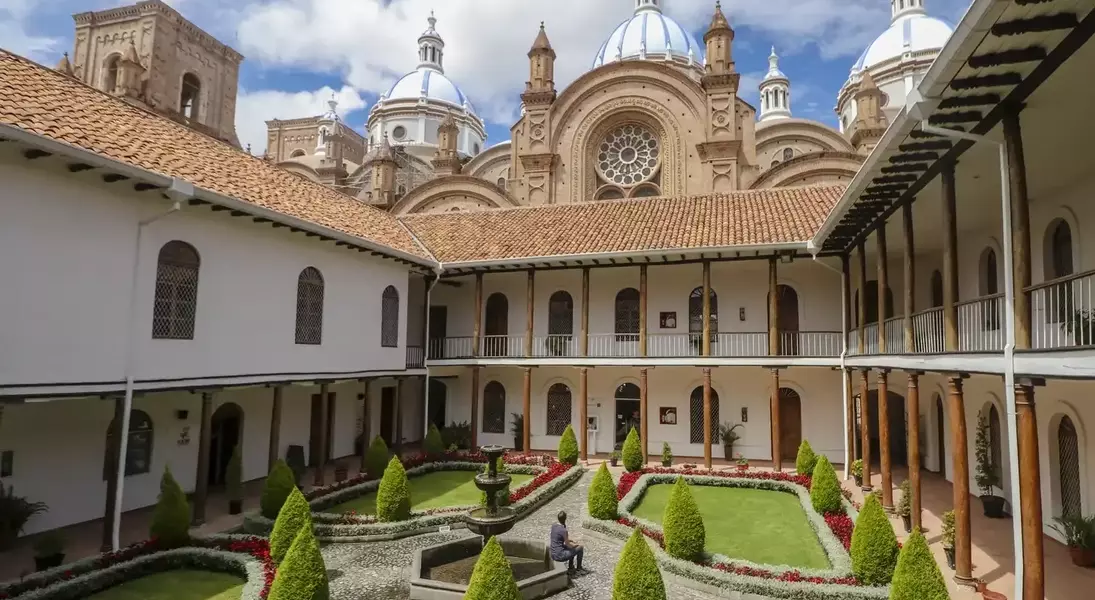
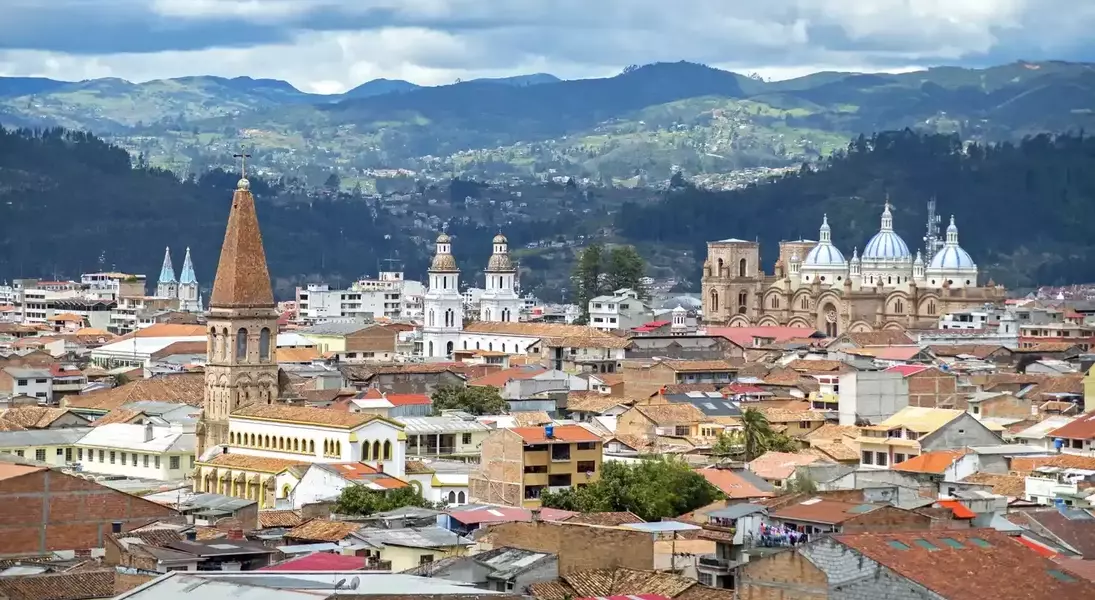
Cuenca, Ecuador, a UNESCO World Heritage Site, is an excellent choice for retirees. Its historic core features charming cobblestone streets, and the city boasts high-quality private healthcare facilities. A significant expat population, estimated between 8,000 and 10,000, ensures a welcoming community. Situated at approximately 8,500 feet above sea level, Cuenca enjoys a perpetual spring-like climate. The country's use of the U.S. dollar eliminates currency exchange fees, and residents aged 65 and over receive substantial discounts on public transport, events, and utilities if they own property. The cost of living is notably low, around 70% less than in the U.S., with a couple able to live comfortably on about $1,835 per month.
Medellín, Colombia, once known for its tumultuous past, has transformed into one of Latin America's most liveable cities. Like Cuenca, it enjoys a year-round spring climate. The city offers an efficient public transit system and affordable private healthcare, with the overall cost of living estimated to be 65% lower than in the U.S. Medellín is famous for its bustling farmers' markets, offering fresh coffee, tropical fruits, and avocados. Its vibrant cultural calendar, earning it the nickname "City of Flowers," includes events like Colombiamoda, the Flower Festival, and the International Jazz Festival. Botero Plaza showcases 23 large bronze sculptures by local artist Fernando Botero, adding to the city's artistic charm.
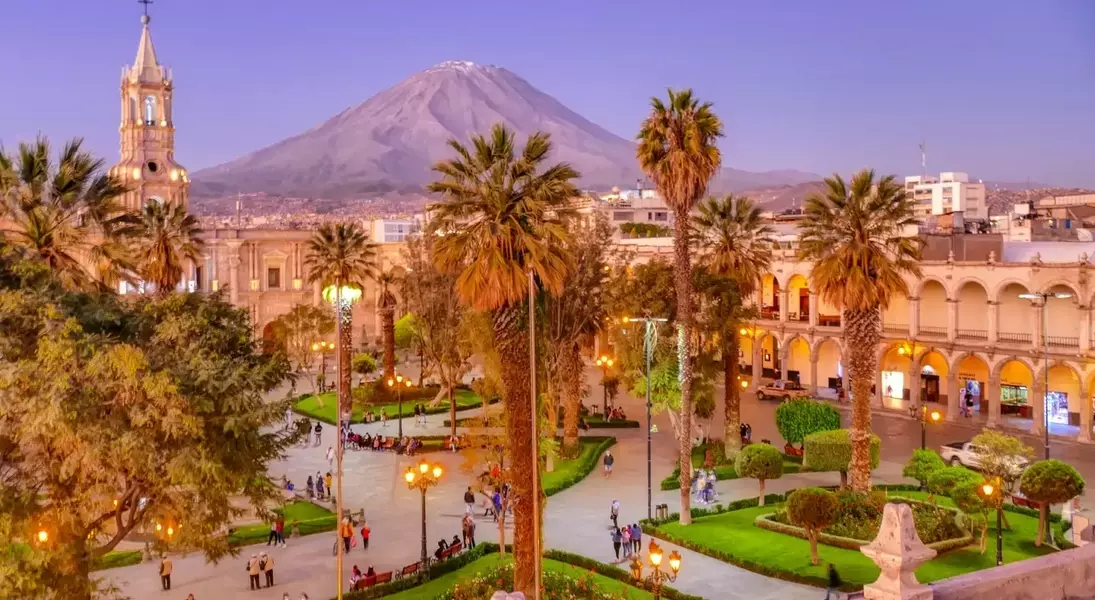
Arequipa, Peru, often referred to as the "White City" due to its distinctive white volcanic stone architecture, offers an even greater cost advantage, with living expenses 75% lower than in the U.S. This UNESCO World Heritage site, nestled in the Andes at 7,660 feet, combines Spanish Baroque and indigenous Andean design in its colonial-era buildings. The city is a culinary delight, having received a UNESCO Creative City designation for Gastronomy, with three-course lunches costing less than $3. A growing expat community benefits from reliable public transportation, internet services, and quality private healthcare. Doctor visits in private clinics typically range from $30 to $60, with more extensive facilities available in Lima.
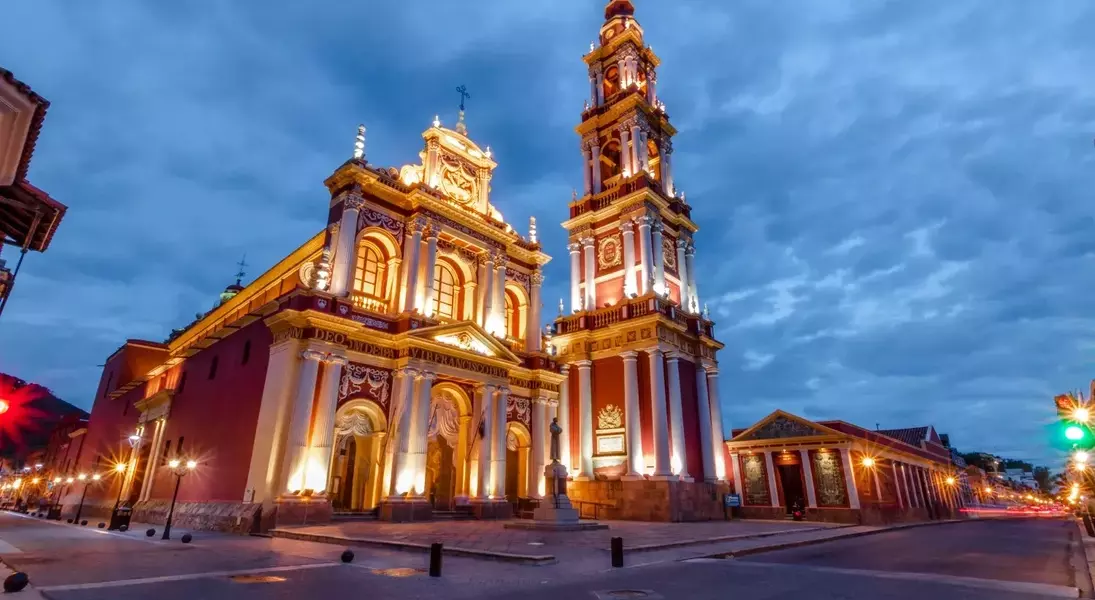
Salta, Argentina, located in the country's northwest, captivates with its preserved colonial architecture, mild climate, and stunning mountain landscapes. Unlike Buenos Aires, Salta maintains strong ties to indigenous traditions, merging Spanish Baroque with Quechua and Andean cultures. The iconic Train to the Clouds, one of the world's highest railways, offers breathtaking journeys into the Andes. Argentina's healthcare system is highly regarded in Latin America, and Salta is particularly affordable; a single person can live on approximately $841 per month, representing a 67% reduction compared to U.S. costs. However, potential residents should be aware of Argentina's economic challenges, including high inflation and currency fluctuations, which can impact purchasing power.
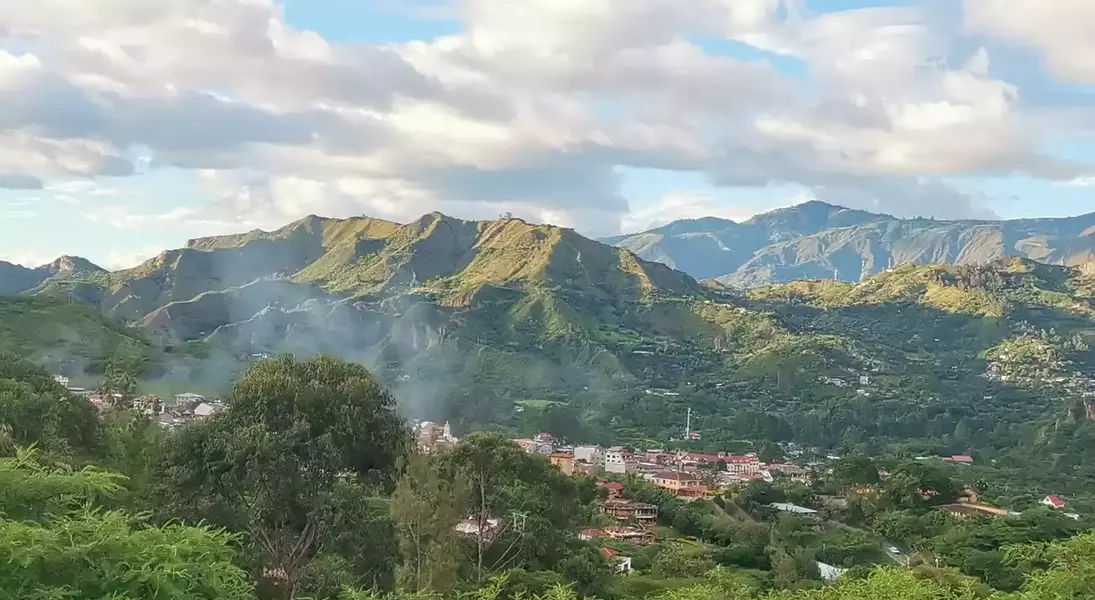
Vilcabamba, a small town in southern Ecuador's Loja Province, is a haven for those seeking a back-to-basics lifestyle. Nestled in a lush Andean valley surrounded by the Mandango Mountains, it has attracted expats interested in yoga, sustainable living, and holistic health. Like other parts of Ecuador, a couple can live here for under $2,000 a month, marking a 70% reduction in living costs compared to the U.S. The town provides access to the expansive Podocarpus National Park, a biodiversity hotspot. While local amenities are more limited than in larger cities, a small hospital handles basic care, and more specialized medical services are available in nearby Loja. Prospective retirees should thoroughly research visa and residency requirements, healthcare options, local tax laws, and language barriers before committing to any of these destinations.
