


Canada offers a compelling destination for retirees, blending affordability with a high quality of life. The country provides accessible healthcare and generally lower living expenses compared to the U.S., particularly in regions outside of its bustling metropolitan areas. While some of the more economical provinces might be less centrally located, they consistently deliver an enriching and comfortable lifestyle.
This article delves into five Canadian provinces that are particularly appealing to retirees, balancing cost-effectiveness with desirable living environments. From the scenic coastal charm of New Brunswick and Prince Edward Island to the diverse landscapes of Saskatchewan and Manitoba, these provinces offer a range of experiences, all while keeping retirement budgets in mind. They stand out as prime locations for those seeking a peaceful and affordable post-career life.
Atlantic Coast Retirement Gems: New Brunswick and Newfoundland
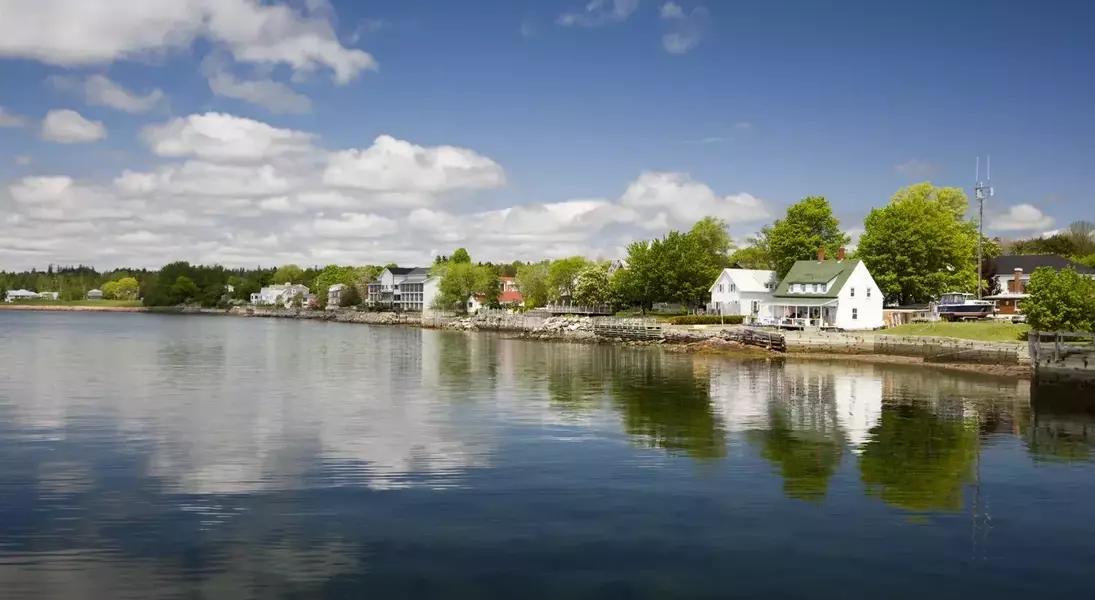
New Brunswick, nestled on Canada's Atlantic coast, emerges as a prime destination for retirees seeking an affordable yet high-quality lifestyle. This province offers a harmonious blend of stunning natural scenery, tranquil environments with minimal traffic, and charming, walkable cities. Retirees can benefit from excellent healthcare services, engaging museums, vibrant festivals, and robust community programs that foster a strong sense of belonging. Despite slightly higher marginal tax rates compared to the U.S., the overall monthly cost of living in New Brunswick is remarkably low, averaging approximately $1,629, which is 18% less than the Canadian average and a significant 35% less than the U.S. average, including housing. The average monthly rent for a single person is around $921, and the average home price stands at an accessible $240,103. Key towns like Saint John, Fredericton, and Moncton offer diverse living experiences within this affordable framework.
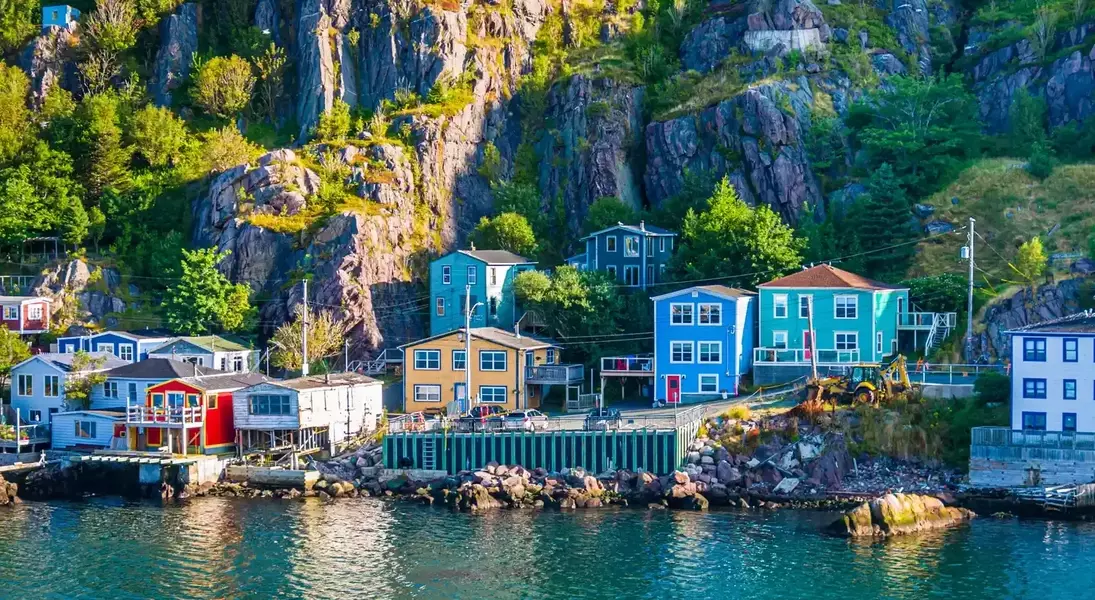
Further north, Newfoundland and Labrador presents another cost-effective retirement haven, particularly for those who appreciate dramatic coastal beauty and a distinct cultural heritage. This province, one of Canada's least populated, is characterized by its breathtaking landscapes, vibrant communities shaped by Scottish and Irish descendants, and a slower, more relaxed pace of life. While winters can be harsh, the prevalence of fireplaces in homes adds to the cozy atmosphere. Summers are pleasant, and residents enjoy surprisingly quick access to Europe, with flights taking about 4.5 hours. The average monthly cost of living here is about $1,738, making it 13.2% cheaper than the Canadian average and 30.1% less than the U.S. For a single person, the average monthly rent is around $893, and homes are available at an average price of $249,055. Popular towns include St. John's, Corner Brook, and Stephenville, each offering unique local flavor within an affordable setting. It is important to note that Canada does not offer a specific retirement visa; prospective retirees typically need to qualify through other immigration pathways.
Central and Eastern Canadian Retreats: Saskatchewan, Manitoba, and Prince Edward Island
For those who prefer an inland retirement, Saskatchewan offers an inviting option with abundant sunshine and pleasant midsize cities. Known for its extensive lakes, forests, and national parks, this province provides ample opportunities for outdoor activities. Its cities boast quality healthcare and cultural attractions, offering a balanced urban-rural lifestyle. While the northern regions can be colder and less populated, the overall cost of living remains attractive, averaging $1,718 per month—about 14% less than the national average and 32% less than the U.S. average. Rent for a single person averages around $930, and the average home price is $272,171. Saskatoon, Regina, and Prince Albert are prominent cities in this region. However, retirees should be aware that Medicare does not cover routine care in Canada, necessitating private insurance initially, and there may be waiting periods for tax-funded healthcare.
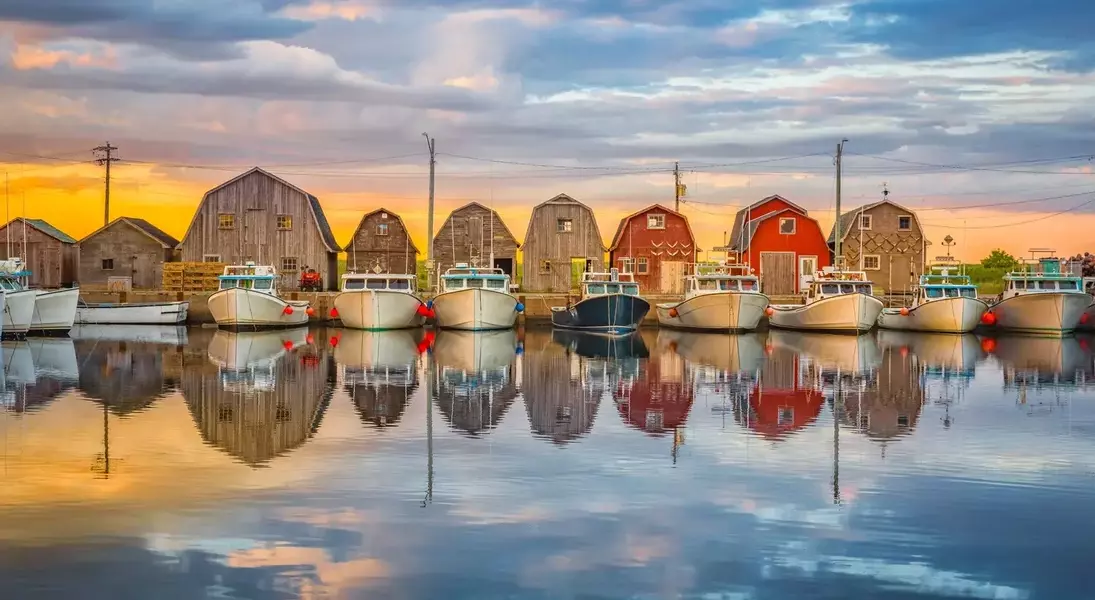
Manitoba, situated between Ontario and Saskatchewan, offers a diverse environment with sea access, numerous lakes, and parks for nature enthusiasts, alongside vibrant cities like Winnipeg, celebrated for its art scene, multicultural cuisine, and festivals. A notable financial benefit is the exceptionally low hydroelectricity costs. The average monthly cost of living is approximately $1,785, which is 11% below the Canadian average and 29% below the U.S. average. Monthly rent for an individual is about $990, and the average home price is $289,494. Despite its appeal, Manitoba experiences harsh winters and higher-than-average property taxes, particularly in Winnipeg. Finally, Prince Edward Island (PEI), Canada's smallest province, captivates with its red sand beaches, lighthouses, fertile farmlands, and a strong community spirit. PEI is renowned for its tranquil coastal lifestyle, fresh seafood, and a lively arts and music scene. It offers temperate winters and pleasant summers, making it a comfortable place to live. The average monthly cost of living is approximately $1,604, making it 20% less than the Canadian average and 36% less than the U.S. average. Rent is around $900 per month, and the average home price is $200,523. While groceries and gas might be pricier, and tax rates slightly higher, towns like Summerside, Souris, and Kensington offer idyllic retirement settings within this charming island.
