Juicers have evolved significantly, shedding their previous reputation for being cumbersome and difficult to clean. Today's market offers a diverse range of efficient models designed to fit various lifestyles and budgets, making fresh juice preparation a convenient and enjoyable activity. We've conducted extensive testing to help you navigate the options and select the ideal juicer for your kitchen.
Transform Your Kitchen: Discover the Perfect Juicer for Every Lifestyle
Revolutionizing Juicing: The Nama J2 Cold Press Stands Out
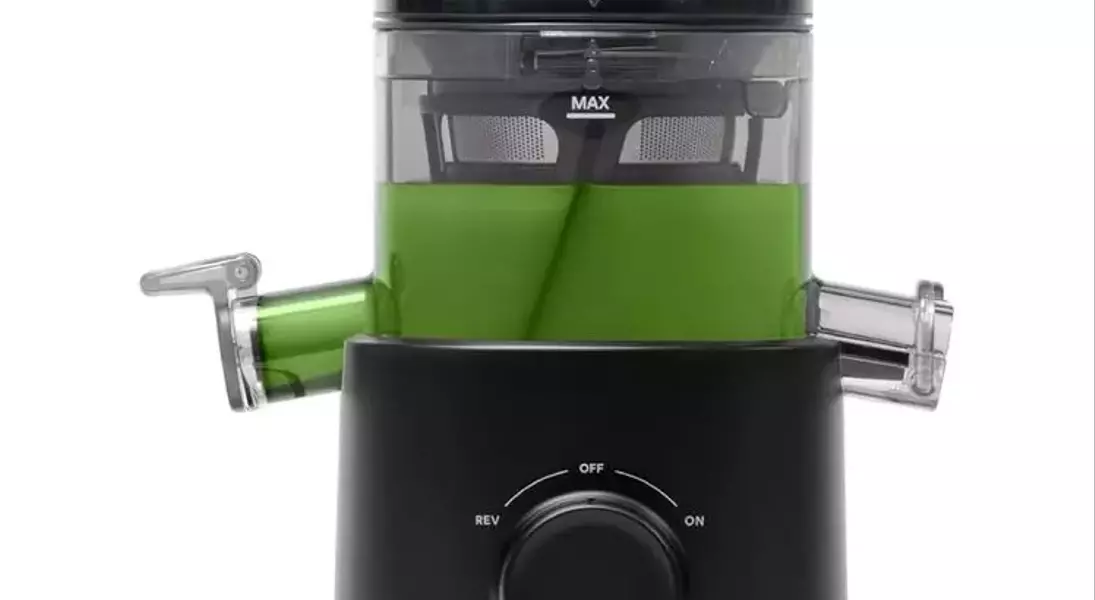
After thorough evaluation of numerous new models, the Nama J2 Cold Press Juicer has once again earned its title as the premier juicer overall. Its notable quiet operation, user-friendly cleaning process, and generous feeding chute set it apart. The Nama J2 consistently produces exceptionally smooth and refreshing juice with high efficiency.
Unmatched Capacity and Quality: Why We Love the Nama J2
The Nama J2's expansive hopper is a game-changer, accommodating large pieces of fruits and vegetables, thereby significantly reducing preparation time. This generous capacity allows for continuous juicing, even enabling a hands-free experience while processing larger quantities. The device also features a secondary opening for adding ingredients on the fly without interrupting the juicing process. The Nama J2 excels in juice extraction, consistently delivering fresh, silky-smooth beverages devoid of pulp or excessive foam, even from fibrous ingredients. Its cleanup is remarkably simple; parts disassemble effortlessly and rinse clean with minimal effort, often not requiring the included brush. A standout feature is its exceptionally quiet operation, effortlessly processing tough produce like ginger and carrots without disruptive noise.
Considering the Investment: The Nama J2's Value Proposition
While the Nama J2 Cold Press carries a premium price tag, its performance justifies the investment for dedicated juicing enthusiasts. For those new to juicing or seeking a more casual option, more budget-friendly alternatives are available. Although technically hand-wash only, the quick and easy cleaning process mitigates this minor inconvenience. Users consistently praise its durability and sustained performance over time, affirming its ability to efficiently process various produce types with minimal intervention.
Navigating Everyday Use: The Nama J2's Long-Term Performance
Despite the general ease of use, cleaning the Nama J2 still involves disassembling several components and some scrubbing in intricate areas. Over time, the stainless steel components may lose some of their original luster due to repeated use. However, the machine's primary function—producing high-quality juice—remains uncompromised, proving its lasting value and robust construction.
Cost-Effective Juicing: The Omega Wide Mouth Vertical Cold Press Juicer
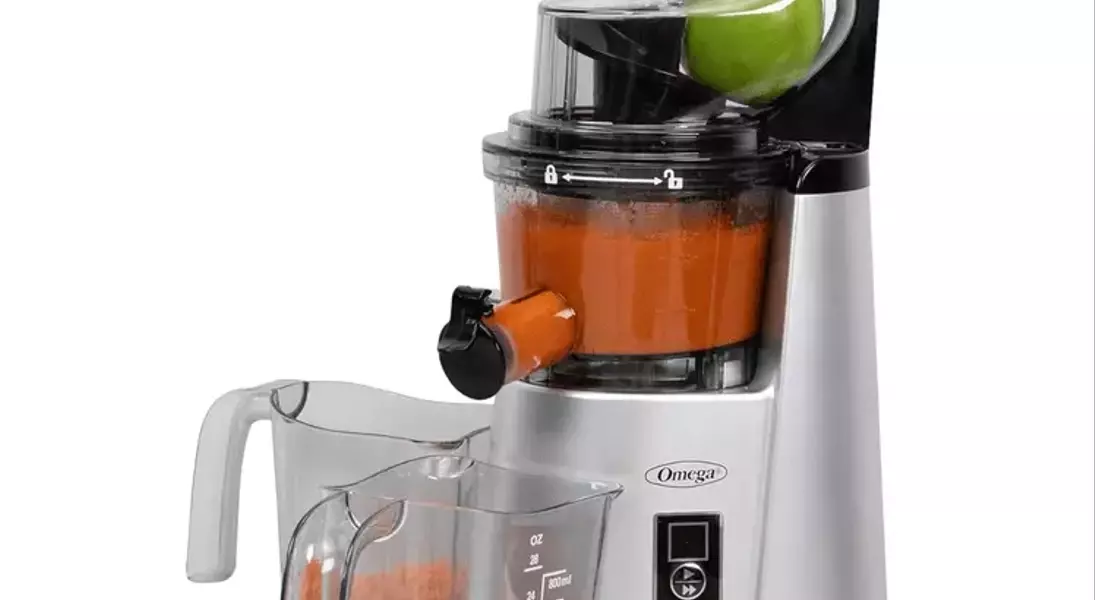
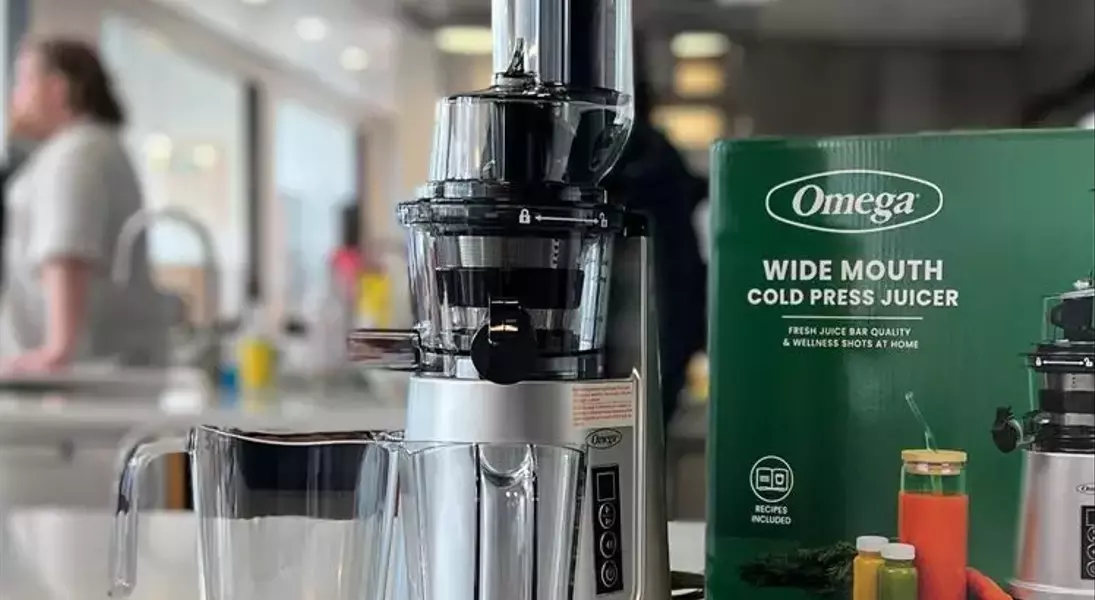
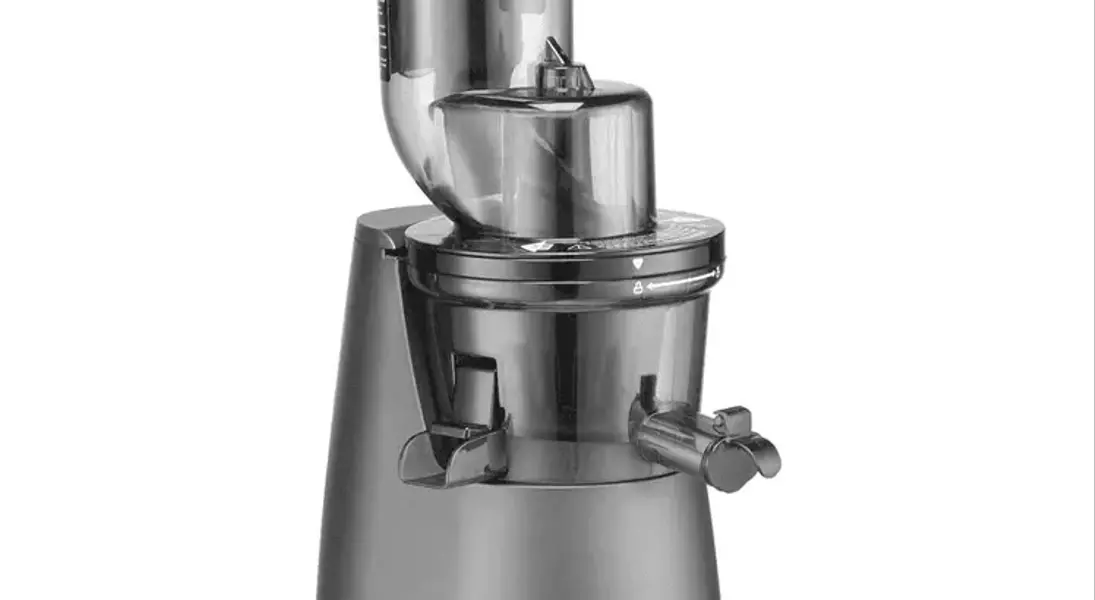
For those mindful of their budget, the Omega Wide Mouth Vertical Cold Press Juicer offers a compact, lightweight, yet powerful solution. Its small footprint makes it ideal for kitchens with limited space, easily storable when not in use.
Efficiency Meets Affordability: Highlights of the Omega Juicer
The Omega is an excellent choice for regular home juicing, even if it requires a bit more manual feeding and cleaning. Its 3-inch wide chute significantly reduces preparation by accommodating larger produce pieces. The machine's two speeds and high-torque motor efficiently process various fruits and vegetables. Despite its lower price, the Omega produces impressive quality juice. While some minor pulp may be present, it can be easily strained for a smoother texture. A notable feature is its "anti-clog reverse" function, which automatically resolves jams, and the motor safely pauses when the lid is opened, allowing for manual intervention. Compared to many models, cleanup is relatively easy, with most parts being dishwasher-safe. Although slightly louder than premium models, it remains significantly quieter than centrifugal juicers.
Understanding the Trade-Offs: What to Note About the Omega Juicer
The vertical feeding mechanism of the Omega requires continuous manual feeding during larger juicing sessions, which some users might find tedious. Initial assembly can be a bit challenging due to the precise alignment required for the auger parts. While most components are dishwasher-safe, the juicing screen and pulp chute often require manual scrubbing, and the long juice spout can be difficult to clean without a dedicated brush.
Space-Saving Power: The Nama J3 Compact Cold Press Juicer
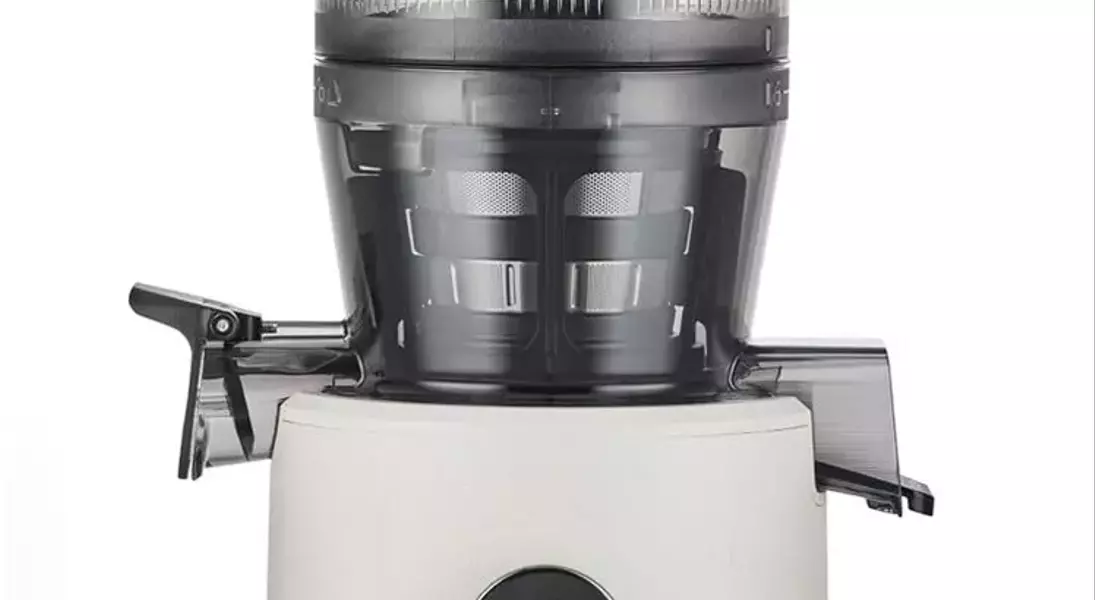
For urban dwellers or those with limited kitchen space, the Nama J3 offers a compact yet powerful alternative. This smaller version of the Nama J2 boasts a slender design, making it a perfect fit for smaller kitchens, though it necessitates a bit more chopping of ingredients due to its reduced hopper size.
Compact Design, Uncompromised Quality: The Nama J3 Experience
The Nama J3 is a miniature powerhouse, delivering the same high-quality juice as its larger counterpart. Our tests showed clean, smooth green juice with minimal sediment and foam, and bright, fresh-tasting orange juice. While its smaller hopper requires produce to be cut into smaller chunks and fed gradually, the J3's motor efficiently handles various ingredients, producing velvety juice without excessive heat. Cleaning is straightforward; parts are easily rinsed by hand, and the pulp chute opens wide for simple fiber removal, often eliminating the need for the cleaning brush.
Addressing Limitations: Challenges with the Nama J3
While excelling with softer produce, the J3 exhibited some difficulty with harder vegetables like carrots, occasionally requiring the reverse function to prevent blockages. Despite its efficiency, the need for more frequent manual intervention with tough ingredients is a minor drawback.
High-Volume Juicing: The Kuvings Hands-Free Slow Juicer AUTO10 Plus
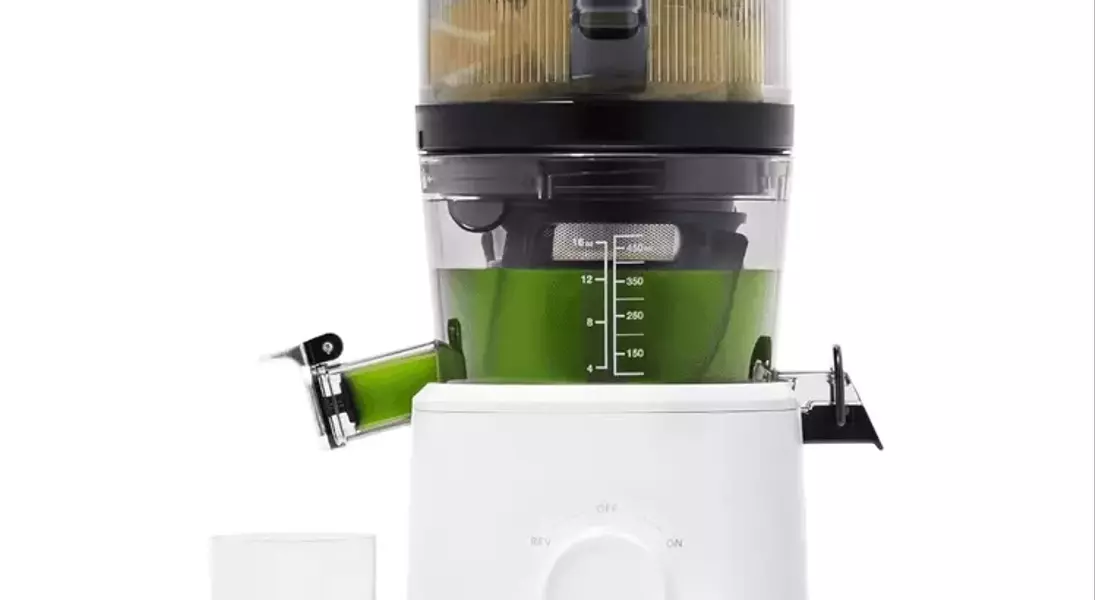
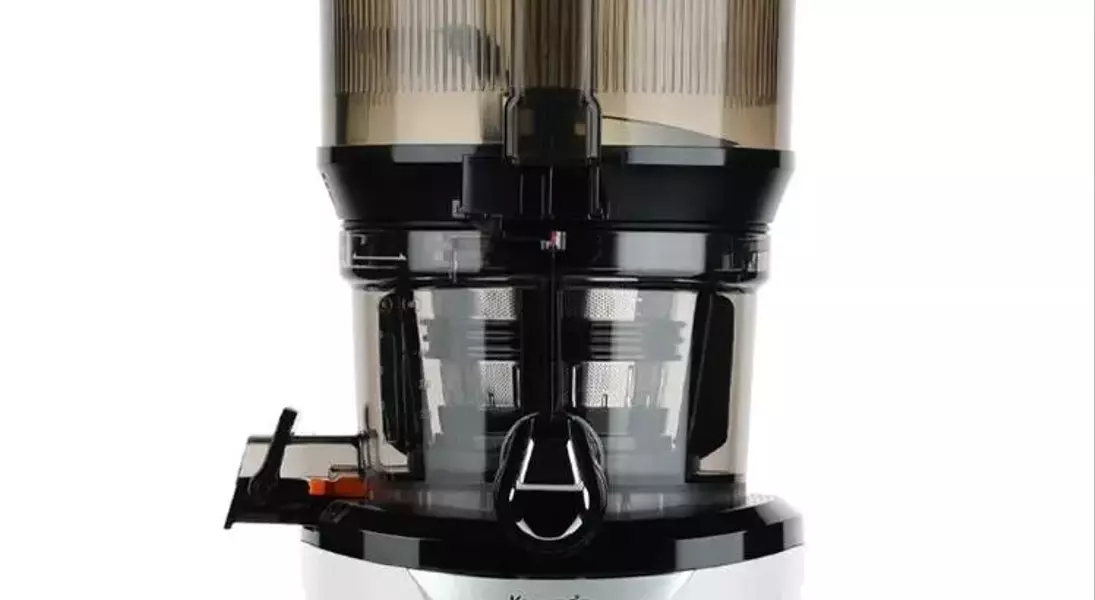
For those with a high demand for juice, the Kuvings AUTO10 Plus is unparalleled. Featuring the market's largest auto-cutting hopper, it can process significant amounts of produce, yielding up to 135 ounces of juice per batch, with capacity for 2 liters in its extension cups. The extension can be removed for smaller-scale juicing.
Effortless Operation and Superior Output: Kuvings AUTO10 Plus Features
This machine offers an almost entirely hands-free juicing experience. Simply load the hopper with various produce and initiate the process. The Kuvings boasts one of the best juice-to-pulp ratios in our evaluations, producing exceptionally smooth and clean-tasting juice thanks to its additional mesh strainer. The vibrant green juice from our tests was nearly pulp-free, with no sediment or foam, and tasted remarkably fresh and crisp. The unit includes a comprehensive set of specialized brushes for thorough cleaning, and its fully opening pulp chute facilitates easy removal of packed fibers.
Considering the Size: Practicalities of the Kuvings AUTO10 Plus
The primary trade-off for the Kuvings' impressive capacity and power is its substantial size and weight, demanding considerable counter or storage space. Its large components also occupy significant room in the sink during cleaning. While cleaning is not inherently more difficult than smaller models, its bulkiness can be a practical hurdle for many users, making the Nama J2 a more versatile choice for average households.
Our Testing Methodology: Ensuring Quality and Performance
Juicing can be a labor-intensive activity, so selecting a high-quality machine is essential. Our testing focused on critical factors: juice yield, foam and sediment levels, ease of use, and overall cleaning convenience.
Performance Metrics: Yield, Foam, and Sediment Analysis
Our yield test involved juicing one pound of carrots and measuring the resulting juice volume and pulp dryness to assess efficiency. Higher juice volume and drier pulp indicated superior yield. We also scrutinized juice quality, penalizing models that produced excessively pulpy or cloudy beverages. For green juice, we used a consistent recipe and monitored pulp dryness, juice volume, and foam. Citrus tests involved peeled oranges to evaluate pulp management and heat generation, which can affect juice temperature and nutrient retention.
Streamlined Maintenance: Assessing Juicer Cleanliness
We evaluated the ease of disassembling and cleaning each juicer, noting the effort required to remove residue and pulp from various components. Design features that simplified cleaning, such as easily detachable parts and accessible chutes, were highly valued over designs that required extensive scrubbing in hard-to-reach areas.
Key Considerations for Juicer Selection: Design and Functionality
When selecting a juicer, prioritize high juice yield, ease of cleaning, and appropriate size and design. Masticating juicers generally offer superior yield and nutrient preservation due to their slow, crushing action, resulting in drier pulp. Conversely, centrifugal juicers are faster but often produce more foam and slightly degrade nutrients due to heat. An ideal juicer should disassemble easily for cleaning, ensuring that pulp and fibers are not left behind in crevices. Compact models are preferable for limited counter space, while larger units suit high-volume juicing. Evaluate assembly intuitiveness, additional features like cleaning brushes, and speed settings to find a machine that aligns with your daily needs.
Alternative Juicers: Beyond the Top Selections
While Nama, Omega, and Kuvings represent our top recommendations, other juicers impressed us with their features and performance, deserving honorable mentions for specific user needs.
Hurom H80 Cold Press Slow Juicer: A Close Contender
The Hurom H80 closely rivaled the Nama J2 for the top spot. It operates quietly, efficiently processes tough ingredients, and produces clean, flavorful, pulp-free juices. Its generous self-feeding hopper and included sorbet strainer add to its appeal, as does its dishwasher-safe components, simplifying cleanup. However, its higher price point made the more affordable Nama J2 a better overall value.
Cuisinart Easy Clean Slow Juicer: A Budget-Friendly Option
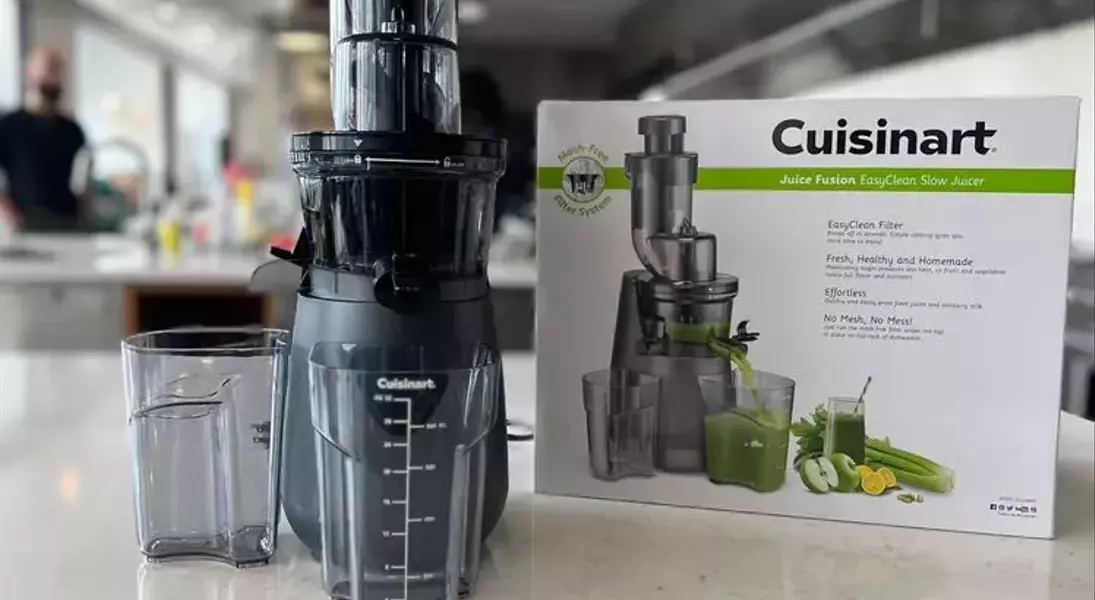
The Cuisinart Easy Clean Slow Juicer, despite its affordable price and lack of a fine-mesh filter, performed surprisingly well with leafy greens and large fruits. Its wide chute and tamper facilitate ease of use, though it produces more pulp and foam than premium models. Its primary advantage lies in its quick cleanup, as the simplified basket design and hinged chute cap make rinsing relatively easy, albeit with some minor residue collection at the base. It’s a practical choice for those prioritizing convenience and accepting a more textured juice.
Ninja NeverClog Cold Press Juicer: Compact and Efficient
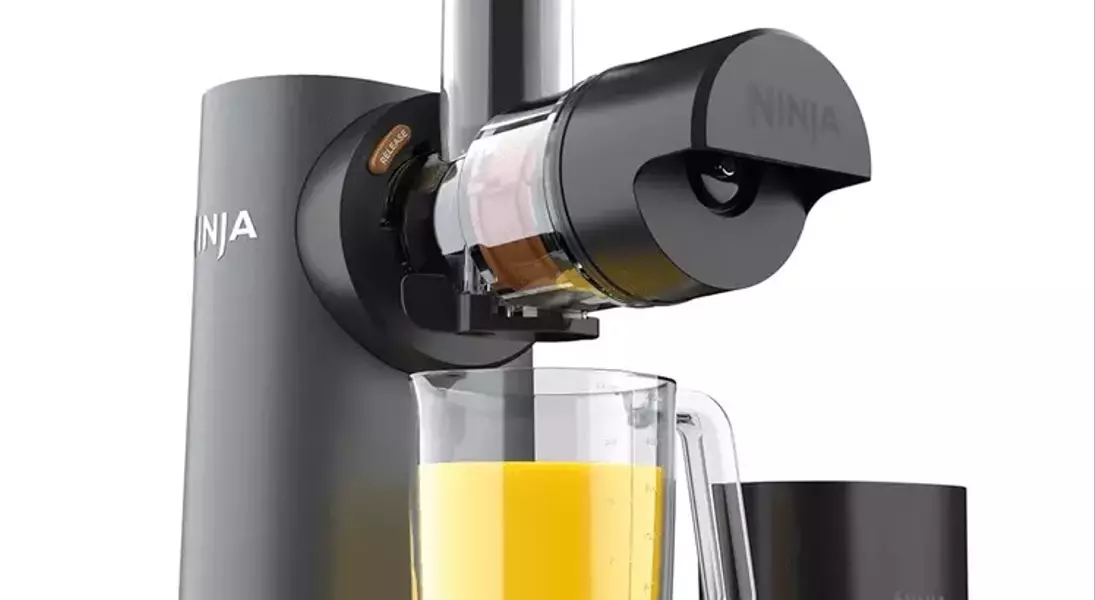
Despite its seemingly less robust construction, the Ninja NeverClog Cold Press Juicer delivered impressive results, effectively processing carrots, apples, celery, and beets with notable quietness and no clogging. Its horizontal auger design, while taking up more counter space, efficiently juices produce. The smaller hopper requires chopping ingredients into smaller pieces, making it ideal for single servings or small batches rather than large-scale production. For its price, it offers excellent performance for individual use.
Nutribullet Slow Juicer: Ideal for Beginners and Small Spaces
The Nutribullet Slow Juicer stands out for its compact size and efficient juice extraction. It operates quietly and is straightforward to use, featuring a single speed and a reverse function for blockages. However, its narrow hopper demands more meticulous preparation, as produce needs to be cut into smaller pieces. Cleaning, though parts are dishwasher-safe, can be somewhat tedious due to pulp accumulation in crevices. It produces juice with some pulp and foam, particularly from softer fruits. For those new to juicing, apartment dwellers, or students, its approachable price and small footprint make it a viable option.
Omega NC900HDC Cold Press Juicer: Versatile and Powerful
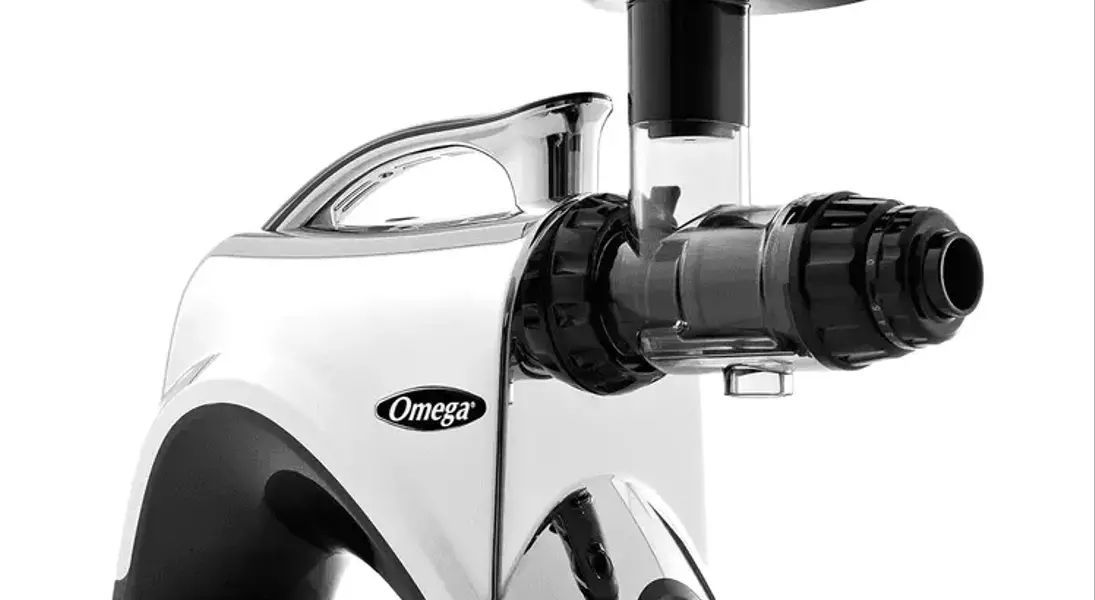
The Omega NC900HDC is a robust juicer that, despite requiring more counter space, operates quietly and cleans easily. It excels at extracting high yields from leafy greens. Beyond juicing, it functions as a "nutrition system," capable of making nut butters, fruit purées, grinding coffee, and even producing homemade pasta. While its higher price and bulkiness make it less ideal for everyday juicing for some, its versatility might justify the investment for users seeking a multi-functional appliance.
Magic Bullet Mini Juicer: Ultra-Compact Solution
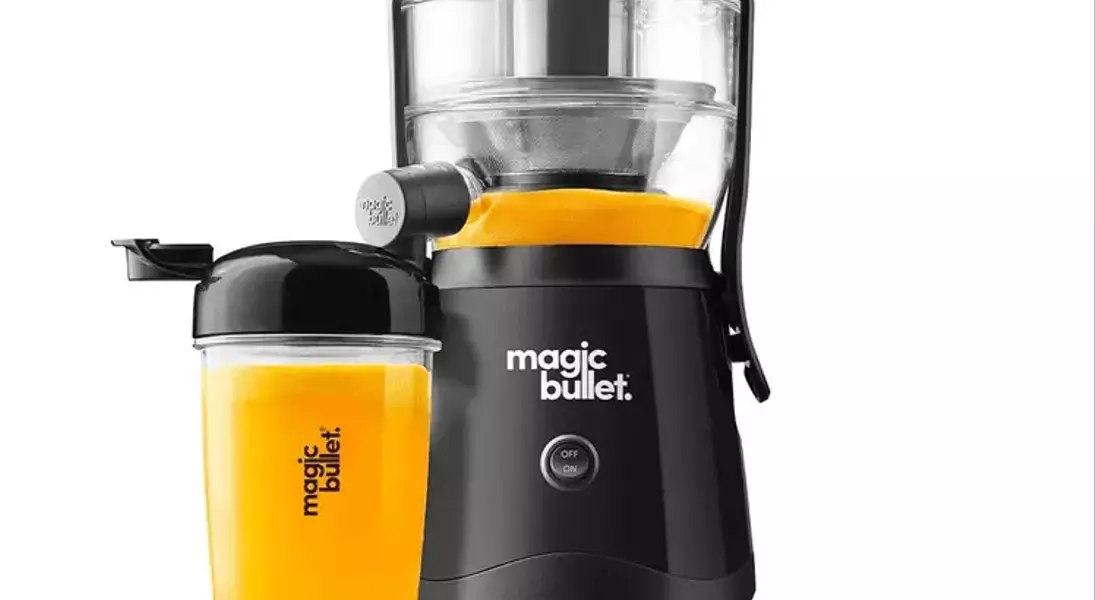
For those with severely limited space, the Magic Bullet Mini Juicer offers an ultra-compact solution. Its 16-ounce portable cup is perfect for small batches or single servings. However, its tiny hopper is not suitable for large families or extensive juicing. While budget-friendly, it doesn't match the high juice yield of larger, more expensive models. It remains a solid choice for beginners, apartment residents, or college students due to its convenience and affordability.
Models We Advise Against
Certain juicers, despite some redeeming qualities, did not meet our overall recommendations due to specific drawbacks in performance, cost, or user experience.
Hurom H70 Easy Clean Slow Juicer: Performance Shortcomings
While the Hurom H70 efficiently extracted a large volume of juice and offered easy cleaning and a compact size, its primary issue was the consistently thick and pulpy texture of its output. Green juice had noticeable sediment, orange juice was overly pulpy with seeds, and carrot juice had a bitter taste and left an unpleasant residue. At $650, its high price combined with these textural deficiencies made it an unrecommended option compared to better-performing, more affordable alternatives.
Cuisinart Juice Extractor: Loud Operation and Foam
The Cuisinart Juice Extractor features a sturdy build and a powerful 1,000-watt motor, capable of processing large fruits with its 3-inch feed tube, which is convenient for minimal chopping. However, as a centrifugal juicer, it operates with significant noise and produces excessive foam. While cleanup is manageable, it's not as effortless as some other models, making it less appealing for those seeking a quieter, cleaner juicing experience.
Breville the Juice Fountain Cold XL: Excessive Froth and Splatter
The Breville Juice Fountain Cold XL boasts a sleek design and easy assembly. However, as a centrifugal model, it rapidly spins produce, causing juice to splatter if not tamped carefully. Despite a "quiet" mode, it remains noisy. The resulting juice was overly frothy and showed noticeable separation, leading us to recommend masticating juicers as a superior investment for similar price points, offering better quality juice with less mess.
Breville the Juice Fountain Compact: Limited Quality for the Price
This compact and affordable model is not recommended over our slightly more expensive budget pick. Its high-RPM blades pulverize produce so quickly that juice can spurt out if the tamper isn't used diligently. The excessive foam produced often resembles a milkshake, diminishing the juice quality. Despite its speed, a slow juicer would provide a superior juice experience.
Frequently Asked Questions About Juicers
Here are some common questions regarding juicers and juicing practices, providing clarity on operational differences, preparation, and storage.
Masticating vs. Centrifugal Juicers: A Comparative Overview
Juicers primarily fall into two categories: masticating (slow) and centrifugal. Masticating juicers operate at slower speeds, crushing and squeezing produce to extract juice. This gentle method preserves more nutrients and enzymes, yielding cold, highly concentrated juice with minimal waste, especially suitable for fibrous ingredients. Centrifugal juicers, conversely, shred produce at high speeds, generating heat that can degrade nutrients and cause faster oxidation. They typically produce foamier juice but are generally more affordable and quicker, though often harder to clean and yielding a less refined product.
To Peel or Not to Peel: Fruit Preparation for Juicing
Generally, peeling most fruits before juicing is unnecessary. Apples, oranges, limes, and pears can be juiced with their skins intact after a good wash. Stone fruits like peaches and nectarines require pit removal. For citrus, removing the rind is optional; it can reduce bitterness and yield a smoother juice, depending on personal preference.
Maximizing Freshness: Storage Tips for Homemade Juice
Freshly made juice, unpasteurized and without preservatives, should be consumed relatively quickly. It can typically be stored in the refrigerator for up to 72 hours. Masticating juicers contribute to longer freshness due to less oxidation during extraction. Storing juice in an airtight container, such as a mason jar, helps maintain its quality and extends its shelf life.
