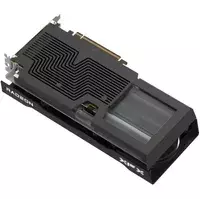
The year 2025 has brought forth a new wave of graphics cards, igniting enthusiasm across the PC gaming community. This analysis delves into the performance and market standing of the leading GPUs from AMD and Nvidia, spotlighting their unique contributions and highlighting the dynamic shifts in the hardware industry.
Unveiling the Premier Graphics Processing Units of 2025
A Challenging Beginning for the Latest GPU Generation
The introduction of new graphics processing units this year sparked considerable excitement within the PC hardware sector. Enthusiasts anticipated significant upgrades, fresh laptop models, and a complete revamp of PC product lines. However, the initial rollout faced substantial hurdles, including driver malfunctions, hardware glitches, and critical issues related to pricing and availability. These problems cast a shadow over the initial thrill of acquiring cutting-edge gaming technology.
Overcoming Initial Obstacles and Market Stabilization
Despite the turbulent start, the market for these new GPUs eventually found its footing. Prices for all the latest graphics cards gradually aligned closer to their manufacturer-suggested retail prices (MSRPs), with some even dropping below them. Moreover, availability significantly improved, ensuring that these high-demand components became more accessible to consumers. This stabilization brought a much-needed reprieve, allowing gamers to finally appreciate the advancements offered by the new generation of hardware.
The Persistent Challenge of Memory Pricing
Just as the GPU market began to recover, a new challenge emerged: the escalating cost of RAM. This phenomenon, dubbed the “RAMpocalypse,” sent prices soaring for any device incorporating memory chips, essentially impacting a vast array of electronic products. This ongoing trend suggests that memory costs are unlikely to decrease in the near future, adding another layer of complexity for consumers building or upgrading their systems.
AMD's Resurgence and Innovation in the GPU Arena
Notwithstanding market volatilities, the 2025 graphics cards continue to embody the pinnacle of architectural design from both AMD and Nvidia. AMD, in particular, has demonstrated a strong competitive spirit, aggressively pushing boundaries with both pricing and specifications. Their renewed focus on ray tracing performance and the introduction of the FSR Redstone update—an advanced machine learning-based upscaling technology—have positioned them as a formidable contender against Nvidia. This strategic shift has been met with positive reception, signaling AMD's serious commitment to capturing a larger share of the high-performance GPU market.
AMD Radeon RX 9070 XT: A Strong Contender for High-End Performance
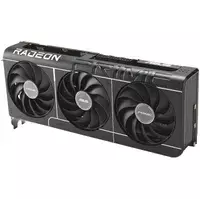
The AMD Radeon RX 9070 XT stands out as a prime example of AMD's strategic pivot. While not targeting the ultra-enthusiast segment at the very top of the stack, the entire RX 9000-series demonstrates AMD's keen understanding of where the majority of gamers invest their resources: the mid-range market. This card delivers performance comparable to Nvidia's RTX 5070 Ti, but with a more accessible price point. After initial supply chain issues normalized, the RX 9070 XT, with its robust ray tracing and enhanced FSR capabilities, emerged as a compelling choice for a high-performance GPU.
AMD Radeon RX 9060 XT: Unmatched Value in the Mid-Range
Following in the footsteps of its more powerful sibling, the Radeon RX 9060 XT further solidified AMD's mid-range dominance. This model, boasting 16 GB of VRAM, offers exceptional 1440p gaming performance at a competitive price. It represents the most budget-friendly option for users requiring ample video memory. Despite some price fluctuations, it remains the most affordable 16 GB card available, proving AMD's ability to deliver strong performance and significant value to a broad audience of gamers.
Nvidia GeForce RTX 5070 Ti: Overclocking Prowess and Feature Richness
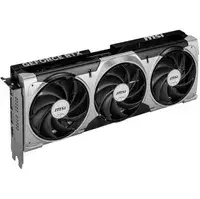
The Nvidia GeForce RTX 5070 Ti, while not at the apex of Nvidia's offerings, has earned a reputation as a remarkably capable graphics card. Initially overshadowed by the RX 9070 XT's aggressive pricing, the RTX 5070 Ti found its niche through superior overall feature sets and impressive performance gains through overclocking. Unlike previous generations where overclocking yielded minimal benefits, the RTX 50-series GPUs, including the 5070 Ti, demonstrate substantial performance boosts without compromising temperature or power efficiency. This characteristic makes it a highly attractive option for enthusiasts seeking to maximize their hardware's potential.
