

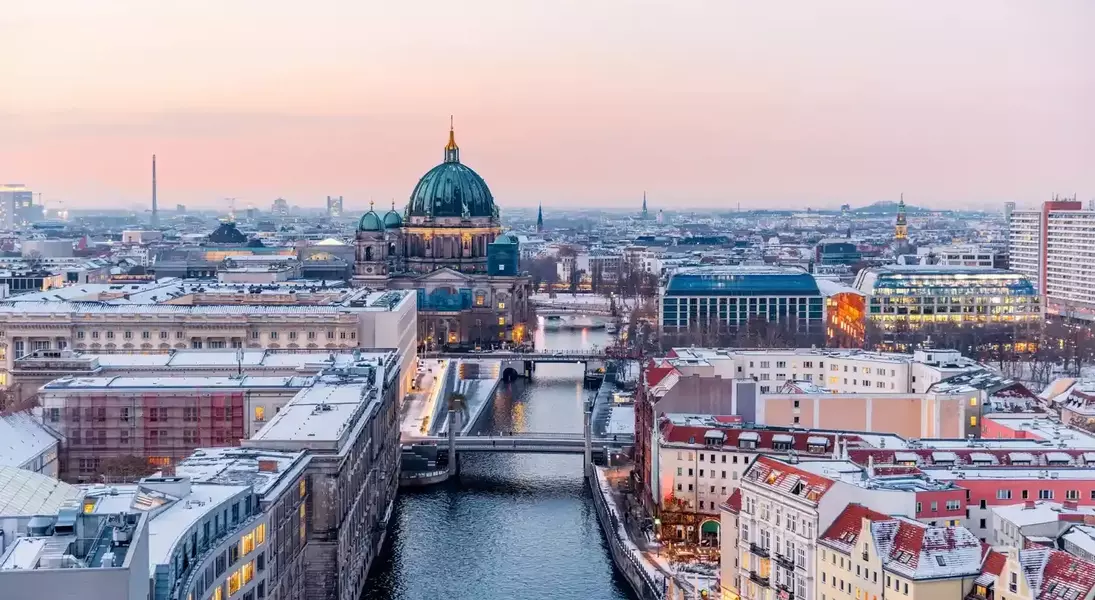






Retiring overseas is a growing trend among Americans, who are increasingly drawn to Europe's appealing lifestyle, from its walkable cities and dependable, affordable healthcare systems to its rich historical tapestry and effortless inter-country travel. The ideal European retirement haven hinges on crucial considerations like language, visa processes, healthcare provisions, tax agreements, and overall quality of life.
Detailed Exploration of Prime Retirement Destinations
Europe presents a spectrum of retirement possibilities for Americans. Southern European countries, such as Greece, Portugal, and Spain, attract those seeking warmer climates and more economical living expenses. In contrast, Northern European nations like Austria, Belgium, Denmark, Finland, Germany, Norway, and Sweden, appeal to retirees prioritizing robust infrastructure and comprehensive public services, albeit at a potentially higher cost. Investopedia has identified these twelve European countries as top considerations for Americans planning their retirement abroad.
Austria, nestled in Central Europe, provides a sophisticated environment with a high standard of living and a rich cultural legacy. Cities like Vienna and Salzburg are consistently ranked among the best places to reside, offering exceptional public transportation, safety, and cultural amenities. While German is the official language, English proficiency is remarkably high, easing the transition for American retirees. Residency typically requires demonstrating independent income or investment, and although healthcare is strong, the cost of living is moderate, making it a relatively expensive option compared to some European counterparts.
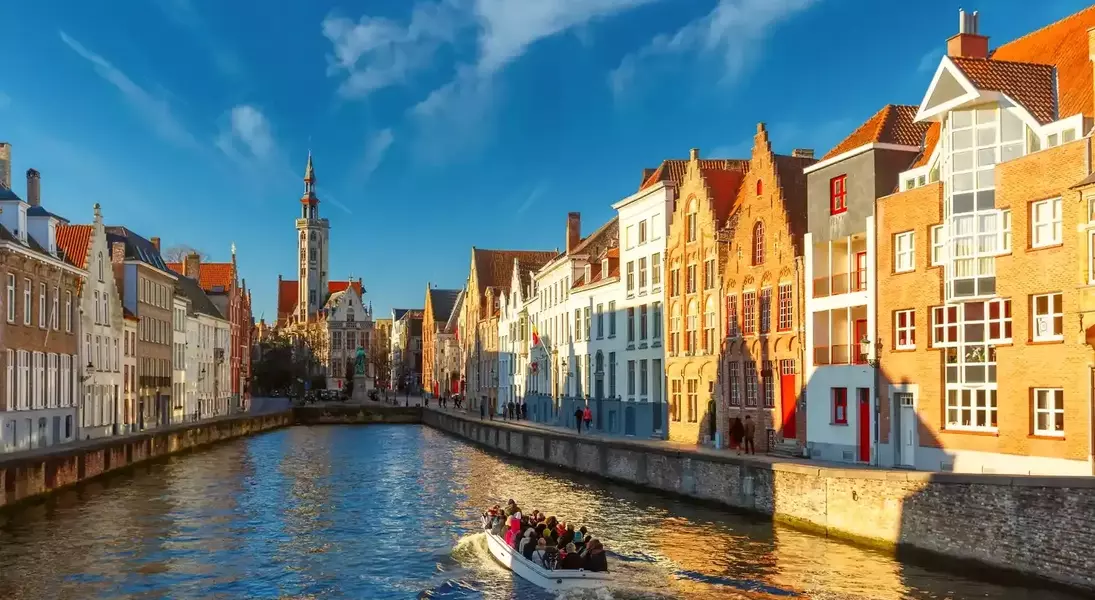
Belgium's strategic location offers convenient access to France, Germany, and the Netherlands, facilitated by an efficient rail network. English is widely spoken, especially in major urban centers like Brussels and Antwerp, making it an accessible choice for English-speaking expatriates. Retirees must secure a long-stay resident permit, which entails proving sufficient financial resources and health insurance. Belgium boasts a strong healthcare system supported by mandatory coverage, but its tax rates are notably higher than those in Central and Southern Europe.
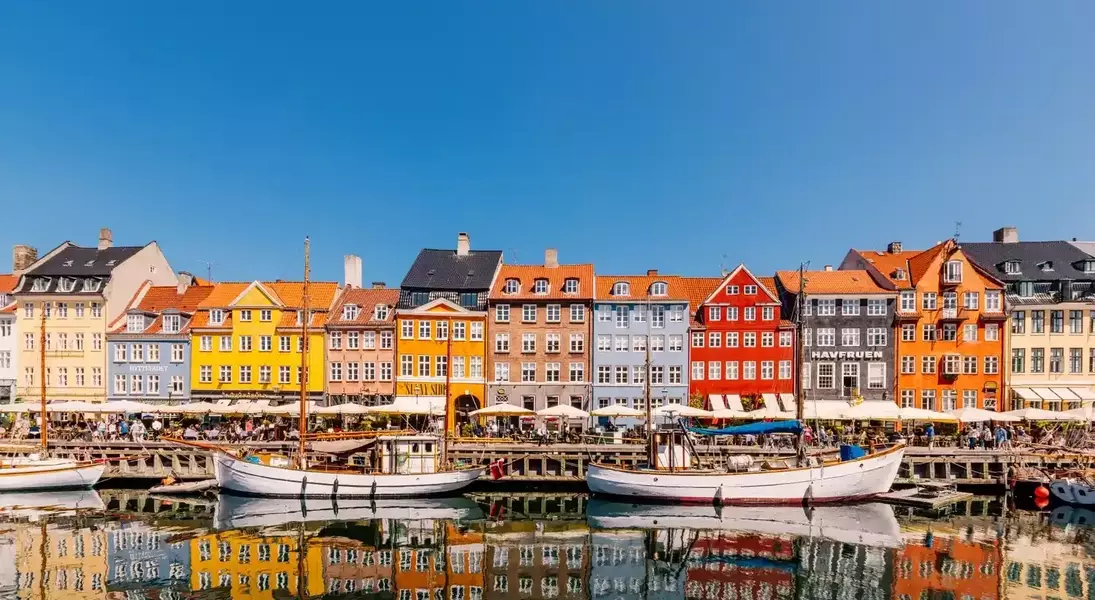
Denmark consistently appears on lists of the world's happiest countries, a testament to its robust social safety nets and public services. It also boasts high English proficiency, which simplifies adaptation for newcomers. Residency requires proof of financial self-sufficiency or family ties. Despite high living costs and taxes, residents benefit from universal healthcare and extensive social services. Copenhagen, the capital, is renowned for its outstanding infrastructure, promoting walkability and cycling.
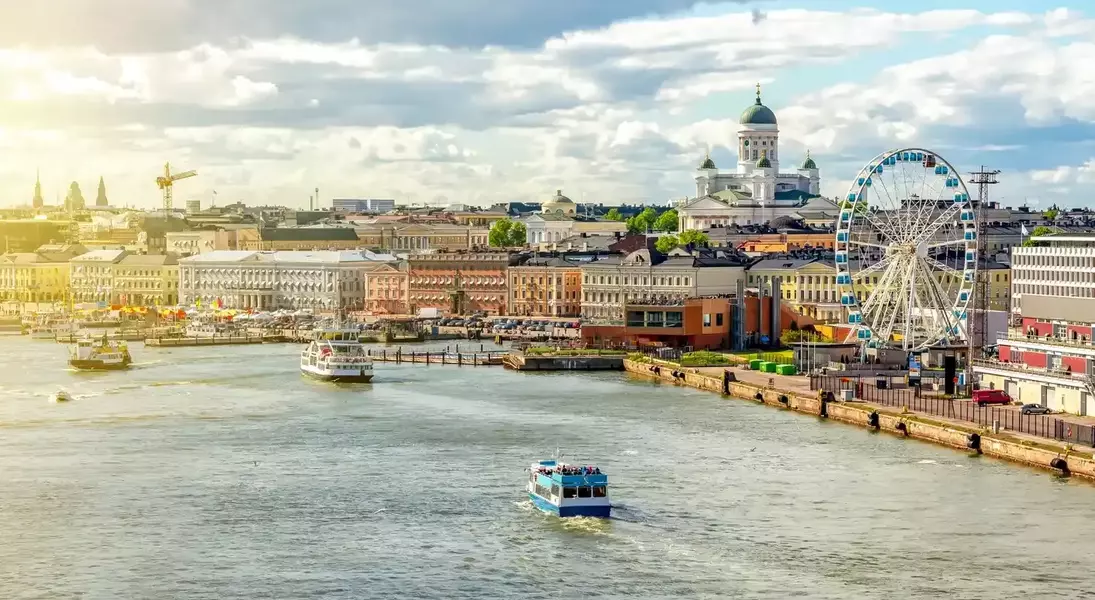
Finland is celebrated for its safety, security, and high happiness rankings, attributed to its strong social support systems, public services, and excellent quality of life. The country offers subsidized public healthcare to all residents. A tax treaty with the U.S. prevents double taxation on retirement income, a significant advantage for American expatriates. However, Finland's long, dark winters can be a notable drawback, impacting mood and outdoor activities.
Germany, Europe's largest economy, features robust infrastructure, exceptional public services, and reliable healthcare. Americans can typically obtain residency through permits based on financial independence or family reunification. English proficiency is high, particularly in cities like Berlin and Hamburg. A tax treaty with the U.S. helps avoid double taxation. German winters, especially in the northern regions, can be characterized by shorter daylight hours and overcast weather, which may be challenging for some.
Greece offers an alluring Mediterranean lifestyle, with abundant access to the sea and pleasant weather. It stands out as an affordable retirement option, with an average cost of living roughly half that of the U.S. Residency pathways include property-based investment visas and financial independence permits. Greece provides a special tax regime for certain foreign retirees, allowing for a flat tax rate on retirement income. English is commonly spoken in tourist areas and larger cities, facilitating an easier adjustment. The Financially Independent Person (FIP) visa requires a specified monthly income from passive sources.
Ireland's status as an English-speaking nation makes it an appealing choice for Americans, further bolstered by strong historical and cultural ties. Many individuals with Irish ancestry can also pursue citizenship. Residency is governed by a stamp program, which defines the terms of stay, including work, study, or residence rights. The country provides both public and private health insurance options. While housing costs, especially in Dublin, can be high, Ireland's top ranking on the Global Peace Index underscores its safety and security. It also boasts one of the highest percentages of expatriates relative to its total population among the listed countries.
Italy boasts a wealth of attractions, from its captivating coastlines to picturesque landscapes. Historic cities such as Rome and Florence are rich in history and culinary delights, while regions like Tuscany, Sicily, and Puglia are particularly popular among foreign residents. The country offers an elective residence visa for those with passive income and provides healthcare through its national health system. Living costs vary considerably, with the northern regions generally more expensive and the south offering greater affordability.
Norway consistently ranks high in quality of life, healthcare, and financial stability. It is recognized for its excellent, publicly funded healthcare system and strong infrastructure. Residency requirements are more stringent than in Southern Europe, demanding proof of substantial financial resources. Norway is one of Europe's most expensive countries, reflecting in its low grocery index score among international retirement locations. The main factor here is the high cost of living.
Portugal is a highly favored destination for both American tourists and retirees. The D7 visa allows individuals with passive income to apply for residency, with a lower financial threshold compared to many other European countries. Portugal has tax agreements with the U.S. to prevent double taxation, offers accessible healthcare, and is relatively affordable, complemented by its pleasant weather and Atlantic coastline. English is widely spoken in tourist areas and major cities, and the country boasts a high local purchasing power.
Spain is renowned for its beautiful weather, vibrant cities, exquisite food culture, and robust healthcare system, making it an attractive retirement option. The non-lucrative visa caters to financially stable individuals seeking residency. The cost of living is substantially lower than in the U.S., and its healthcare system consistently ranks among the best globally.
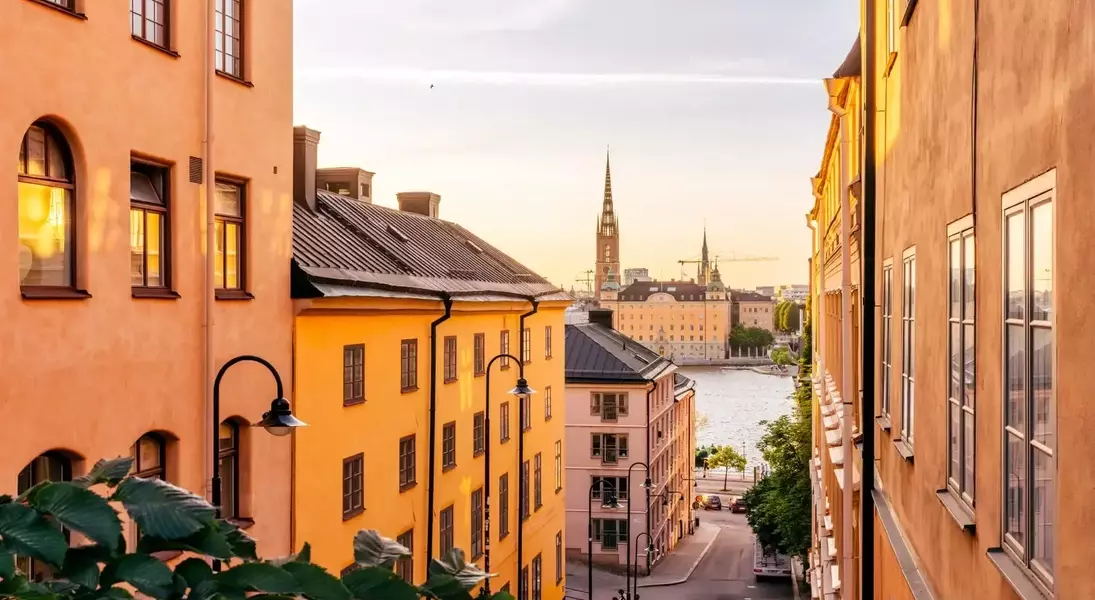
Sweden offers excellent healthcare access, high environmental quality, and strong public infrastructure. English is widely spoken throughout the country. Residency typically requires proof of financial stability and health insurance. Although taxes and living costs are higher than in Southern Europe, its strong public services, cleanliness, and safety make it a popular choice. Like other Nordic nations, Sweden's long, dark winters can be a considerable drawback, despite pleasant summers.
Ultimately, the choice of a European retirement destination is deeply personal, driven by individual priorities. Whether it's the warm sun of the Mediterranean or the robust social systems of the Nordics, Europe offers a range of options to suit diverse preferences. The research conducted for this guide, which involved analyzing 38 criteria across 40 countries, aimed to provide a comprehensive overview for Americans considering this significant life change. While some countries like Portugal, Spain, and Greece offer a more budget-friendly and sunny environment, others like Sweden, Denmark, and Norway provide enhanced safety and infrastructure at a higher cost. All the featured countries, with the exception of Austria, permit dual citizenship, simplifying the process for many. For those prepared to navigate the complexities of international relocation, Europe promises a stimulating and fulfilling new chapter in their retirement journey.
