The Castlevania series, a long-standing titan in video game history, has consistently captivated players with its unique blend of action, exploration, and gothic horror. After a hiatus, the franchise re-emerged with renewed vigor, proving its enduring popularity. Across its many iterations, Castlevania has offered diverse gameplay experiences, all woven into a rich narrative tapestry rooted in vampire mythology. This comprehensive review aims to guide both seasoned enthusiasts and newcomers through the series' most notable entries, presenting a ranked selection of eight essential Castlevania titles that showcase the franchise's evolution and highlight its timeless appeal. From the foundational classics that defined the genre to later innovations that redefined its scope, each game on this list represents a significant milestone in Castlevania's storied journey.
This detailed exploration covers pivotal moments in Castlevania's history, from the technological leaps seen in early console generations to the groundbreaking design philosophies that shaped its later acclaimed titles. The compilation emphasizes games that not only stood out upon their release but also continue to offer compelling experiences today, thanks to their innovative mechanics, immersive atmospheres, and memorable narratives. It serves as an invaluable resource for anyone looking to navigate the vast world of Castlevania, providing clear insights into what makes each selected game a must-play. Whether it's the strategic combat of earlier titles or the expansive exploration of Metroidvania-style entries, this guide ensures that every fan can discover or revisit the best the series has to offer.
The Evolution of Classic Castlevania Mechanics
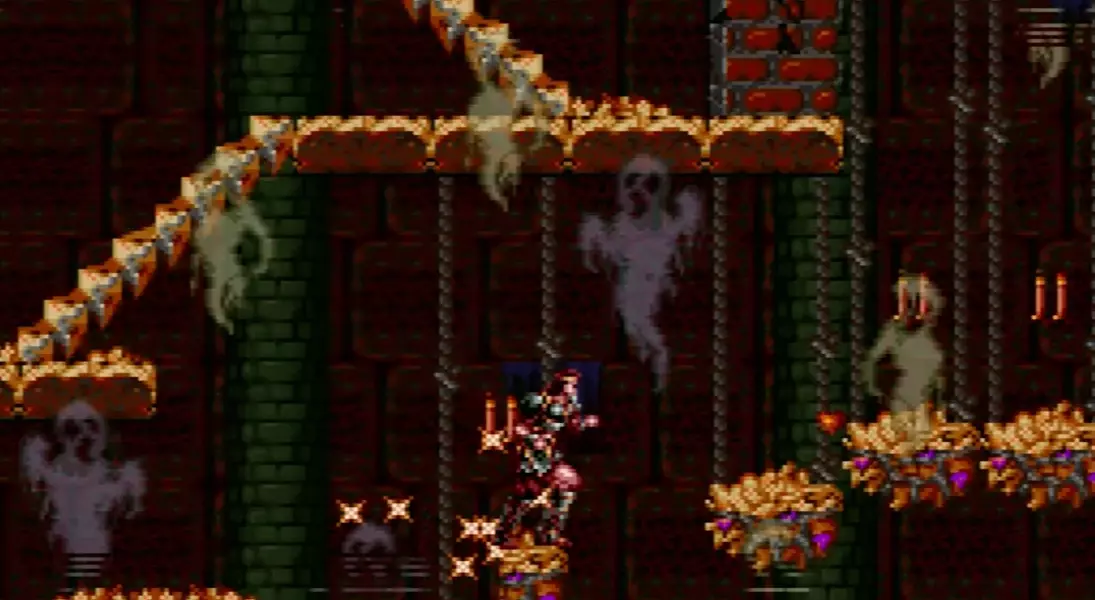
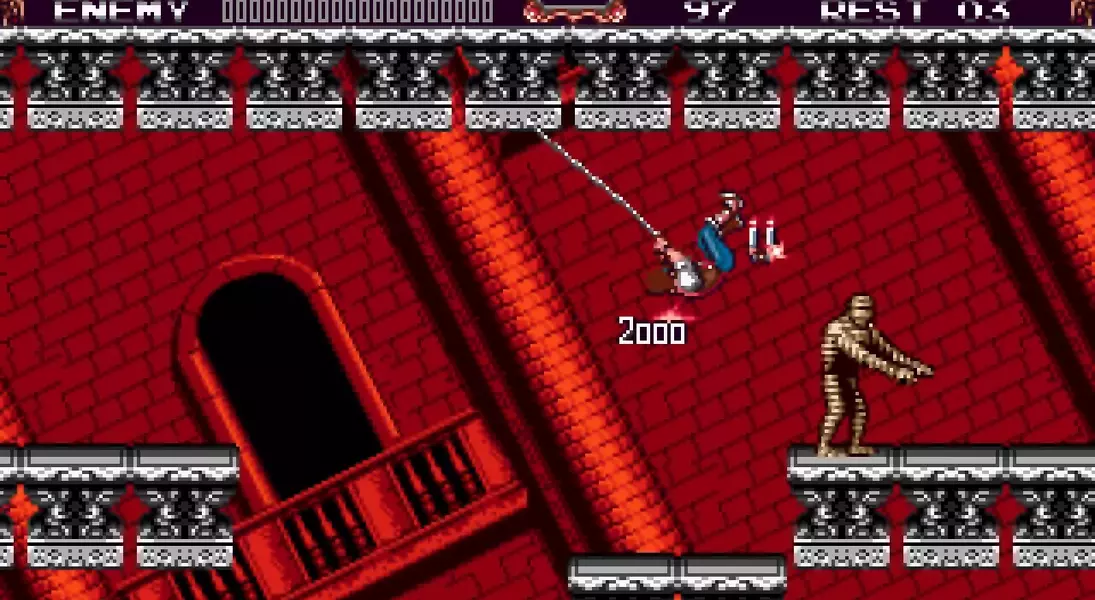
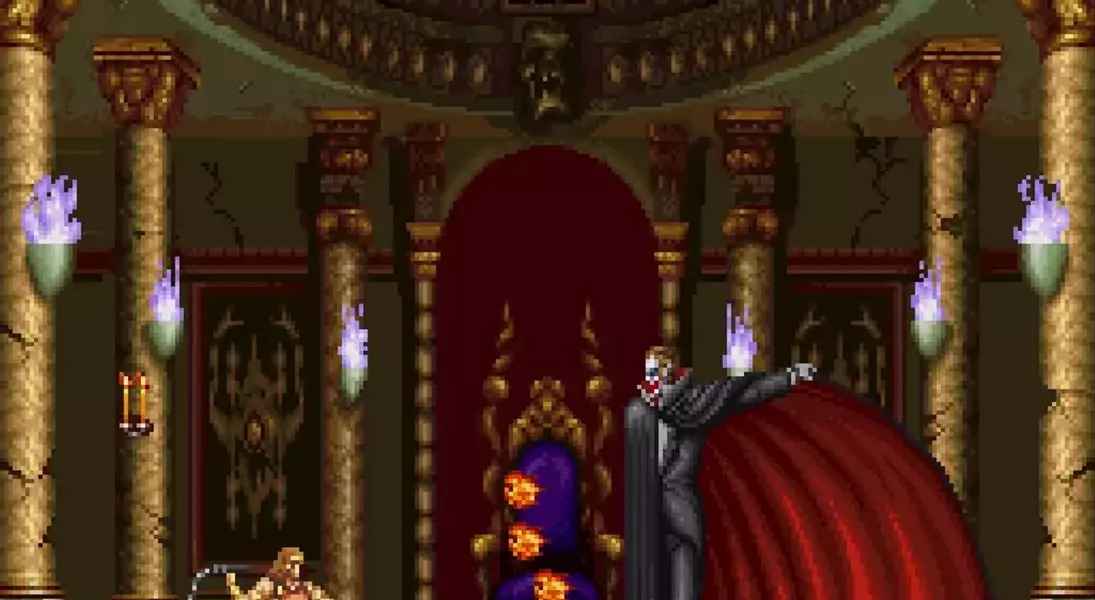
The early entries in the Castlevania saga laid the groundwork for its enduring legacy, showcasing a relentless pursuit of innovation within the constraints of evolving gaming hardware. Titles such as 'Super Castlevania IV' on the Super Nintendo pushed graphical boundaries with its vivid environments and introduced enhanced combat fluidity, allowing for multi-directional whip attacks and grappling. Similarly, 'Castlevania: Bloodlines' on the Sega Genesis offered a distinct experience with its unique characters and global settings, emphasizing rapid-paced action and impressive visual effects that fully utilized the Genesis's capabilities. These games not only refined the classic platforming and combat elements but also expanded the narrative scope, setting the stage for the rich lore that would become a hallmark of the series. They represent the crucial developmental phase where Castlevania solidified its identity as a challenging yet rewarding vampire-hunting adventure.
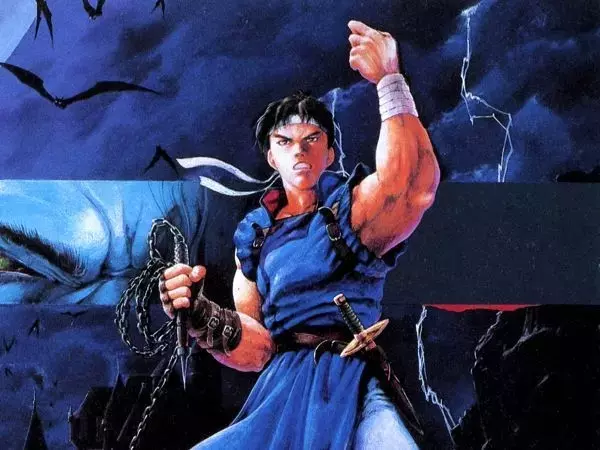
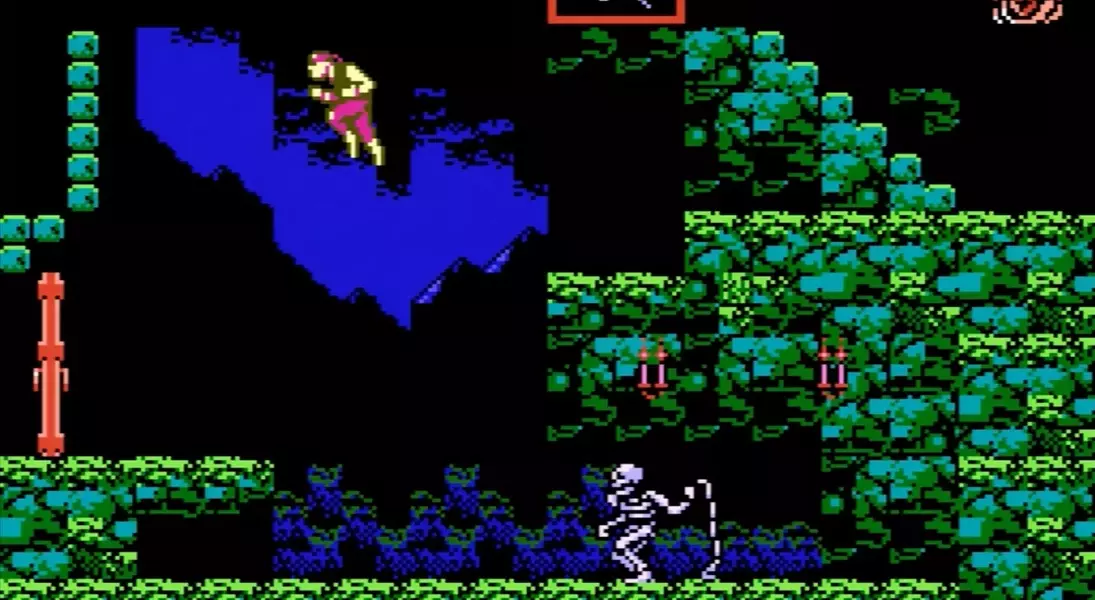
'Castlevania Chronicles,' a remake originally for the Sharp X68000, epitomized the traditional Castlevania challenge, providing enhanced visuals and sound while maintaining a high level of difficulty that tested players' skills. Its faithful recreation of the original 1986 entry offered a pristine way to experience the foundational adventure. 'Castlevania 3: Dracula's Curse' on the NES is often lauded as the pinnacle of the 8-bit era, perfecting the formula with multiple playable characters, each offering unique abilities and branching pathways through beautifully designed stages. This title not only provided deep lore, later explored in an animated series, but also pushed the NES hardware to its limits, delivering a sophisticated and engaging experience. These classic games collectively demonstrate how the franchise continuously evolved its core mechanics, character diversity, and level design to deliver progressively richer and more challenging vampire-slaying escapades.
Metroidvania's Transformative Impact on Castlevania
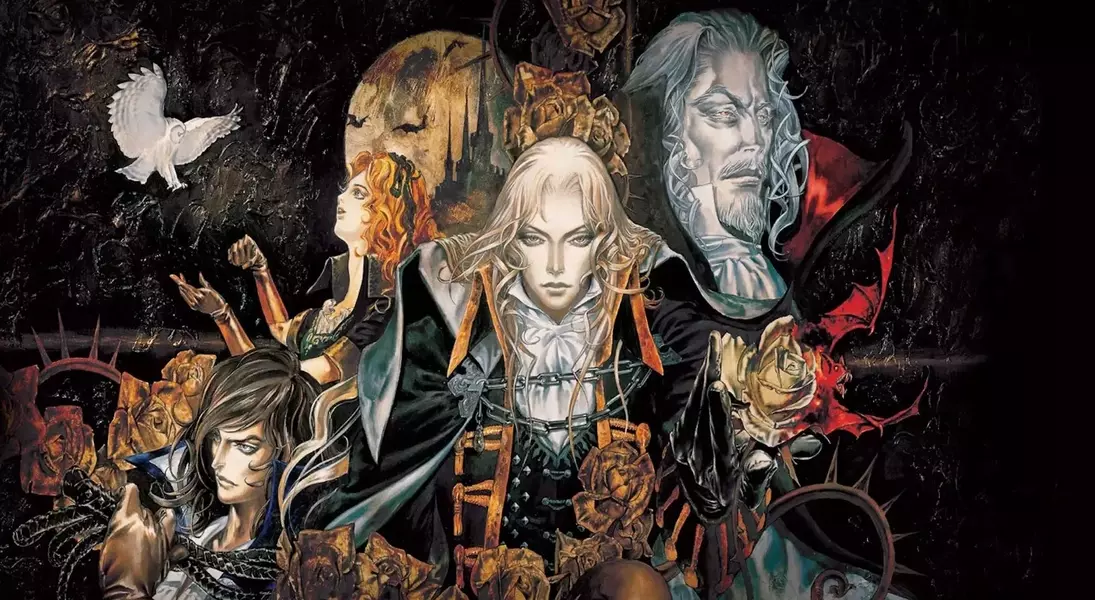
The mid-to-late 90s marked a significant turning point for the Castlevania series with the advent of the 'Metroidvania' style, profoundly reshaping its gameplay and world design. 'Castlevania: Symphony of the Night' stands as the undisputed masterpiece of this era, seamlessly blending Metroid's non-linear exploration with Castlevania's gothic atmosphere and RPG elements. Players, as Alucard, navigate a vast, interconnected castle, uncovering secrets and gaining new abilities that unlock previously inaccessible areas. The game's innovative design, including its famous inverted castle, offered an unparalleled sense of discovery and replayability, fundamentally altering player expectations for the series and inspiring countless subsequent titles in the genre. Its impact was so profound that it became the benchmark for future Castlevania games, establishing a new paradigm for action-adventure gameplay.
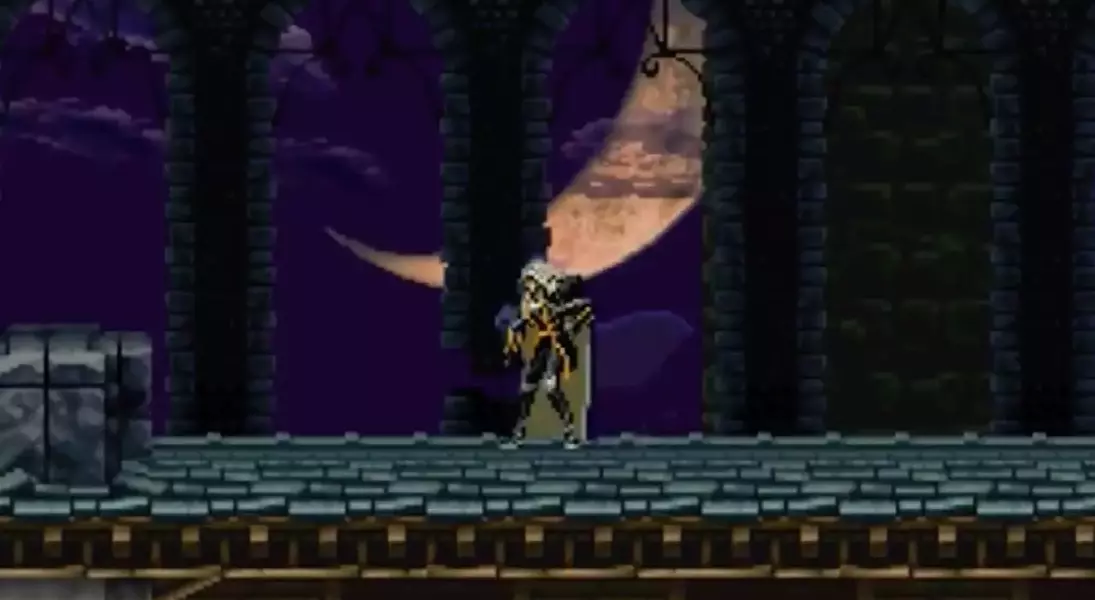
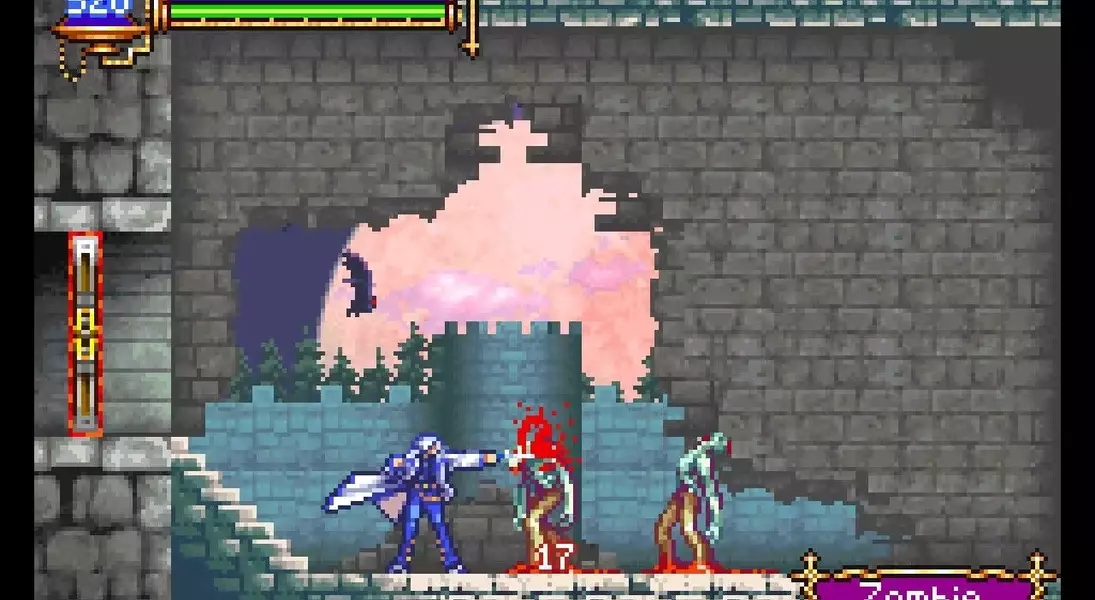
Following 'Symphony of the Night's' success, the Metroidvania influence continued to flourish, particularly in handheld entries like 'Castlevania: Aria of Sorrow.' This Game Boy Advance title demonstrated the enduring appeal of the formula, introducing protagonist Soma Cruz, who could absorb enemy souls to gain new powers, adding a fresh layer of strategic depth to exploration and combat. Similarly, the more recent 'Castlevania: Belmont's Curse' showcased a modern interpretation of the Metroidvania style with 2.5D visuals, fluid movement, and a compelling narrative that respected the series' heritage while pointing towards its future. These titles exemplify how the Metroidvania design philosophy transformed Castlevania from a linear platformer into an expansive, interconnected adventure, emphasizing player agency, deep character progression, and intricate world-building, ultimately solidifying its place as a genre-defining franchise.
