
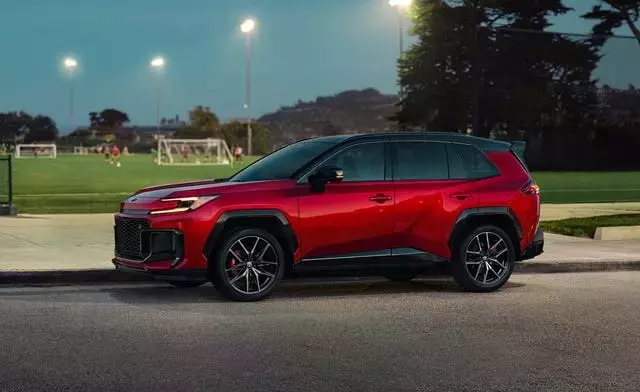

The year 2025 proved to be an exceptionally active period within the automotive sector, characterized by a wave of groundbreaking innovations and highly anticipated vehicle introductions. This annual retrospective highlights the most engaging narratives that resonated with audiences, spanning from the debut of high-performance hybrid sports cars that redefined power, to the strategic comparisons of leading hybrid SUVs, and the thrilling annual track showdown at Virginia International Raceway. The industry also witnessed the resurgence of street-oriented performance trucks and the unveiling of bold new electric vehicle concepts, demonstrating a profound evolution in vehicle design, capability, and market focus. These developments collectively underscore a pivotal year where automotive engineering pushed boundaries, catering to a wide spectrum of driving preferences and environmental considerations.
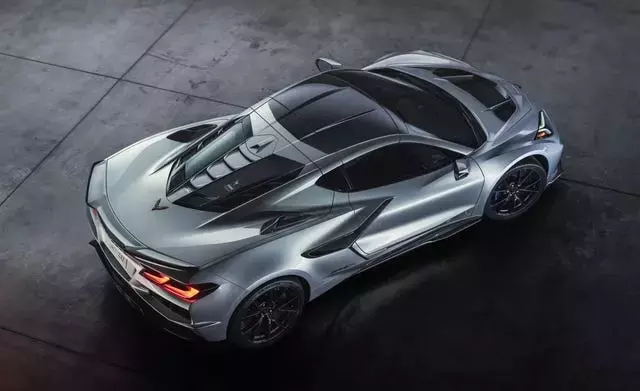
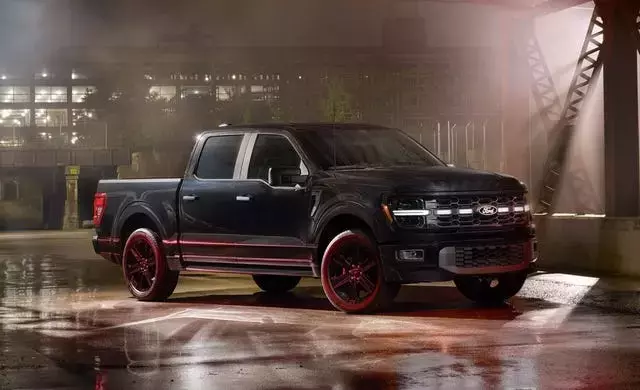
Amidst this exciting backdrop, several models captured public attention, with the new Chevrolet Corvette ZR1X Hybrid leading the charge with its astonishing horsepower and advanced all-wheel-drive system. The revival of the Ford F-150 Lobo as a street truck offered a blend of performance and aggressive styling, appealing to a distinct segment of enthusiasts. Meanwhile, the annual Lightning Lap event showcased a diverse range of performance vehicles, from nimble sports cars to powerful electric models, pushing them to their limits on the track. The competitive spirit extended to off-road comparisons, where robust mid-size pickup trucks battled it out in challenging desert environments. Significant updates were also seen in the SUV market, with the Subaru Outback adopting a more rugged aesthetic and the Tesla Model Y receiving a modern refresh. Toyota's commitment to hybridization became evident with its RAV4 transitioning to an exclusively hybrid lineup, further emphasizing the industry's shift towards sustainable and efficient powertrains. Additionally, an unexpected entry from Slate Truck introduced an affordable and highly customizable electric pickup, signaling future directions for accessible EV technology.
Breakthroughs in Performance and Hybrid Technology
The year 2025 was marked by significant advancements in automotive performance and the widespread adoption of hybrid powertrains, captivating enthusiasts with a blend of raw power and enhanced efficiency. Innovations such as the 2026 Chevrolet Corvette ZR1X Hybrid, boasting an astounding 1250 horsepower and all-wheel drive, showcased the pinnacle of engineering prowess, promising exhilarating speed and handling. This period also saw a notable trend in the truck segment with the reintroduction of street-focused models like the 2025 Ford F-150 Lobo, combining potent V-8 engines with refined handling and aggressive aesthetics. These developments underscore a dynamic market where both extreme performance and practical, yet powerful, options are thriving, driven by consumer demand for cutting-edge automotive experiences.
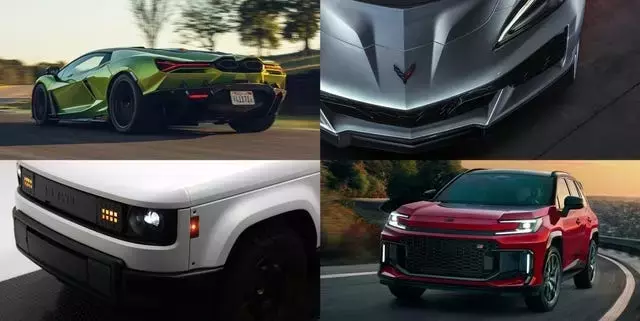
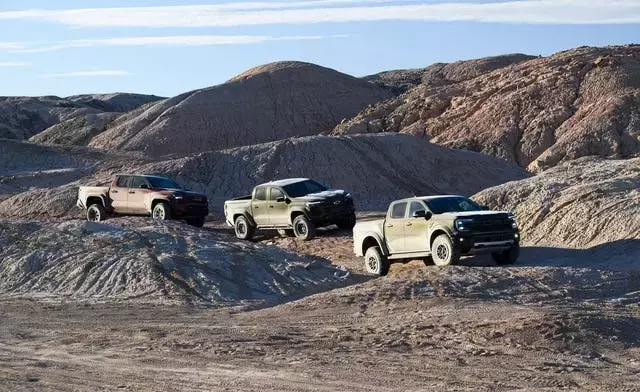
The automotive industry's push for performance was vividly demonstrated at events like Lightning Lap 2025, where a diverse array of vehicles, from the nimble Mazda MX-5 Miata to the formidable 1001-hp Lamborghini Revuelto and high-performance EVs such as the Lucid Air Sapphire, were rigorously tested on the track. This annual event not only highlighted the capabilities of traditional and electric performance cars but also featured unexpected contenders like the 2200-hp Ford Performance F-150 Lightning SuperTruck, signaling a future where diverse vehicle types compete for track dominance. Simultaneously, the market for rugged off-road trucks saw fierce competition, with models like the Chevrolet Colorado ZR2 Bison, Ford Ranger Raptor, and Toyota Tacoma TRD Pro engaging in intense desert showdowns. These comparisons were eagerly followed by consumers, keen to identify the top contender in the growing segment of adventure-ready pickups. Collectively, these events and product launches illustrate a year of relentless innovation, where performance, power, and diverse utility converge to redefine the automotive landscape.
Evolution of SUVs and the Rise of Electric Vehicles
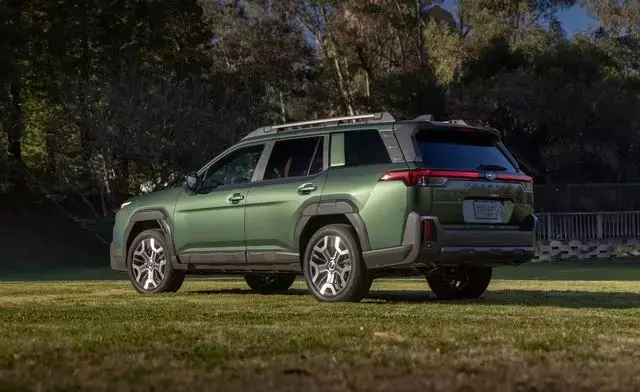
The year 2025 witnessed a remarkable evolution in the SUV segment and a definitive surge in the development and market presence of electric vehicles. Models like the 2026 Subaru Outback received significant updates, adopting a more robust and SUV-like design that, despite some divided opinions on its styling, underscored a shift towards more rugged aesthetics and improved interior features. A critical trend was the transition of popular compact SUVs, such as the Toyota RAV4, to exclusively hybrid powertrains, signaling the industry's strong commitment to fuel efficiency and reduced emissions. This strategic move highlights a broader industry transformation, where hybrid and electric options are becoming standard, reshaping consumer expectations and driving innovative vehicle designs.
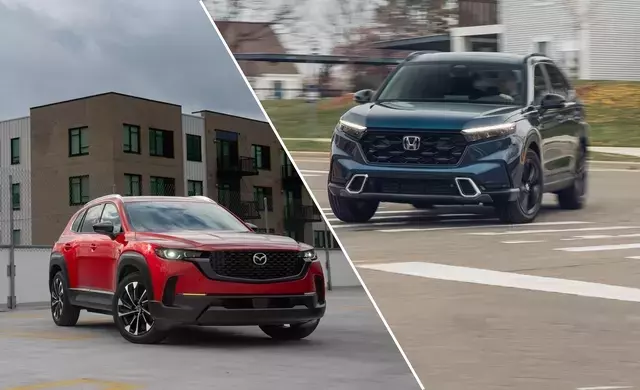
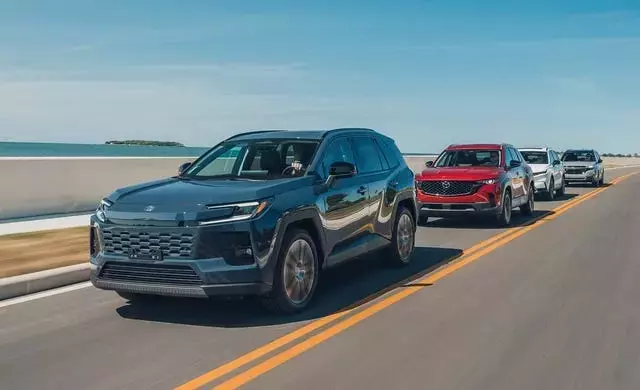
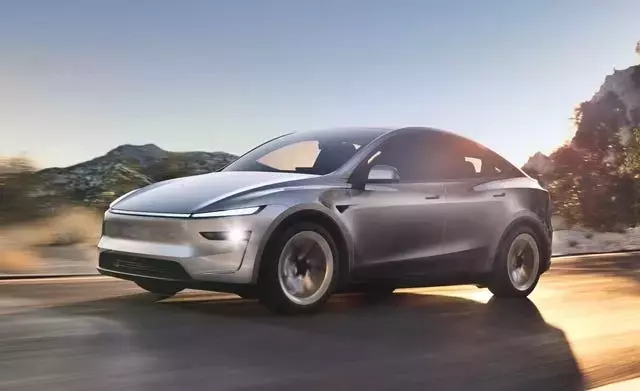
Further emphasizing the transformative year, the 2025 Tesla Model Y Juniper received a major facelift, introducing a sharper, Cybertruck-inspired aesthetic, alongside upgraded interior materials and enhanced range. This refresh solidified its position as a leading electric vehicle in the United States. Concurrently, the compact hybrid SUV market became a battleground for dominance, with comprehensive comparison tests involving the Honda CR-V Hybrid, Mazda CX-50 Hybrid, Subaru Forester Hybrid, and the newly hybrid-only Toyota RAV4. These comparisons were crucial for consumers navigating an increasingly crowded and diverse market. Adding an element of disruption, the introduction of the 2027 Slate Truck EV, backed by Amazon, generated considerable buzz with its promise of affordability and extensive customization options. Despite initial challenges related to tax credits, Slate’s back-to-basics approach, featuring manual windows and an eschewal of oversized touchscreens, resonated with a segment seeking functional and accessible electric utility vehicles. These collective developments in both the SUV and EV sectors showcase a year of significant shifts, catering to diverse consumer needs while pushing the boundaries of automotive technology and sustainability.
