Lexus consistently outperforms many European luxury brands in sales, primarily attributed to its reputation for exceptional reliability inherited from Toyota. The brand's dedication to robust build quality and a comfortable driving experience fosters high owner satisfaction and loyalty, directly impacting the strong performance of its vehicles in the used car market. This focus ensures that several Lexus models command premium prices even after several years of ownership.
Analyzing data from industry leaders like AutoTempest, Edmunds, and Kelley Blue Book, we've identified five Lexus models that stand out for their impressive resale values over a five-year period. These models, including various SUVs and sedans, demonstrate remarkable depreciation resistance, reflecting consumer confidence in their durability, design, and overall value. For buyers prioritizing long-term investment and reduced ownership costs, these Lexus vehicles represent compelling choices.
Sustained Value in Luxury SUVs: GX and LX Series
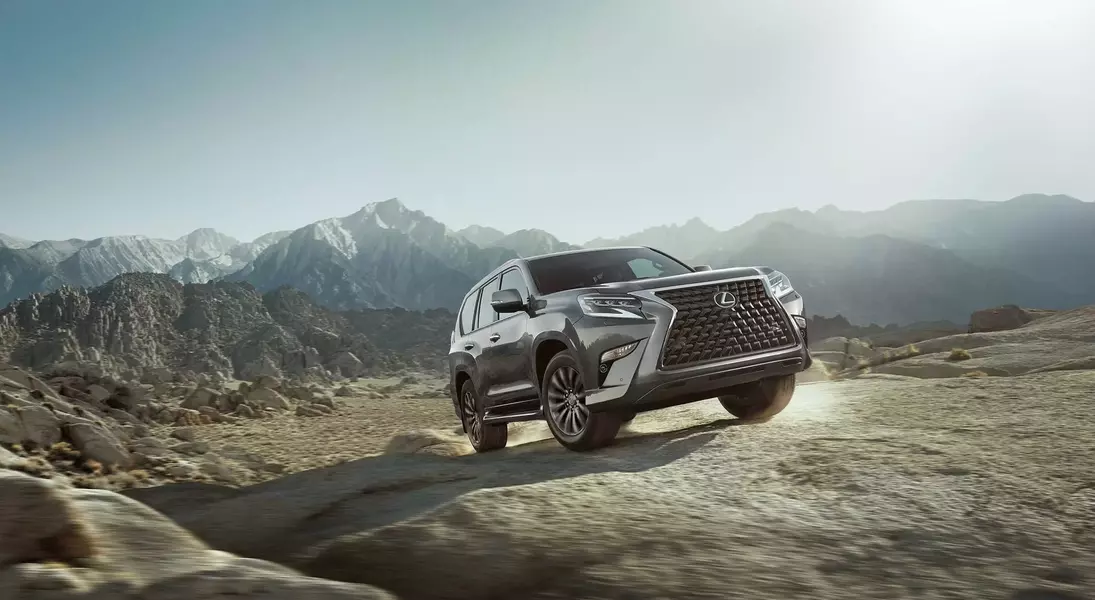
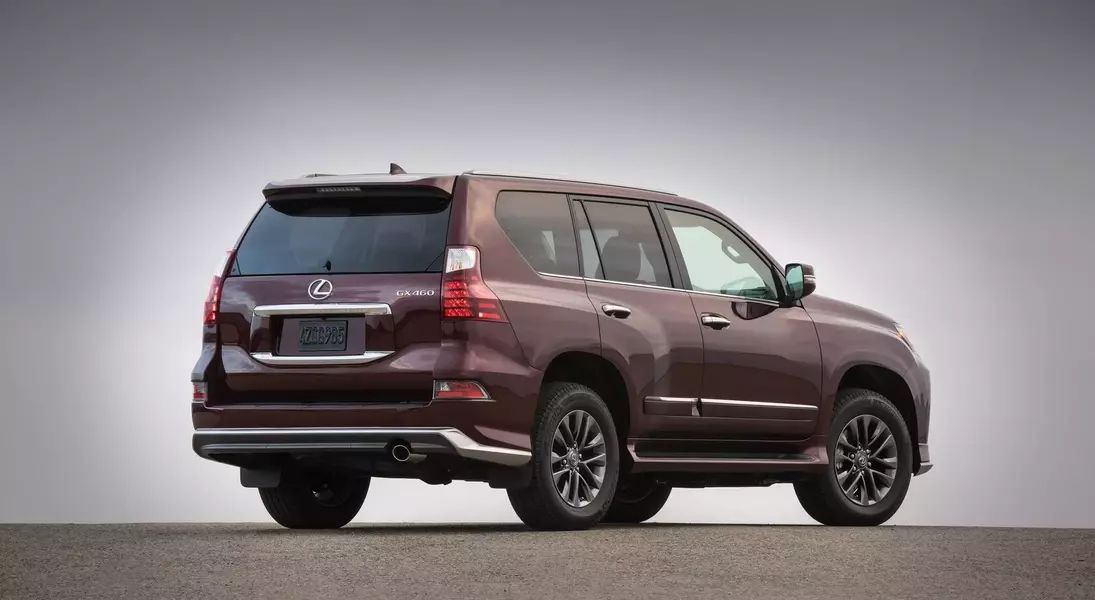
The Lexus GX and LX series represent robust luxury SUVs that consistently demonstrate high resale value, largely due to their blend of upscale features with unparalleled durability. The GX, particularly its second generation (2010–2023), stands out as a body-on-frame luxury SUV with genuine off-road capabilities, appealing strongly to the overlanding community. Its hardy V8 engine and rugged 6-speed automatic transmission contribute to its reliability and popularity. The GX's design consistency over a decade ensures readily available parts and experienced mechanics, making it a relatively simple yet highly capable vehicle, with five-year-old models retaining approximately 64% of their original value.
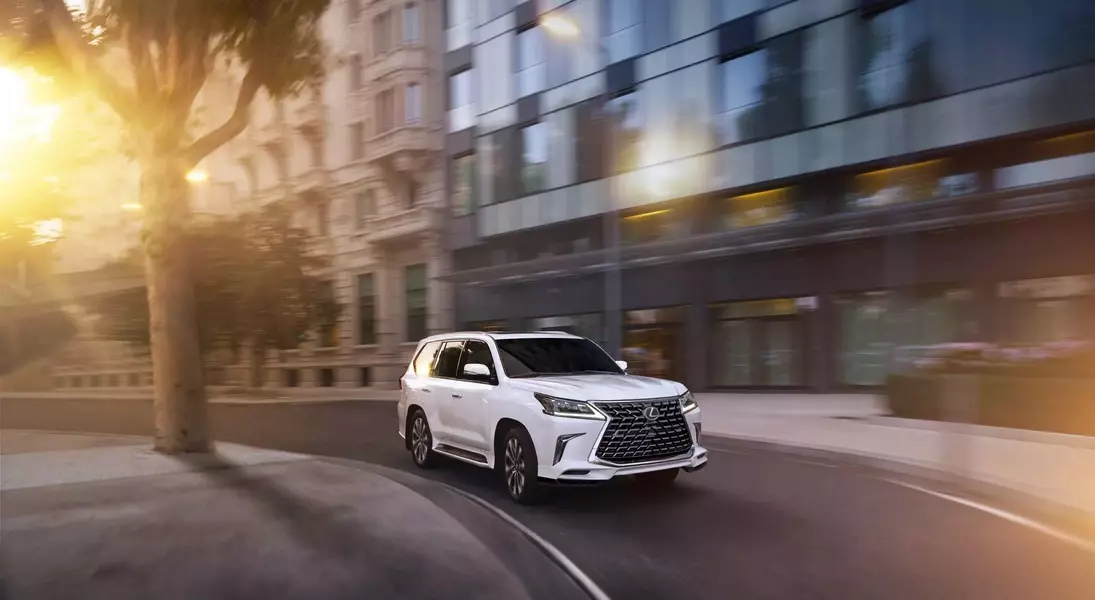
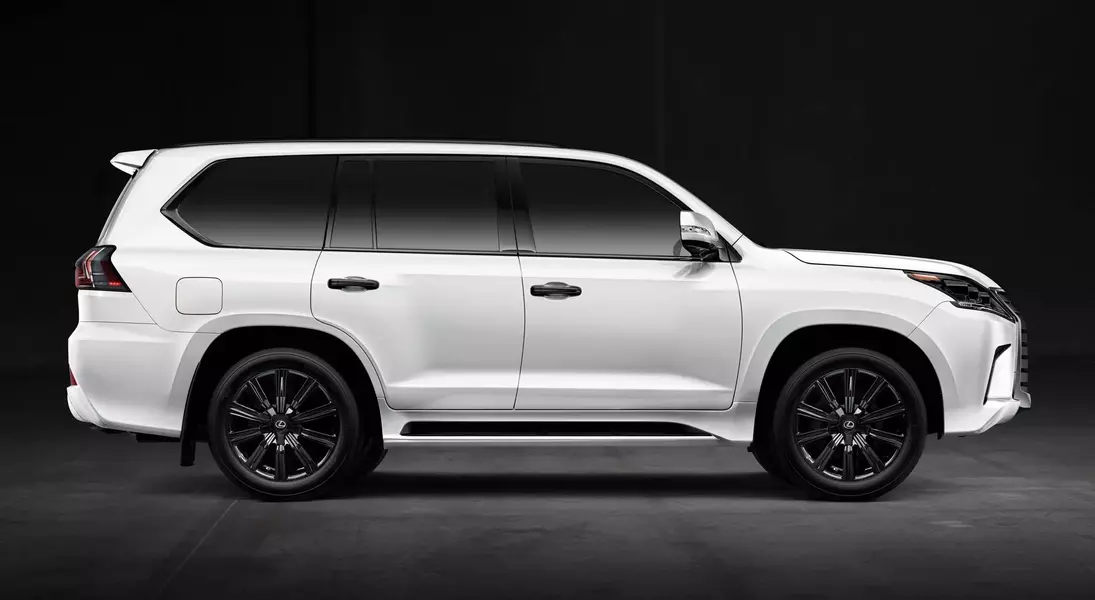
Similarly, the Lexus LX, especially the third-generation LX 570 (2008–2021), maintains exceptional resale value. Built on the formidable Toyota Land Cruiser platform, it features a powerful 5.7-liter V8 engine renowned for its longevity. The LX's strong value retention is partly due to the 2021 model being the final year of this generation, with subsequent models adopting turbocharged engines. Despite potentially higher fuel consumption and maintenance costs, the third-generation LX remains a superb SUV, expected to outlast many other vehicles on the road, with five-year-old units depreciating by only about 35.8%.
Maintained Appeal in Crossovers and Sedans: RX, NX, and IS Models
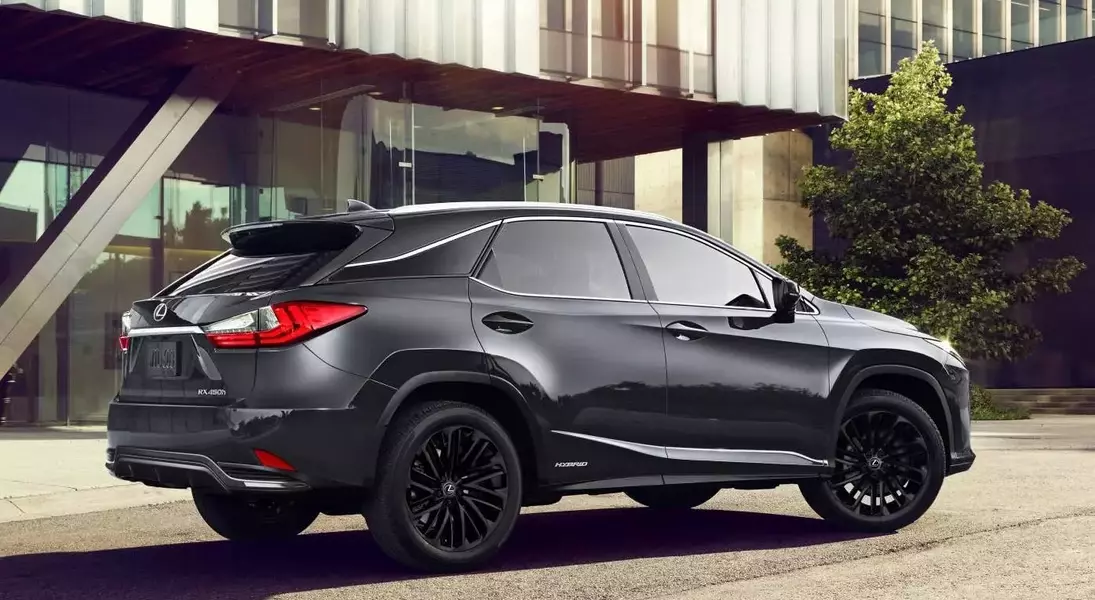
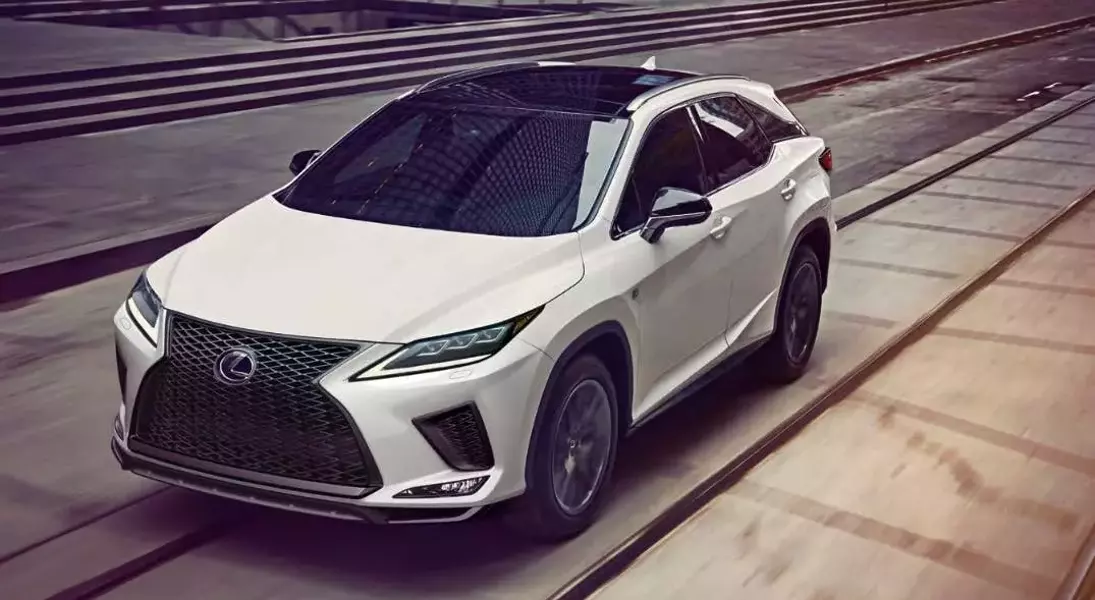
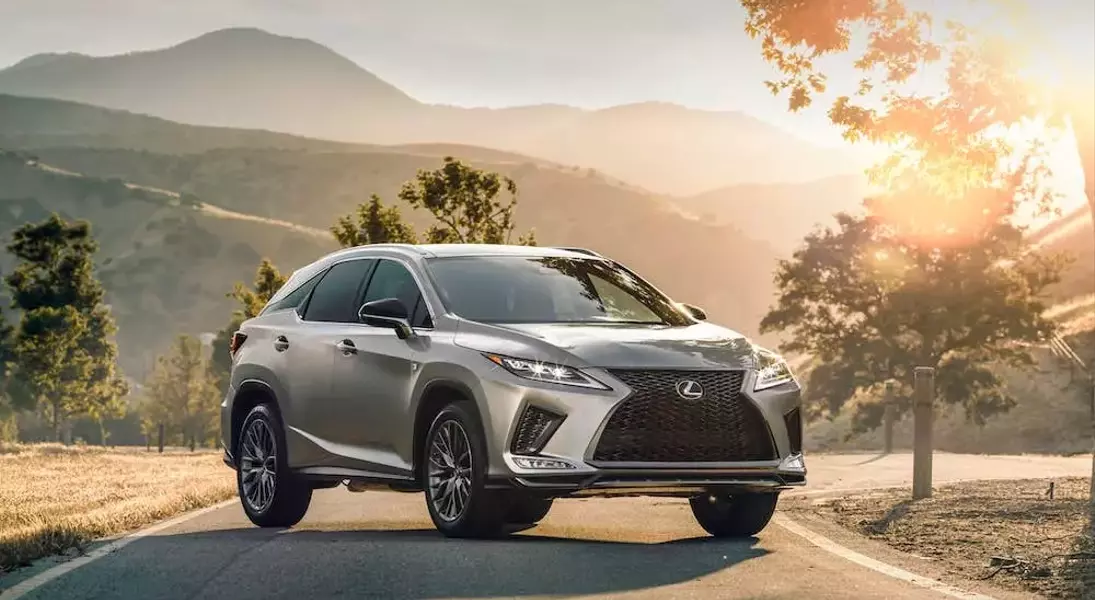
The Lexus RX and NX crossovers, alongside the IS sports sedan, exemplify how the brand's commitment to quality and owner satisfaction translates into sustained market appeal and strong resale values. The RX, Lexus's best-selling new model, also enjoys immense popularity in the used market. Its solid construction, diverse engine options, and a harmonious blend of luxury and practicality make it a low-risk luxury vehicle. Maintenance costs for the RX are often significantly lower than its German rivals, enhancing its attractiveness. The 3.5-liter V6 RX 350, known for its reliability and performance, contributes to the model's impressive 36.2% depreciation over five years for fourth-generation models (2016–2022).
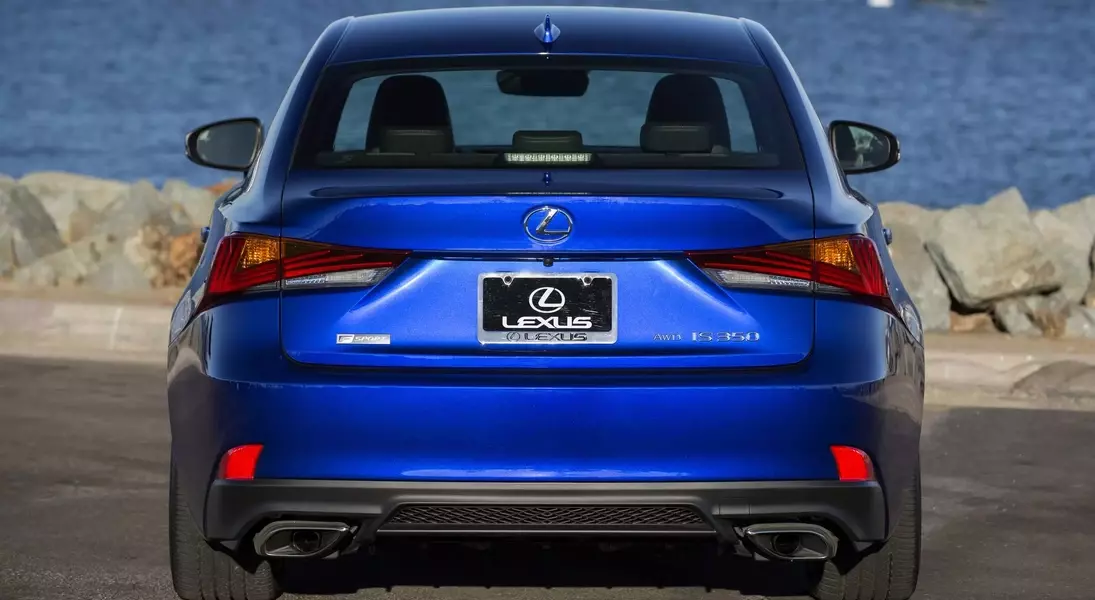
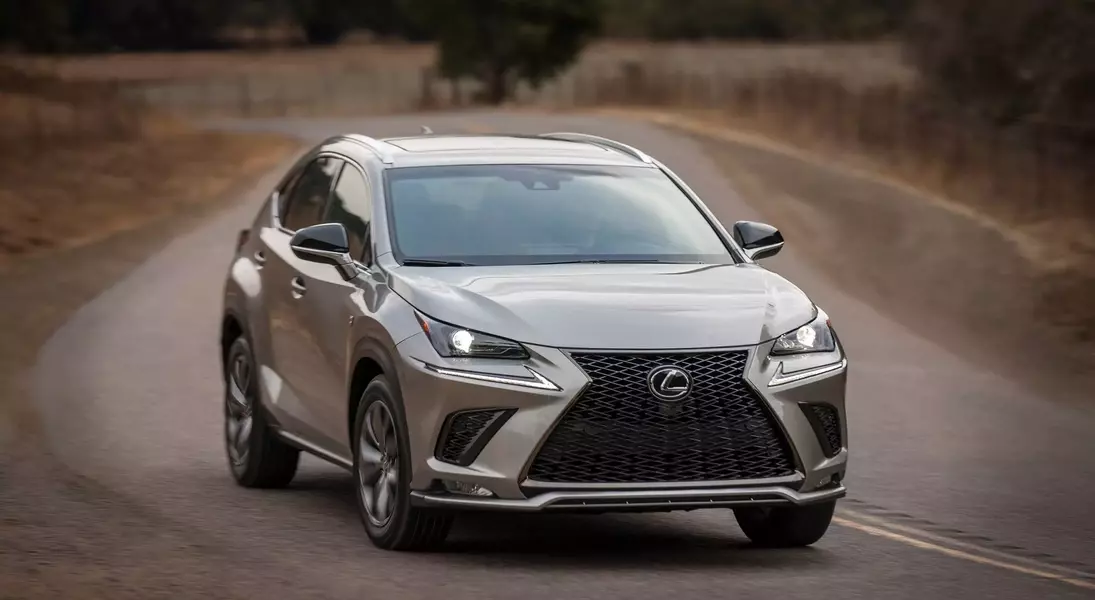
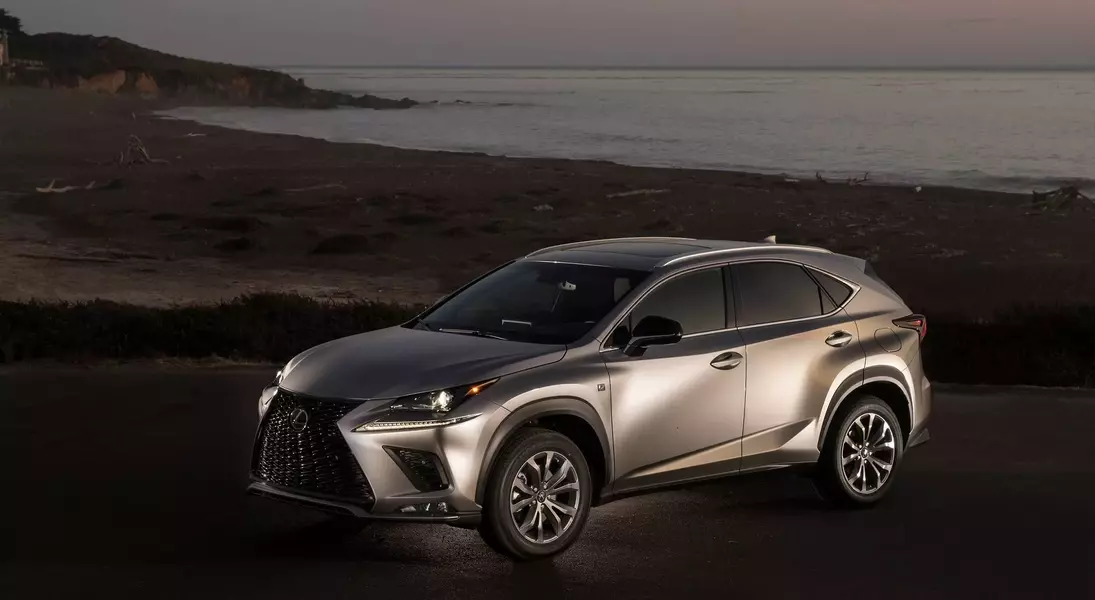
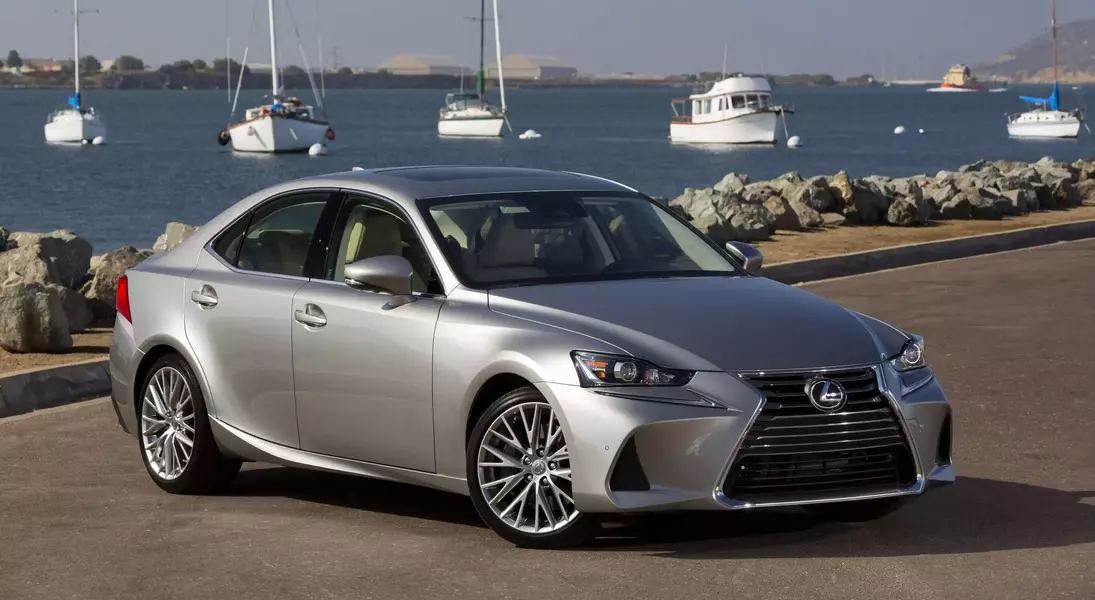
The NX, a compact luxury SUV, serves as an accessible entry point into the luxury SUV segment. The first-generation models (2015–2021), particularly the 2021 iteration, benefited from years of refinement, resolving early issues. Based on the robust Toyota RAV4 platform, the NX offers low running costs, solid reliability, and a high-quality interior that resists wear. Many used car buyers prefer its traditional interior layout with physical buttons over newer touchscreen-dependent designs. These factors result in impressive retained values, with five-year-old NX models depreciating by only 37.8%. The Lexus IS sports sedan, though a long-standing model, has remained relevant through regular updates. The 2021 model year refresh significantly improved its handling and modernized its appearance while retaining reliable powertrains. This specific model year is highly sought after, offering updated aesthetics and technology without substantial depreciation, as it lost just 39.4% of its original value over five years, further boosted by manageable servicing costs.
