
The 2020s have brought forth a distinctive collection of literature that mirrors the turbulent and often disorienting nature of our era. This period, characterized by societal shifts, global challenges, and technological advancements like AI, has inspired authors to create works that are both ambitious and deeply resonant. The ten books highlighted here are not just examples of exceptional writing but represent narratives that push boundaries, explore profound themes, and leave an indelible mark on their readers. These selections span various genres, from profound social commentaries to intricate historical accounts, thought-provoking science fiction, and innovative fantasy, all unified by their capacity to challenge perceptions and offer fresh insights into the human condition amid a surreal reality.
These literary achievements stand out for their willingness to tackle complex subjects and experiment with narrative forms. They offer a powerful reflection of the decade's spirit, demonstrating how literature continues to evolve in response to an increasingly intricate world. Each book on this curated list demands attention, inviting readers to engage with narratives that confront societal issues, historical truths, and the very fabric of existence. Whether through reimagined classics, thrilling investigations, or imaginative explorations of consciousness and power, these works provide both an escape and a deeper understanding of the turbulent times we inhabit, proving that powerful storytelling remains a crucial tool for navigating uncertainty.
Contemporary Voices and Reimagined Narratives
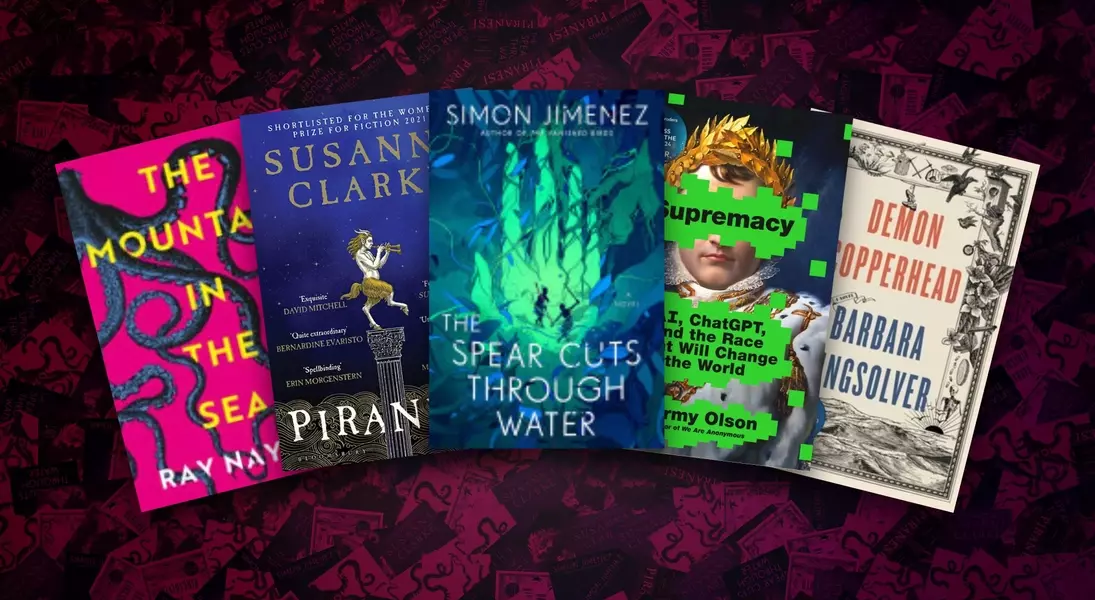
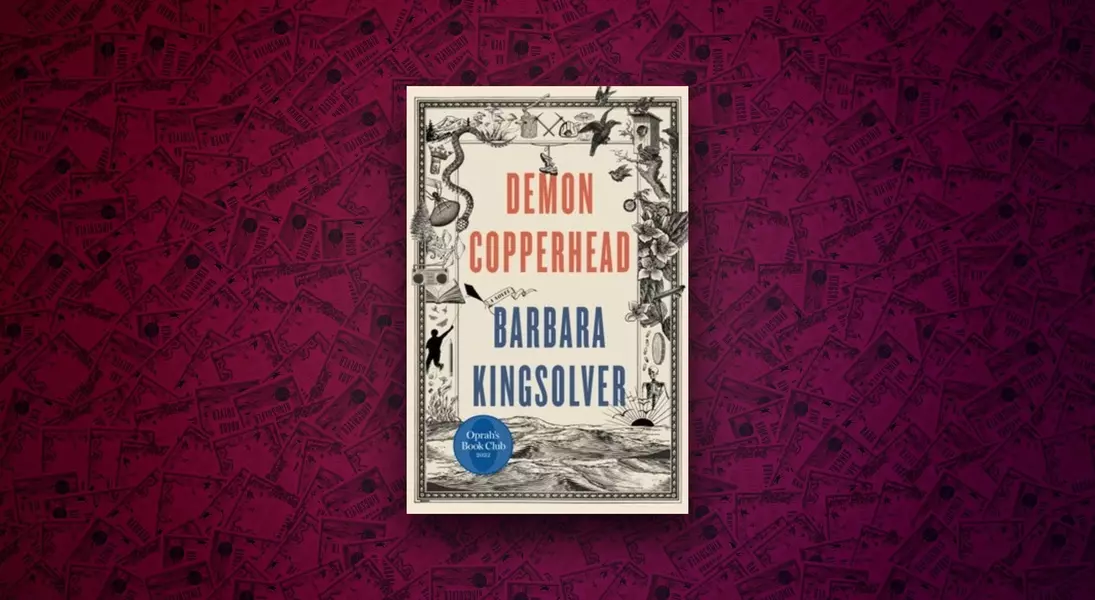
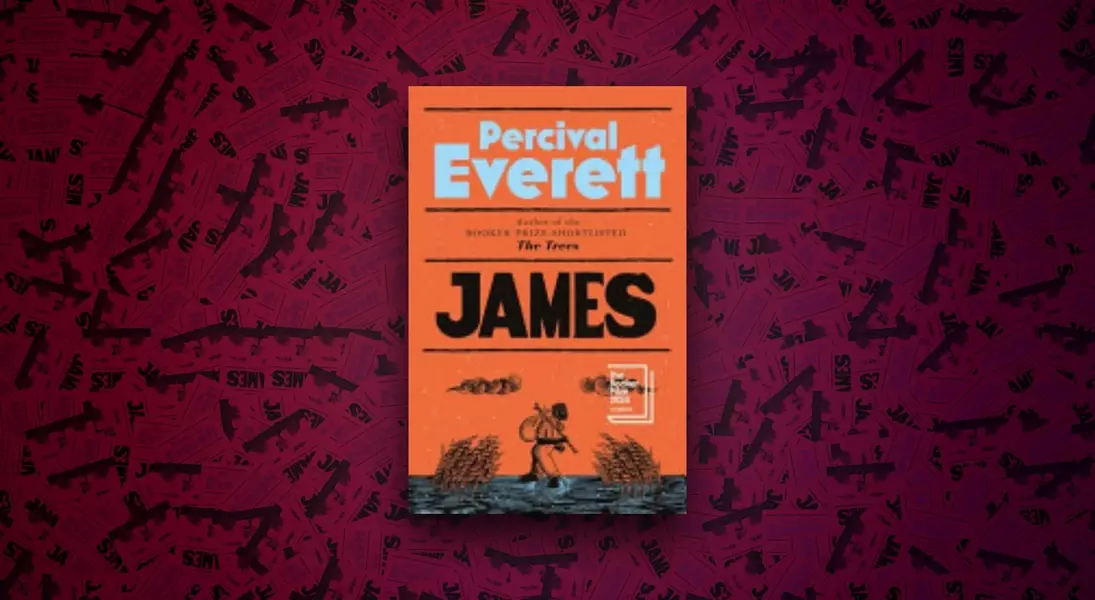
The literary landscape since 2020 has been significantly shaped by authors who courageously address modern societal issues and reinterpret classic tales through a contemporary lens. Barbara Kingsolver's "Demon Copperhead" offers a stark, yet empathetic, re-imagining of Charles Dickens's "David Copperfield," transporting its protagonist to the contemporary Appalachian setting amidst the opioid crisis and systemic failures. Kingsolver's work eschews simplistic narratives of poverty, instead highlighting her character's resilience and sharp wit against overwhelming odds. Similarly, Percival Everett's "James" subverts the established mythology of "Adventures of Huckleberry Finn" by granting Jim a voice of profound intelligence and agency, stripping away historical caricatures to reveal a calculating strategist adept at navigating a hostile world. These books serve as powerful commentaries on enduring social struggles, demonstrating how classic structures can be revitalized to confront current realities.
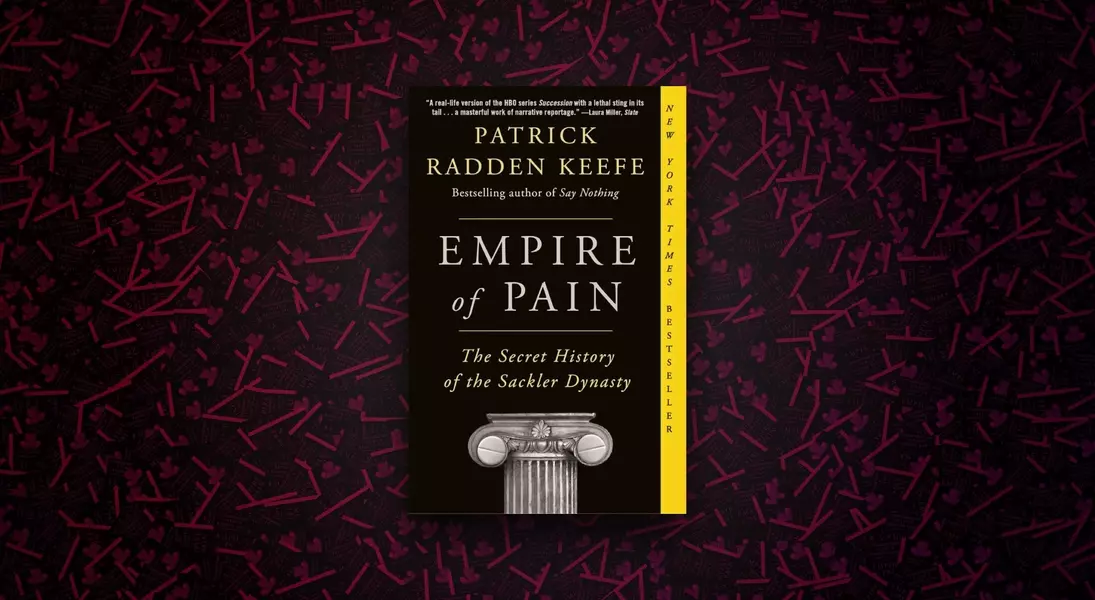
Beyond these powerful reinterpretations, the period has also seen robust investigative journalism and historical accounts that read with the intensity of thrillers. Patrick Radden Keefe's "Empire of Pain" meticulously exposes the Sackler family's role in the OxyContin crisis, dissecting corporate malfeasance and the mechanisms of regulatory capture with chilling precision. David Grann's "The Wager" transforms a harrowing 18th-century maritime survival story into a gripping psychological drama, exploring themes of mutiny and the collapse of authority. These works not only document crucial historical and societal events but also excel in crafting narratives that are both informative and captivating, shedding light on the darker aspects of power, wealth, and human endurance. They underscore literature's capacity to challenge perceptions and provide profound insights into systemic injustices.
Exploring Consciousness, Technology, and Mythic Realms
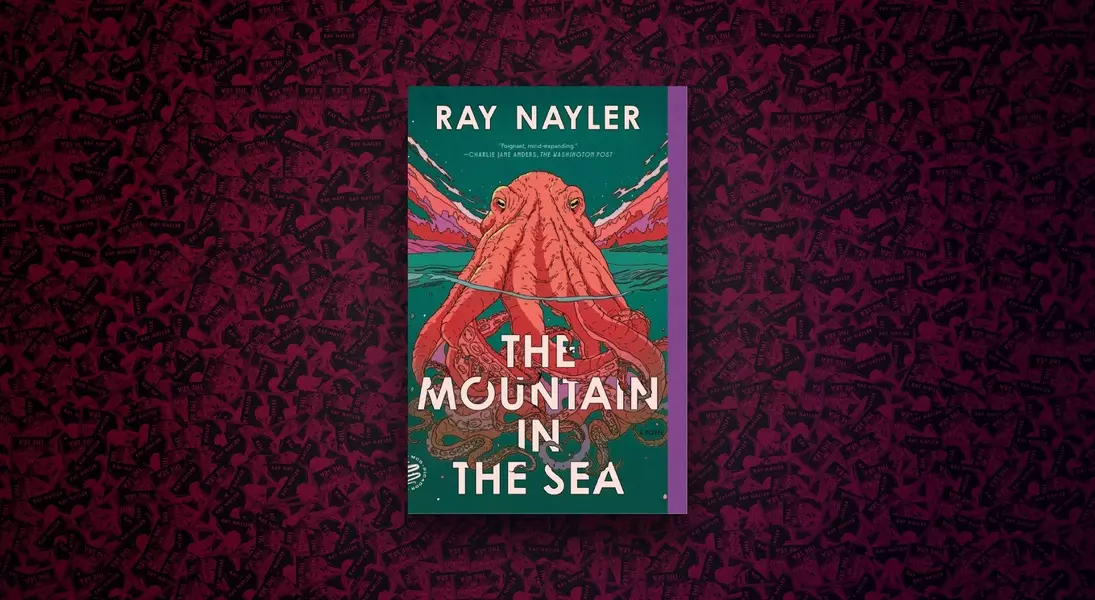
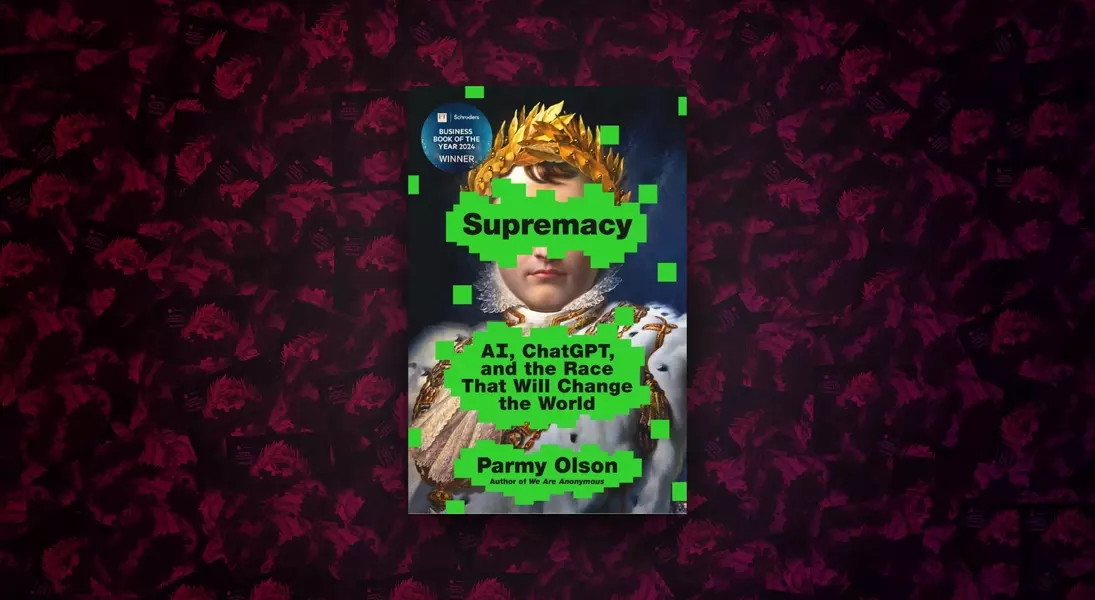
In the realm of speculative fiction, recent years have witnessed authors delving into profound questions about consciousness, artificial intelligence, and the boundaries of human understanding. Ray Nayler's "The Mountain in the Sea" presents a compelling first-contact narrative that shifts focus from extraterrestrial life to the mysterious depths of our own oceans, envisioning a hyper-intelligent octopus species with its own language and culture. This exploration is intricately woven with subplots involving neural-interface slavery and autonomous AI, challenging readers to consider the ethical implications of corporate power and the monetization of intelligence. Parmy Olson's "Supremacy" offers a timely and incisive look into the cutthroat race for Artificial General Intelligence, framing it as a corporate thriller rather than a purely technological pursuit. Olson's work highlights the human egos and ethical dilemmas driving this technological frontier, urging a critical examination of the systems currently reshaping our digital existence.
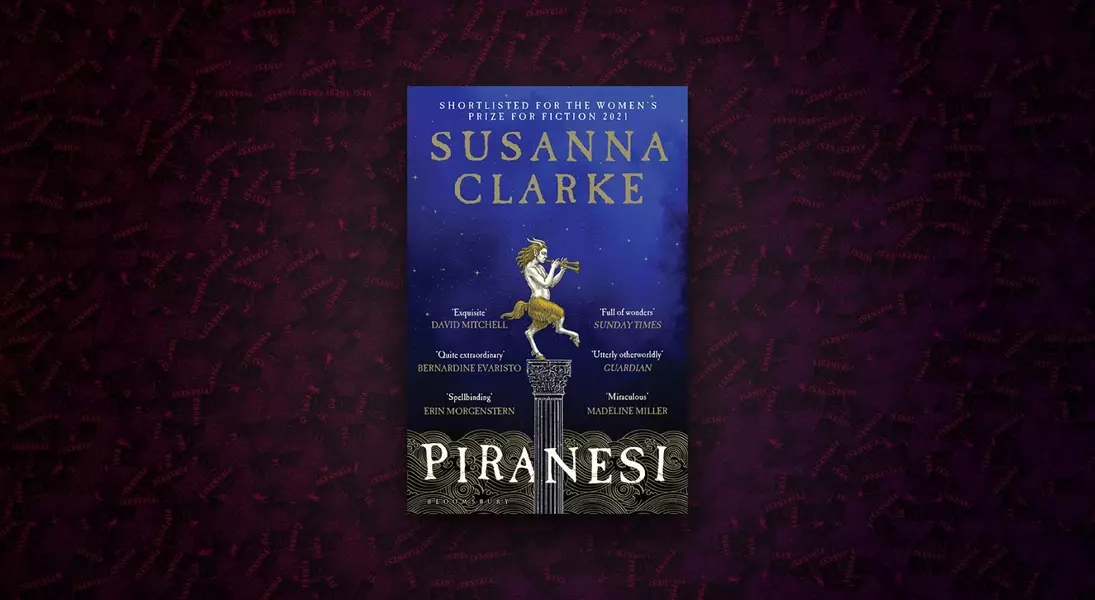
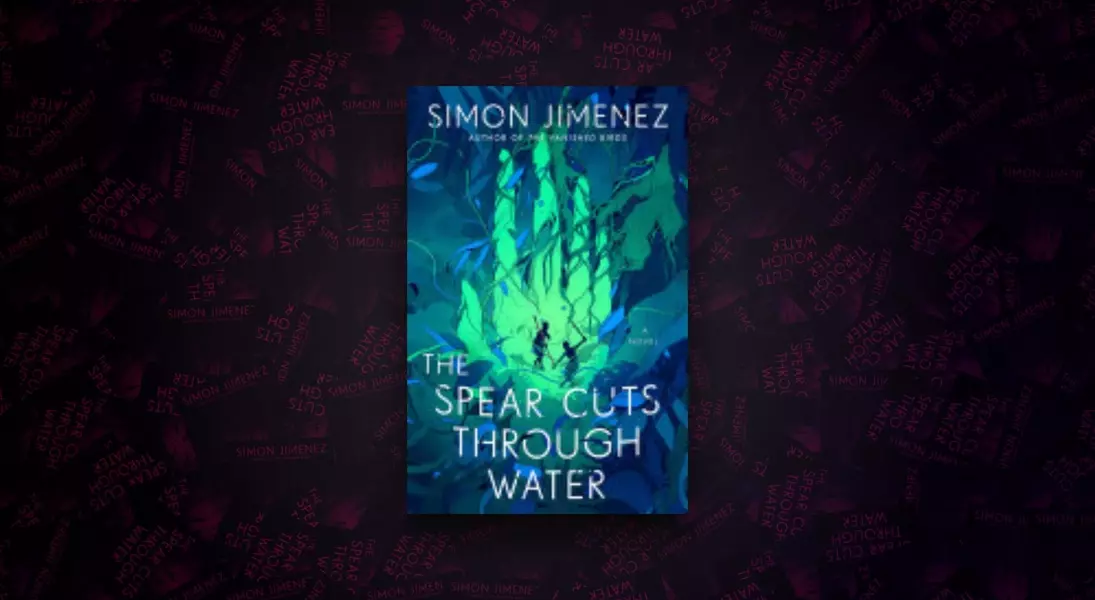
Alongside these explorations of science and technology, writers have also reimagined mythic structures and immersive environments. Susanna Clarke's "Piranesi" captivates with its atmospheric world-building, immersing the reader in a vast, labyrinthine House filled with marble statues and trapped oceans. The novel’s quiet melancholy and gradual unraveling of its central mystery offer a masterclass in creating meaning through limitation and negative space, proving how profound revelations can emerge from seemingly confined settings. Simon Jimenez's "The Spear Cuts Through Water" shatters traditional epic fantasy tropes, employing a fluid, multi-perspective narrative to tell the story of warriors escorting an escaped moon goddess across a dying empire. Its innovative structure and kinetic prose transform mythic storytelling into a dynamic, almost cinematic experience. These works, whether through atmospheric fantasy or cutting-edge science fiction, collectively push the boundaries of storytelling, inviting readers to ponder the nature of reality, consciousness, and myth in a rapidly evolving world.
