
Initially perceived as a minor release, "Tomodachi Life: Living the Dream" has surprisingly captivated a vast audience, becoming a significant success for Nintendo. This unexpected triumph stems from a decade-long legacy, with the original "Tomodachi Life" being a beloved cult classic on the Nintendo 3DS, selling over 6.7 million units. After a thirteen-year wait, fans eagerly embraced "Living the Dream," leading to impressive sales of 3.8 million copies within its first two weeks, transforming what might have been a niche title into a major player.
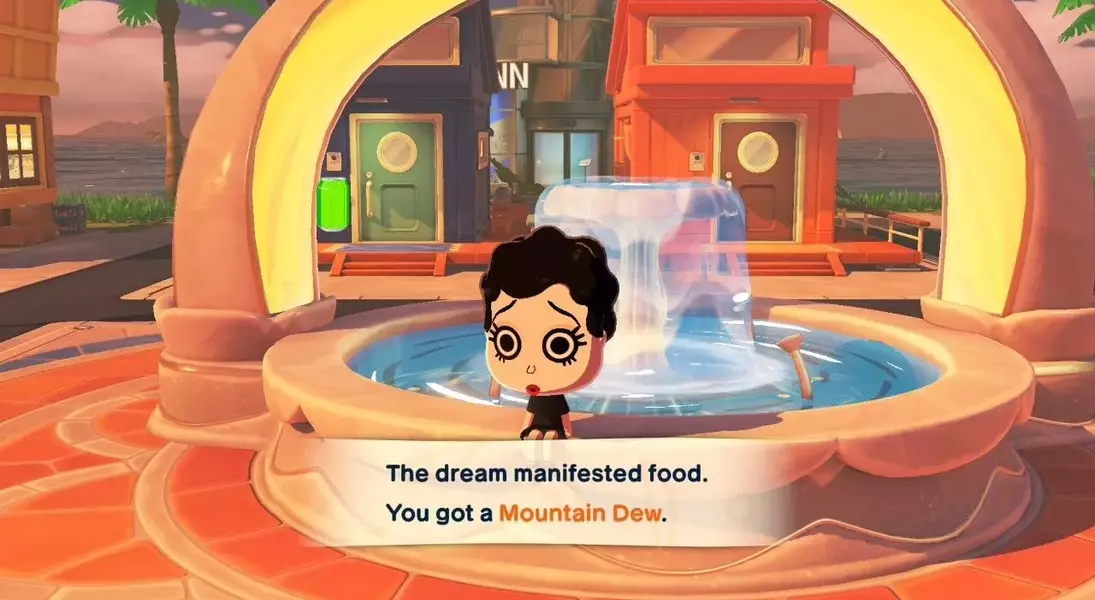
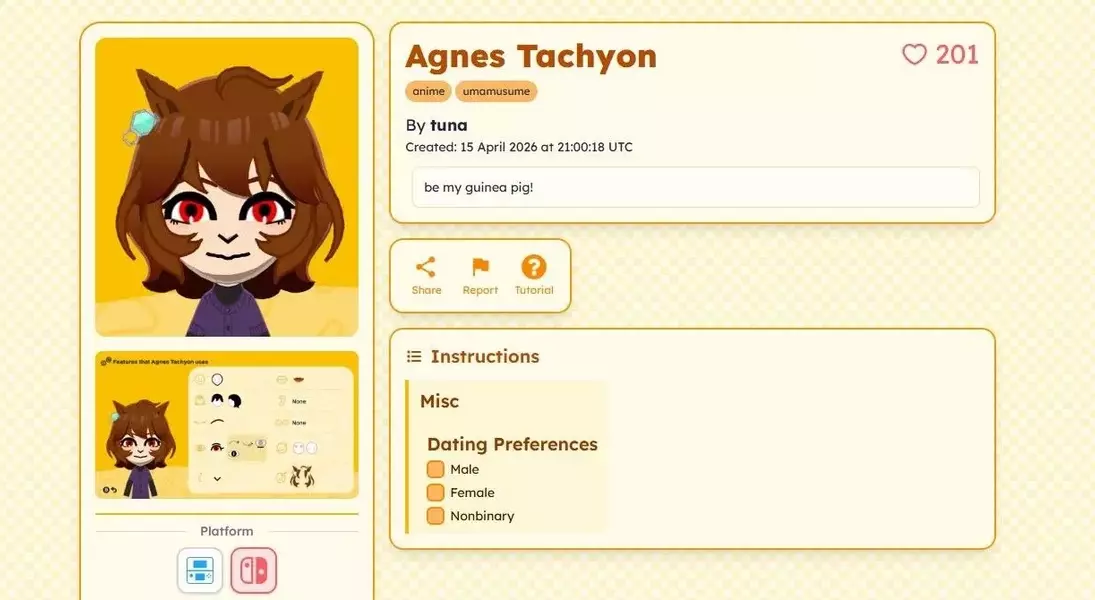
The game's core strength lies in its profound emphasis on player-driven creativity, allowing users to design characters, dictate dialogues, and customize environments, effectively becoming a digital deity overseeing their own reality show. This open-ended design has sparked a dynamic and industrious community that leverages both in-game tools and external fan-made platforms like TomodachiShare and Living the Grid to enhance their experience and share their inventive creations. From crafting elaborate Mii versions of popular characters to intricate pixel art designs, players are constantly pushing the boundaries of the game's creative suite, fostering a vibrant ecosystem of shared artistry and humor.
While some veteran players have noted the absence of certain beloved features from the original game, such as the Concert Hall and specific minigames, leading to concerns about the sequel's long-term appeal, the community's ingenuity has largely offset these limitations. The collaborative spirit has cultivated a unique meme culture, where players build on each other's humorous concepts, creating a shared language of inside jokes and creative challenges. This dynamic interaction demonstrates that even with mechanical constraints, a passionate community can transform a game into an evolving canvas for collective expression and boundless entertainment.
The vibrant community around "Tomodachi Life: Living the Dream" exemplifies the power of collective creativity and the human desire for connection. In a world increasingly shaped by digital interactions, players have forged genuine bonds and cultivated a rich, evolving landscape of humor and artistry, demonstrating that even the simplest platforms can become fertile ground for profound social engagement and endless innovation.
