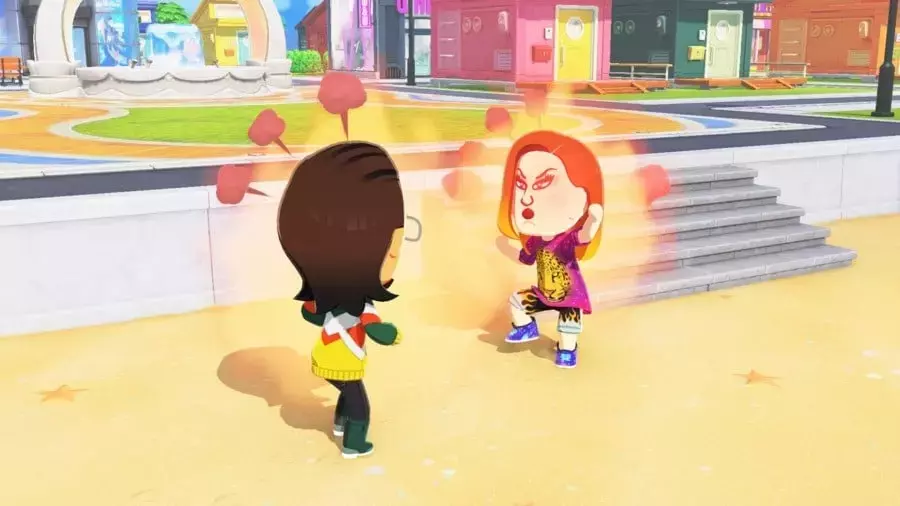
The virtual community game 'Tomodachi Life: Living the Dream' on the Nintendo Switch has captivated players, especially with its recent demo release. A surprising discovery has emerged from the demo version: the Miis, or player-created avatars, are capable of uttering a range of uncensored expressions. This unforeseen feature has quickly spread across online platforms, sparking discussions and experiments among the gaming community. Many players are finding amusement in the ability to generate unexpectedly crude or humorous dialogue from their Miis, often with comedic voice effects.
This lack of a strict content filter within the demo has prompted extensive experimentation by players. Enthusiasts on various social media platforms, including Bluesky and Reddit, have been actively sharing instances of their Miis speaking phrases typically considered inappropriate for a Nintendo title. The game's design, which includes customizable speech-to-text voices for each Mii, amplifies the humor of these uncensored utterances, creating comical and sometimes shocking interactions. Some speculate that the absence of a robust filter might be linked to the game's offline-focused sharing features, as direct online Mii sharing or image sharing capabilities are limited.
The revelation about the uncensored Mii dialogue has generated significant buzz, encouraging many to download the demo and explore this unique aspect of the game. While the game primarily offers a single-player experience with local Mii sharing options, this unexpected freedom of expression has added an intriguing layer to the gameplay. Players are now curious whether this feature will persist in the full version or if it's a temporary oversight in the demo. This development highlights the unpredictable nature of player interaction with game mechanics, particularly when boundaries are tested.
This unexpected freedom within 'Tomodachi Life: Living the Dream' demonstrates that even in a digital world, expressions of creativity can emerge from unconventional places. It reminds us that games, while providing structured entertainment, can also become platforms for spontaneous and sometimes rebellious forms of self-expression. The playful subversion of typical content expectations within a family-friendly brand fosters a sense of community and shared amusement, proving that a little bit of unexpected humor can go a long way in delighting players.
