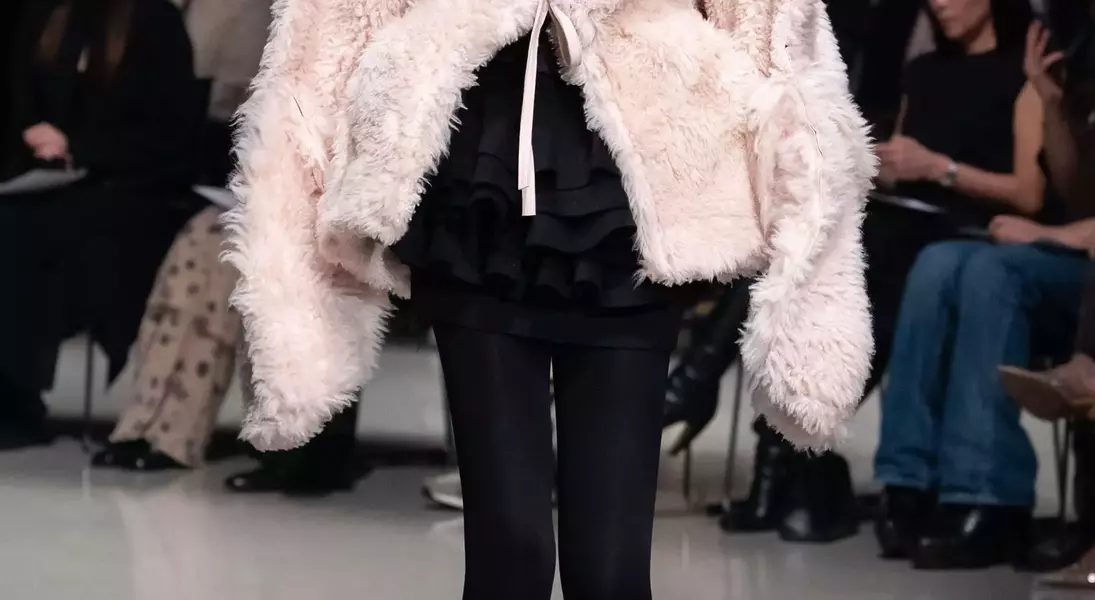
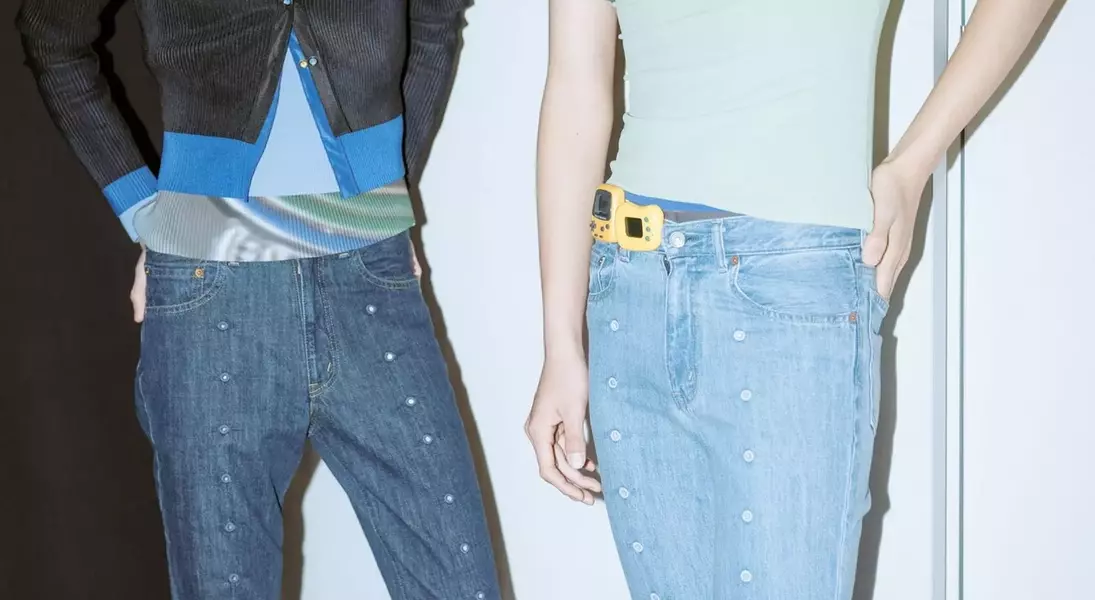
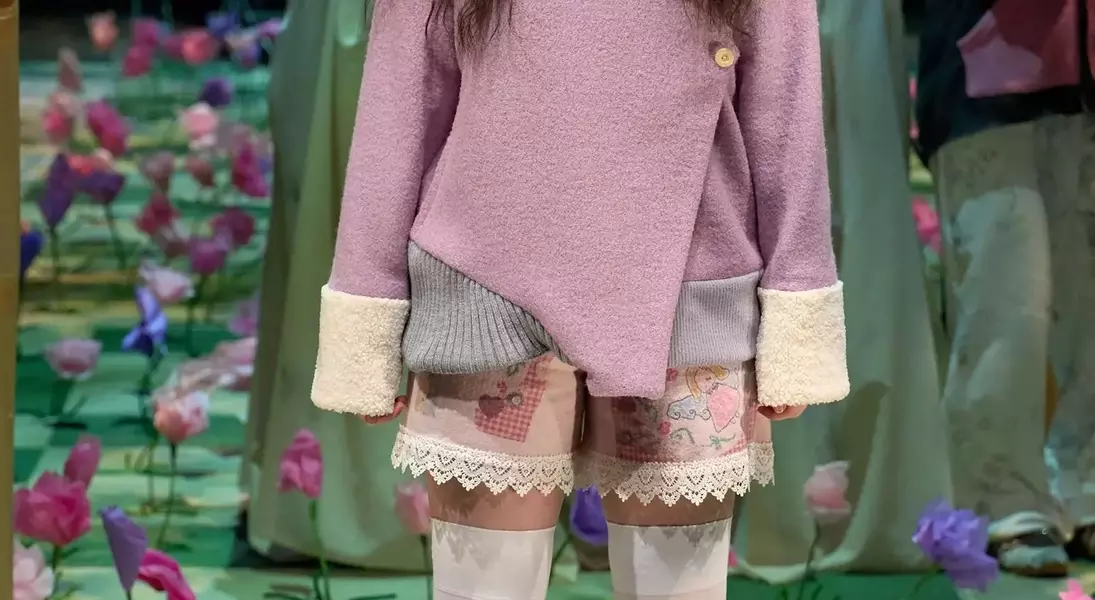
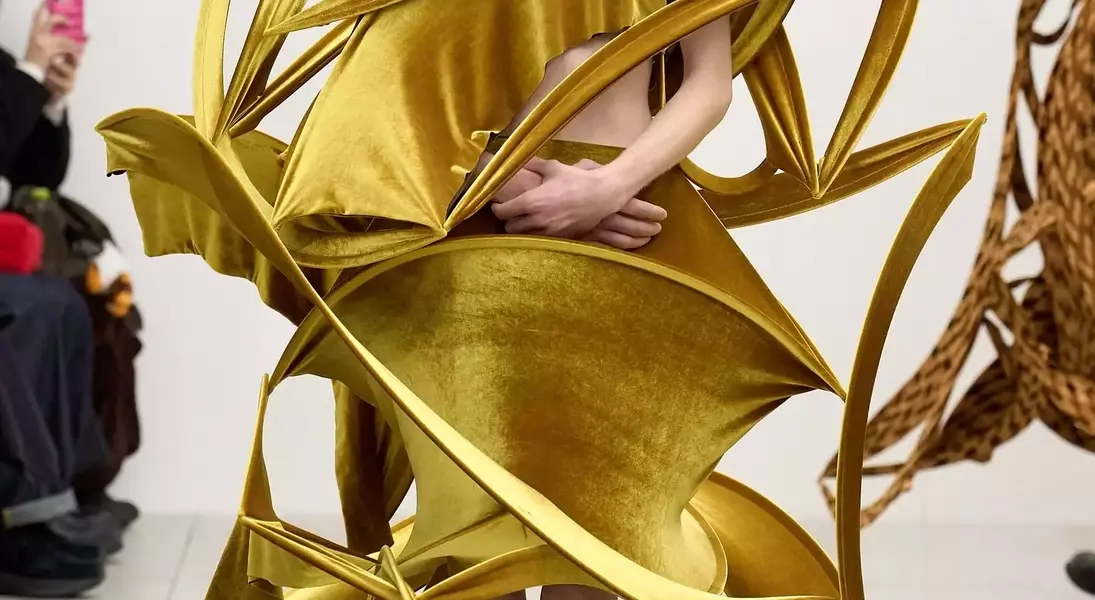
Tokyo Fashion Week for Fall/Winter 2026 proved to be a vibrant and evolving platform, bridging local innovation with a burgeoning global presence. While some established Japanese designers chose independent presentations, the official schedule adeptly spotlighted emerging talents, bolstered by prestigious awards and an influx of international guests and brands. The event underscored the Japan Fashion Week Organization's (JFWO) commitment to cultivating the nation's fashion landscape, extending its influence beyond the confines of the week itself. The blend of unique design philosophies and commercial viability attracted diverse buyers, solidifying Tokyo's role as a significant hub for discovering fresh, impactful fashion.
Tokyo Fashion Week Unveils Future Trends and Global Connections
The recent Tokyo Fashion Week for Fall/Winter 2026, which concluded on Saturday, saw a notable increase in physical showcases, with 33 presentations compared to 32 in the previous Fall/Winter 2025 season and 25 in Spring/Summer 2026. This growth signifies JFWO's continued investment in expanding the event's reach and impact. Despite the absence of some well-known Tokyo-based designers like Fetico and Keisuke Yoshida, who opted for independent showcases due to demanding production schedules, the week maintained a dynamic energy.
A key strategy for filling these scheduling gaps was a greater reliance on fashion awards. The Tokyo Fashion Award (TFA) played a crucial role, providing eight annual recipients with financial grants of JPY 1 million (approximately $6,300) and opportunities to host showrooms during Paris Fashion Week. Kaoru Imajo, director of JFWO, expressed enthusiasm for the energy brought by these award-winning designers. Among them were Kakan Kudo, celebrated for avant-garde knitwear; Kotoha Yokozawa, who captivated with a lively collection of brightly colored cutout pieces; and Mukcyen by Yuka Kimura, whose gothic, Marie Antoinette-inspired designs offered a strong conclusion to the week. Another highlight was Yoke, winner of the Fashion Prize of Tokyo, whose elegant womenswear collection by Norio Terada inaugurated the week. Yoke's strategic decision to also present menswear off-schedule in Paris in January successfully broadened its international appeal, leading to 10 new stockists this season, including prestigious retailers like Harrods in London and Venn Space in New York, bringing their global stockist count to 32.
The central venue for TFA winners, the vast upper floors of the Shibuya Hikarie mall complex, presented both a challenge and an opportunity for designers. Jonathan Lee, a Hong Kong-based fashion consultant, noted the limitations of the space but also praised designers who ingeniously transformed it. Kotohayokozawa converted the area into a vibrant street scene with traffic bollards and food trucks, while Yushokobayashi crafted an immersive underworld using paper flowers and cardboard trees, inspired by the myth of Orpheus and Eurydice.
Beyond the Hikarie, other memorable moments unfolded. Mikio Sakabe's immersive haunted house experience in Tokyo Bay, featuring models in "kawaii" clothing, was lauded by Blake Abbie, editor-in-chief of A Magazine Curated By, as a uniquely Tokyo phenomenon. Kohei Hashimoto, a buyer for Isetan’s Restyle section, highlighted the season's increased commercial appeal, citing Yohei Ohno’s elegant sweaters and shirts as examples of balancing creativity with wearability. Sunny Luk, associate merchandising director at I.T Hong Kong, echoed this sentiment, emphasizing the high wearability and strong sell-through of Japanese brands, a factor that has improved customer awareness, especially with more visitors coming to Japan. Jonathan Lee also underscored the superior quality, reliable delivery, and excellent fit of Japanese garments for a diverse Asian customer base globally.
The artistic pinnacle of the week was Ryunosuke Okazaki's first runway show in four years. Known for his wearable, exoskeleton-like sculptures showcased in prominent art institutions worldwide, Okazaki’s presentation hinted at a new direction towards ready-to-wear, leaving a strong impression on attendees like Abbie.
Tokyo Fashion Week is also increasingly attracting international attention as a platform for discovering new talent. Christelle Cagi Nicolau, head of emerging brands at the Fédération de la Haute Couture et de la Mode (FHCM), attended for the first time in 15 years, signaling a growing interest in Japanese designers who often aspire to show in Paris. Luk, from I.T, also views Tokyo as a crucial space for identifying unique brands that might be overlooked in the bustling Paris schedule. This allows buyers like him more time to deeply engage with and understand brand narratives, reinforcing their purchasing decisions.
For domestic buyers like Isetan's Hashimoto, Tokyo Fashion Week provides an invaluable opportunity to explore adventurous local designs, confident in the Japanese market's openness to new brands. This season also marked a significant international presence beyond the front row, with designers like Guangzhou-based Yueqi Qi and French brand Agnès B showcasing their collections. The Run x Andam showroom introduced visiting designers such as Burc Akyol, Saul Nash, and Alain Paul, whose runway show highlighted Tokyo’s growing significance. Paul, a recipient of the 2025 Andam Special Prize, aims to expand his brand in Japan, recognizing its importance as a market. London-based Nash also found the week an opportunity to re-engage with Japanese contacts, especially after challenges posed by Brexit and the weak yen.
The Berlin Showroom, a delegation from the Fashion Council Germany (FCG), hosted two events, introducing German fashion talents like Kasia Kucharska (3D printing and latex) and Milk of Lime (natural dyes) to the Japanese market. This initiative reflects a strategic shift by FCG towards Asia, recognizing its openness and knowledge in fashion. This increasing influx of Western designers further cements Tokyo’s status as a global fashion platform. Imajo expressed satisfaction with this trend, reiterating JFWO's mission to enhance Japan's fashion industry as a whole, irrespective of whether designers participate in the official schedule or choose independent timings.
This season's Tokyo Fashion Week highlights a dynamic shift towards a more inclusive and internationally connected fashion landscape. By embracing emerging talents, fostering global partnerships, and adapting to evolving industry dynamics, Tokyo is not only strengthening its own fashion identity but also solidifying its position as a vital global player. This journey underscores a forward-thinking approach, ensuring that the essence of Japanese design innovation continues to resonate with a worldwide audience.
