Explore the fascinating world of Thai desserts, where ancient traditions meet modern culinary artistry. This journey uncovers the unique flavors and techniques that define Thailand's sweet offerings, from street food staples to high-end patisserie.
Savor the Sweet Symphony: Thailand's Dessert Delights
Discovering Traditional Thai Sweets: The Art of Taro Dumplings
Embark on a culinary adventure at a renowned cooking school in Phuket Town, where the secrets of traditional Thai desserts are unveiled. Here, participants learn the intricate process of crafting taro dumplings, a classic sweet treat. The preparation involves steaming and mashing taro, then blending it with a unique combination of glutinous rice flour, regular rice flour, arrowroot flour, and coconut milk to form the dough. A crucial tip for perfect dumplings is to keep them small to ensure a tender texture rather than a chewy one. Once boiled until they float and then cooled in ice water, these delightful spheres are ready to be immersed in a fragrant coconut milk sauce, infused with pandan leaves, palm sugar, and a touch of salt, before fresh coconut is added for a final flourish.
Phuket's Architectural Charm and Culinary Influences: The Portuguese Legacy in Desserts
Phuket Town, a place of historical significance, showcases a rich blend of architectural styles influenced by centuries of trade and cultural exchange. The 16th-century arrival of the Portuguese left a lasting impact, evident in the vibrant Sino-Portuguese buildings adorned with intricate Chinese-imported tiles. This historical backdrop sets the stage for exploring the island's unique dessert culture. While small egg custard tarts, reminiscent of the Portuguese pastel de nata, are a breakfast staple, their true origin lies in a hybrid creation by a British baker in Macau, blending Portuguese and English styles to create a richer, more decadent treat that's impossible to resist.
Modern Interpretations: Elevated Mango Sticky Rice and Innovative Chocolate Creations
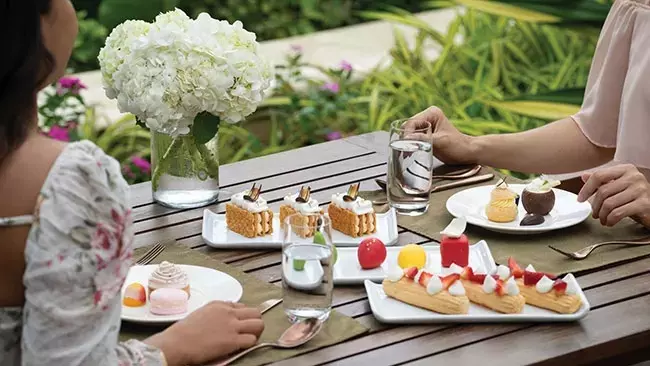
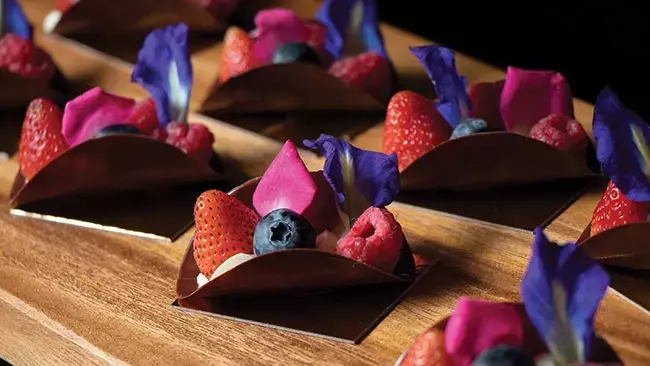
In the quieter luxury of Surin Beach, a contemporary take on classic Thai desserts caters to international palates. The beloved mango sticky rice receives an artistic upgrade, presented on a raised platform with precisely sliced mangoes, coconut gel, edible blossoms, and sunflower seeds for added texture. The sticky rice, steamed in banana leaves and corn husks, is served alongside a separate dish of sweetened coconut milk, allowing for personalized enjoyment. Meanwhile, at the Four Seasons Hotel in Chiang Mai, a burgeoning local chocolate industry inspires an exquisite Chocolate Afternoon Tea. Executive Pastry Chef Yanisa Wiangnon emphasizes the use of locally sourced Thai chocolate, celebrating its unique flavors and supporting local farmers. Highlights include a chocolate mousse with blackberry caviar, featuring tiny pearls that burst with flavor, and a strawberry rhubarb white chocolate dessert, balancing sweetness and tanginess with slow-cooked rhubarb and creamy white chocolate.
Embracing Local Flavors: New Horizons in Thai Pastry
Beyond the innovative chocolate tea, the Four Seasons pastry team actively integrates an expanding array of local ingredients into their dessert menu. A notable example is the Khao Mak, a fermented rice cheesecake, which reimagines a traditional favorite by pairing it with tart raspberries and the aromatic essence of Thai-grown vanilla. Other indigenous ingredients like Som Gliang, a tangy sour orange from Lampang province, and Phulae, a sweet baby pineapple from Chiang Rai, further enrich the culinary offerings. This dedication to local produce not only enhances the dining experience but also tells a compelling story of Thailand's diverse culinary landscape and its continuous evolution.
