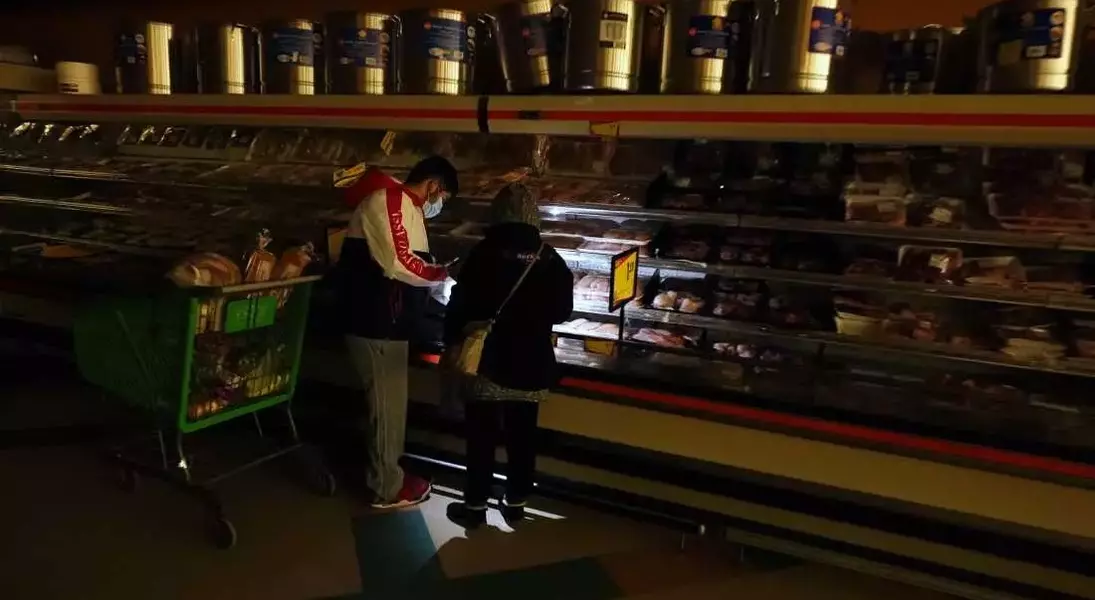
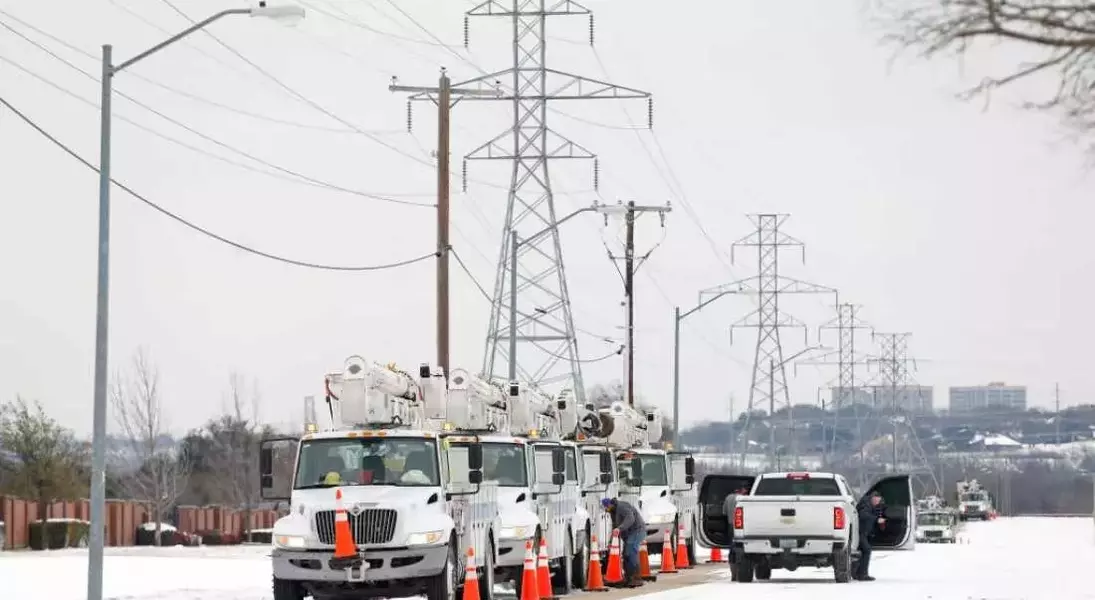
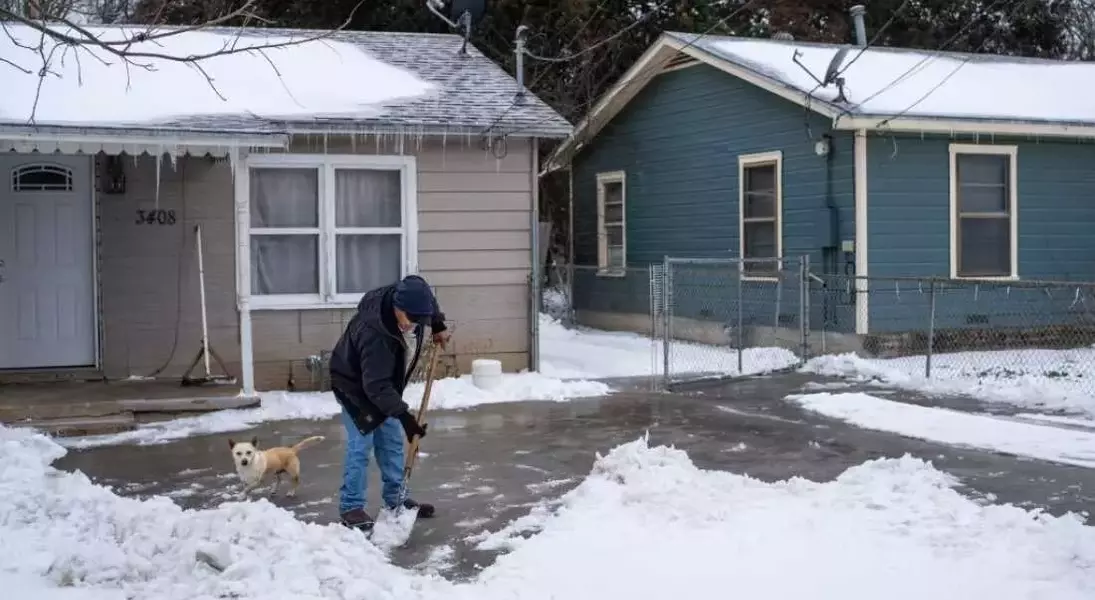
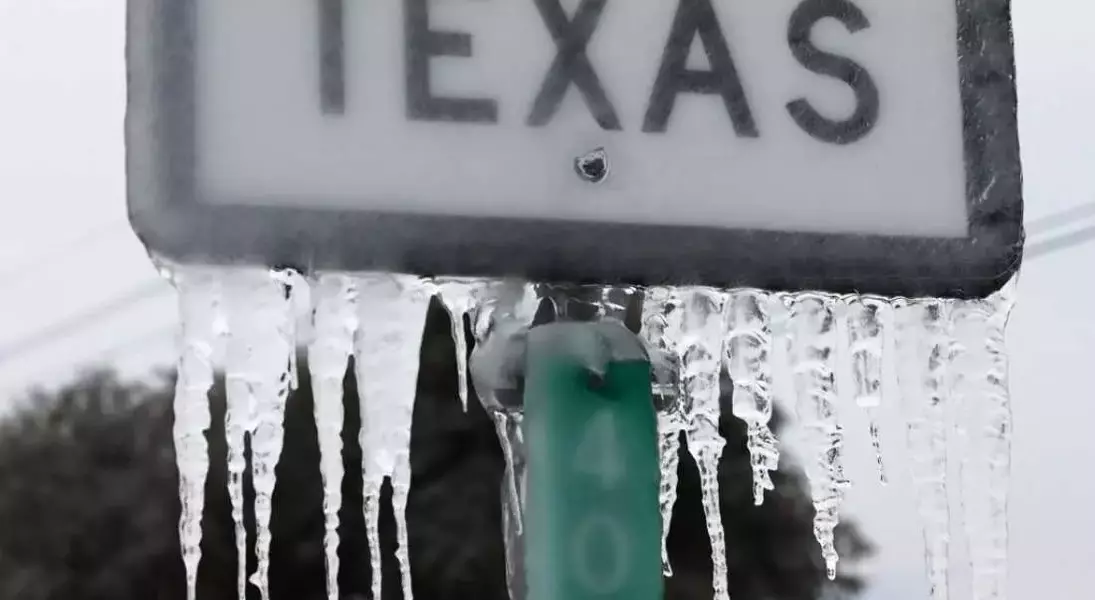
Five years ago, Texas experienced a catastrophic winter storm that left millions without power and heat, resulting in a significant loss of life and billions in damages. Sade Hogue, then five months pregnant, recounted the fear and uncertainty as her family's power failed, forcing them to seek refuge with relatives, only to have their temporary haven also lose electricity. This experience highlights the deep-seated anxiety that still grips many Texans when severe cold weather approaches, driving them to take extensive preparatory measures.
Since the 2021 disaster, Texas, with its largely independent power grid, has undertaken considerable reforms to bolster its energy infrastructure. The state has enacted stricter weatherization regulations for energy facilities, including power plants and natural gas operations, which were previously vulnerable to extreme cold. Additionally, there has been an expansion in electricity storage solutions, such as batteries, and a notable increase in the adoption of renewable energy sources. These measures were put to the test during a recent cold snap in late January, which, despite causing some fatalities, did not lead to widespread power failures, demonstrating the positive impact of the implemented changes and emphasizing a "reliability-first" approach to grid management.
Despite the progress, significant challenges remain for Texas's energy system. The state continues to face escalating energy demands driven by population growth, new data centers, and cryptocurrency mining operations. Experts like Beth Garza, an energy consultant, point out that identifying and addressing vulnerabilities in the grid is an ongoing process that often requires real-world tests. Furthermore, University of Houston Energy Fellow Ed Hirs suggests that the current market structure may not sufficiently incentivize power plant operators to ensure adequate energy production and resilience, indicating that economic factors play a crucial role beyond mere weatherization mandates. The memory of the 2021 blackouts continues to influence Texans' behavior, compelling them to proactively prepare for future cold events, underscoring the enduring need for vigilance and continuous improvement in energy infrastructure.
The journey of strengthening the Texas power grid after the 2021 winter storm reflects a powerful narrative of resilience and adaptation. It demonstrates that even in the face of immense challenges, determined efforts can lead to meaningful progress. By investing in robust infrastructure, implementing forward-thinking policies, and embracing innovative energy solutions, we can cultivate a more secure and sustainable future for everyone. This ongoing commitment to improvement not only protects communities but also inspires confidence that through collective action and foresight, we can overcome adversity and build a stronger, more reliable society.
