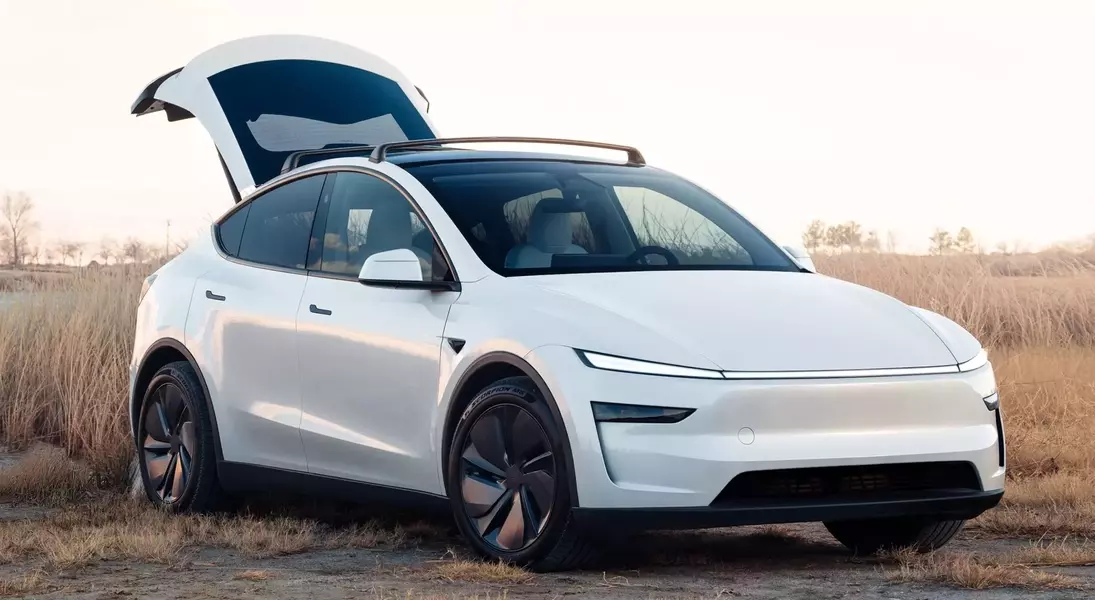
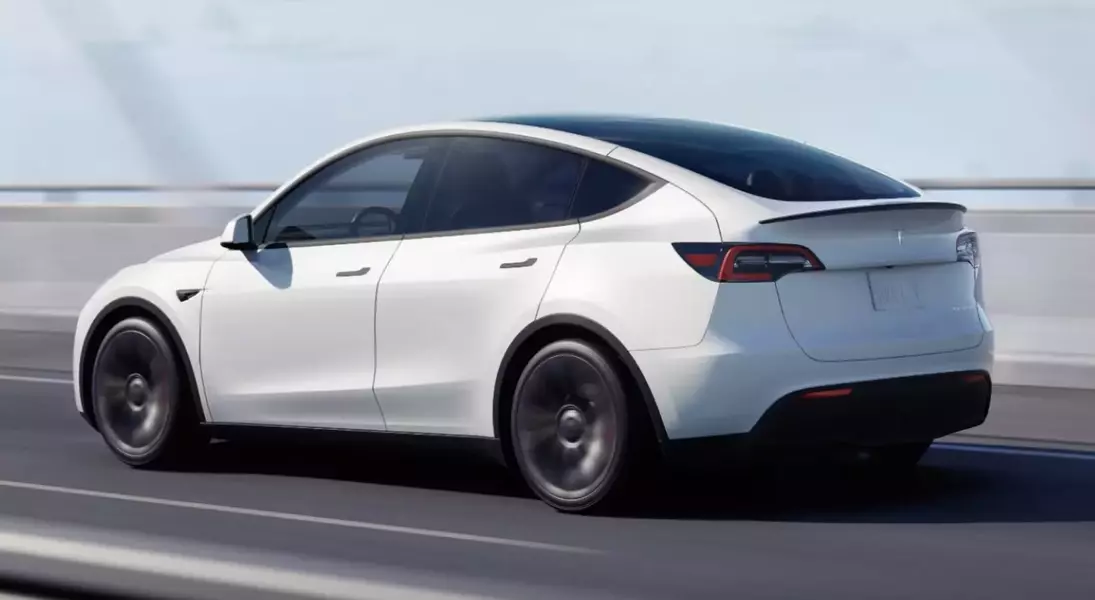
Tesla is embarking on a strategic transformation to introduce a more budget-friendly electric vehicle by re-engineering its popular Model Y. This initiative comes as a response to the prevalent barrier of affordability in the EV market, aiming to broaden the accessibility of sustainable transportation solutions. By focusing on smart design modifications and leveraging advanced battery technology, Tesla seeks to deliver a compelling electric vehicle experience at a lower price point, potentially reshaping consumer perceptions of EV ownership.
Unlocking Affordability: Tesla's Blueprint for a Cost-Effective Model Y
Musk's Vision: The Accessible Model Y Revealed
During a recent investor briefing, Elon Musk confirmed that Tesla's forthcoming affordable electric vehicle will be a simplified version of the Model Y. This announcement clarifies long-standing speculation about a new, entry-level Tesla, now identified as a variant of their best-selling crossover, scheduled for high-volume production in the latter half of 2025. Musk emphasized that the primary challenge for potential buyers is financial, stating, \"The desire to purchase the car is extremely high; the only constraint is sufficient funds in their bank accounts.\"
From Concept to Reality: The Evolution of Tesla's Entry-Level EV
The concept of an economical Tesla has been a topic of discussion for years, initially projected as the \"Model 2\" with an approximate price tag of $25,000. This model was intended to debut on an entirely new platform, potentially featuring a design influenced by the Cybertruck. However, plans shifted, with the company opting to repurpose the Model Y platform for cost efficiencies. This strategic pivot aims to deliver affordability by optimizing existing designs and production processes, rather than developing a completely new vehicle from the ground up.
Community-Driven Innovations: Insights from Enthusiasts
To understand how Tesla might achieve this cost reduction, we explored perspectives from the fervent community of electric vehicle enthusiasts. Many suggested downgrading non-essential premium features. Proposed changes included replacing upscale interior materials with more economical fabrics, integrating manual seat and door controls, and utilizing standard plastic wheel covers. Further suggestions involved simplifying audio systems, opting for less advanced exterior lighting, and removing the HEPA air filtration system and rear seat displays, a feature introduced in the 2024 Model Y refresh. One unconventional idea even proposed omitting the central infotainment screen, relying instead on smartphone integration for display functions—a radical departure given Tesla's software-centric approach.
Technological Streamlining: The Impact on Autonomous Capabilities
The potential for cost-cutting extends to the vehicle's technological components. Discussions arose about reducing the number of cameras from the current eight, prompting questions about the implications for Tesla's Full Self-Driving (FSD) and Autopilot systems. The dilemma lies in balancing cost savings with the integrity of autonomous driving features, as scaling back sensors or processing power could affect the performance and safety of these advanced systems.
Battery Advancements: The Core of Affordability
A crucial area for cost optimization is the battery, typically the most expensive component in an electric vehicle. Tesla's current affordable models already incorporate Lithium Iron Phosphate (LFP) battery chemistries, predominantly sourced from Chinese manufacturers. The recent commencement of LFP cell production at Tesla's Nevada facility suggests that the new, more affordable Model Y will likely leverage these in-house produced batteries, marking a significant step towards vertical integration and further cost control.
The Public's Skepticism: Can Tesla Deliver?
Despite the strategic measures, many observers remain skeptical about Tesla's ability to significantly lower the Model Y's price. The sentiment among commenters is that the current Model Y is already quite minimalist, leading to concerns that further stripping down could compromise its appeal. There's a prevailing question about how Tesla will achieve substantial price reductions without sacrificing crucial features or perceived value, especially in a competitive market where other manufacturers like Slate, GM, and VW are also working on developing more affordable compact EVs.
