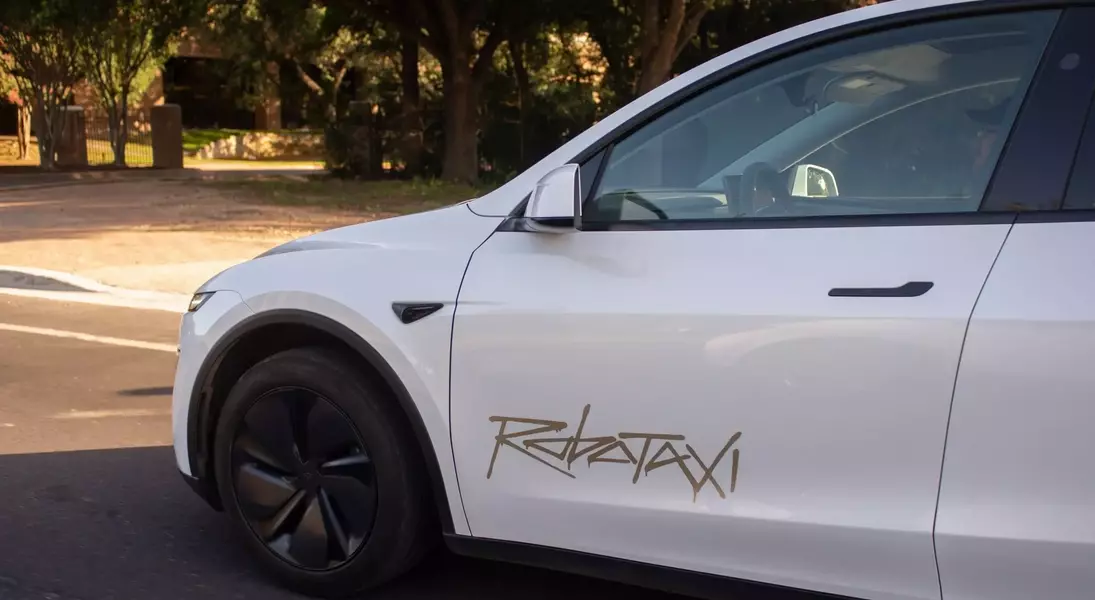
Tesla's recent foray into the ride-hailing market in San Francisco has sparked discussion, particularly regarding the nomenclature of its service. Despite the buzz surrounding "robotaxis," the reality on the ground, as evidenced by videos and reports, reveals that a human driver remains at the helm of these vehicles. This operational model mirrors Tesla's earlier launch in Austin, Texas, where a safety monitor was required in the passenger seat, highlighting the current limitations and ongoing evolution of autonomous driving technology.
The distinction between a conventional ride-hailing service and a fully autonomous robotaxi is crucial, especially concerning regulatory frameworks. In California, companies aiming to operate commercial robotaxi services must secure multiple permits. At present, Tesla has only obtained a single permit, which permits it to offer ride-hailing with a human driver. This is in contrast to Waymo, an Alphabet subsidiary, which holds all necessary permits to provide commercial driverless transportation in San Francisco, underscoring the stringent requirements and the differing stages of development among companies in this competitive sector.
Despite the current need for human oversight in its San Francisco and Austin operations, Tesla's CEO, Elon Musk, has reiterated ambitious plans for the future. He recently informed investors of intentions to expand the company's "robotaxi" services to new markets including Florida, Nevada, and Arizona. This forward-looking strategy indicates a continued commitment to achieving full autonomy, even as the company navigates the complexities of technological advancement and regulatory compliance.
The journey towards fully autonomous vehicles, while promising, is marked by incremental progress and significant regulatory challenges. It underscores the importance of a measured and responsible approach to innovation, ensuring that technological advancements are seamlessly integrated with public safety and legal requirements. As companies like Tesla continue to push the boundaries of what's possible, their efforts contribute to a future where transportation is more efficient and accessible, benefiting communities and fostering continuous innovation in the automotive and technology sectors.
