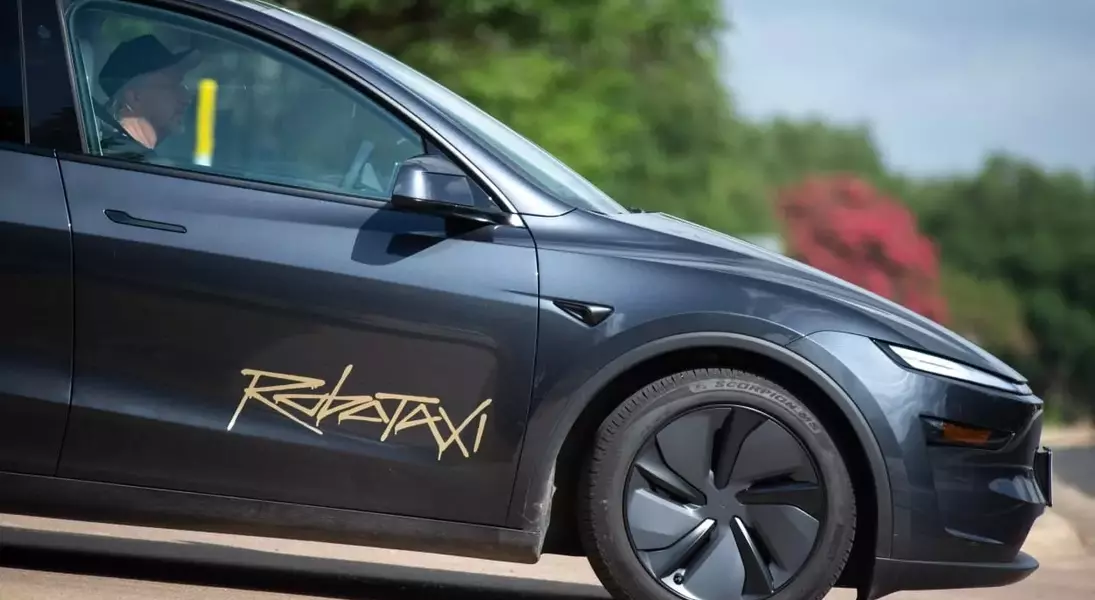
In a notable shift for the autonomous vehicle landscape, Tesla's robotaxi service operating in Austin, Texas, has begun requiring human safety monitors to sit in the driver's seat during certain journeys. This adjustment primarily applies to trips that involve highway navigation and stems from newly implemented state regulations designed to enhance oversight of driverless technology. While the concept of a self-driving taxi evokes futuristic visions, the practical reality in Texas now involves a human presence ready to assume control, particularly on high-speed routes.
This evolving operational protocol reflects the state of Texas's stringent regulatory framework for autonomous vehicles. Under Texas Senate Bill 2807, effective since September 1, a human operator must be present within a driverless vehicle unless it attains a Level 4 or higher classification of autonomy. Despite Tesla labeling its system as 'Full Self-Driving,' the state of Texas categorizes it as Level 2, which mandates continuous human supervision. This classification highlights the current limitations of the technology and the ongoing need for human intervention to ensure public safety, especially given previous public accounts of the robotaxis exhibiting unpredictable behaviors such as incorrect lane usage or sudden braking.
The requirement for human safety monitors to occupy the driver's seat specifically for highway segments underscores a cautious yet pragmatic approach to integrating autonomous vehicles into public transportation. While safety monitors were previously permitted to sit in the passenger seat, the updated regulations acknowledge the heightened complexities and risks associated with highway driving, demanding a more immediate capacity for human take-over. This adaptation illustrates the dynamic interplay between technological advancement, regulatory mandates, and public safety concerns, as companies like Tesla strive to expand the reach of their autonomous services while navigating the intricate path toward full driverless operation.
The journey towards a fully autonomous transportation system is paved with both innovation and challenges. This recent development in Austin serves as a reminder that the implementation of cutting-edge technology must always prioritize safety and accountability. It underscores the importance of a phased approach, where human oversight acts as a crucial bridge, allowing for the continuous refinement of autonomous systems while safeguarding public well-being. Embracing technological progress with prudence and a strong ethical compass ensures that advancements benefit society broadly, fostering trust and creating a future where technology truly elevates the human experience responsibly.
