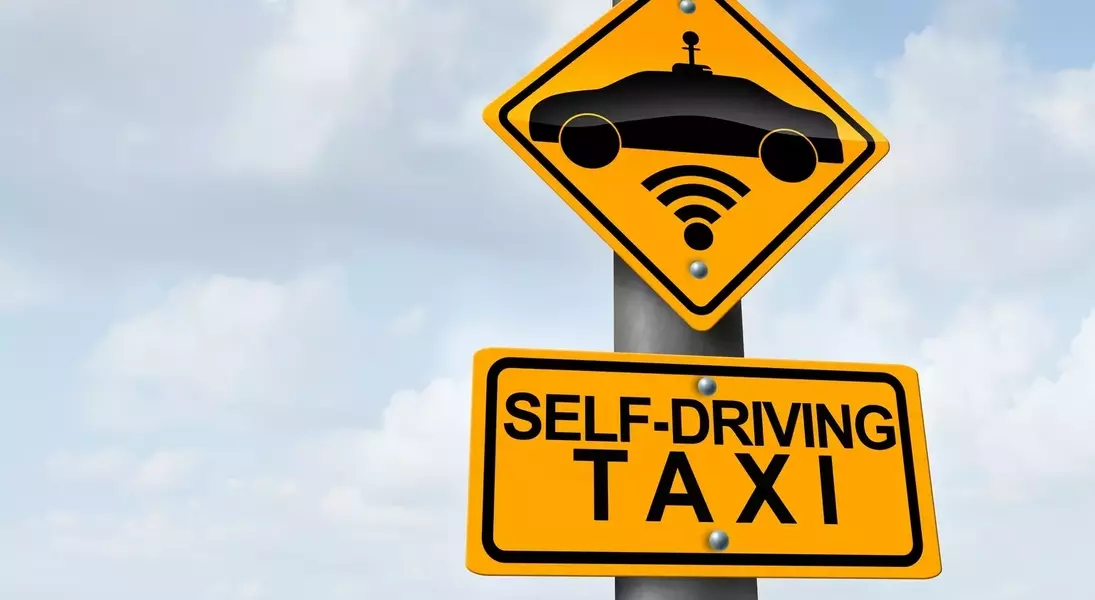
Tesla, a prominent electric vehicle manufacturer, faces increasing scrutiny regarding its persistent declarations about launching a fully autonomous robotaxi service. Despite the high expectations set by these pronouncements, the company's progress in this domain appears to be significantly behind schedule, particularly when juxtaposed with the rapid advancements and extensive deployments by its industry rivals.
As of early March, Tesla's operational robotaxi fleet remains remarkably small, consisting of merely seven units. This number starkly contrasts with the robust fleets of competitors such as Waymo, which operates over 3,000 autonomous vehicles. This disparity highlights a considerable gap in scalability and deployment, raising questions about Tesla's capacity to materialize its ambitious self-driving vision within its previously stated timelines. The competitive landscape for autonomous vehicle technology is rapidly evolving, with numerous companies making substantial investments and achieving tangible progress. Waymo, backed by considerable capital and extensive research, continues to expand its services and geographic footprint, solidifying its position as a leader in the autonomous ride-hailing market. The significant lead held by such competitors suggests that Tesla may find it challenging to catch up, let alone dominate, this nascent but fiercely contested sector.
Tesla's proposed Cybercab, a vehicle specifically designed for autonomous ride-sharing, is envisioned to offer a cost advantage with a projected price tag of around $30,000, roughly half the estimated cost of Waymo's latest models. While this price point could potentially lower operational costs and attract a broader user base, the Cybercab's distinctive two-door design might present practical limitations, potentially affecting rider comfort and convenience. Such design choices could hinder its widespread adoption and operational efficiency, especially when competing with more conventional, spacious autonomous vehicles that prioritize passenger experience. Furthermore, the inherent operational expenses associated with managing a large-scale autonomous fleet, including maintenance, charging infrastructure, and regulatory compliance, could diminish any initial cost benefits, further complicating Tesla's path to profitability and market leadership in the robotaxi space.
The current market valuation of Tesla, trading at an estimated 200 times its earnings per share, reflects considerable investor optimism regarding its future prospects, including its potential in robotaxis and humanoid robots. However, this optimistic valuation appears increasingly detached from the company's tangible progress and competitive standing in these advanced technological domains. The ongoing delays and the limited deployment of its autonomous fleet indicate that Tesla's leadership potential in both robotaxis and humanoid robotics might be faltering. Without a concrete, scalable, and fully operational autonomous service, the speculative nature of Tesla's valuation poses significant risks. This situation suggests that the market may be overestimating Tesla's near-term capabilities and underestimating the challenges and competition it faces in transforming its innovative concepts into commercial realities.
