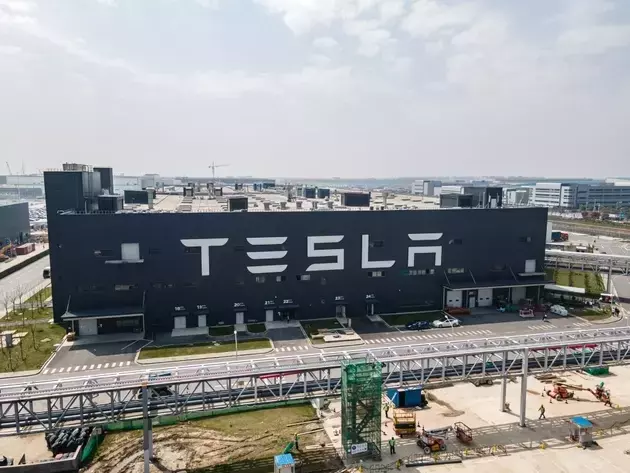
Tesla's recent stock rally, pushing it to unprecedented heights, is largely driven by fervent speculation surrounding its robotaxi initiatives. However, concrete evidence of an impending, fully autonomous ride-sharing service from the company remains conspicuously absent. This situation is particularly critical given the robust competition emerging in the autonomous vehicle landscape.
Waymo, a prominent competitor in the autonomous driving sector, has already established a significant presence in the robotaxi market. Operating across six major cities, Waymo consistently provides approximately 450,000 rides weekly. This impressive operational scale starkly contrasts with Tesla's yet-to-be-realized robotaxi aspirations, highlighting a substantial lead held by its rival. The discrepancy between Tesla's ambitious pronouncements and Waymo's practical deployment underscores a growing concern among market observers.
Despite the lack of operational robotaxi services, investment firms like Ark Invest continue to champion the enormous potential of this technology, thereby contributing to the sustained elevated valuation of Tesla's stock. This optimistic outlook, however, often overlooks the practical challenges and the competitive pressures that Tesla faces in actually bringing its robotaxi vision to fruition. The company's valuation, currently trading at over 206 times its forward earnings, heavily predicates on the success of future autonomous ventures, making any delays or competitive setbacks particularly impactful.
Further compounding Tesla's challenges are external market forces. The electric vehicle (EV) market is experiencing a downturn in demand, coupled with an intensification of competition from both established automakers and emerging players. This dual pressure necessitates a swift and successful entry into the robotaxi market for Tesla. A failure to deliver a breakthrough in autonomous driving could severely jeopardize its current lofty valuation, especially as its market share in the core EV business faces erosion.
In conclusion, while the prospect of Tesla's robotaxi technology has captivated investors and propelled its stock to new peaks, the company is grappling with the imperative to transform this vision into a tangible service. The current market environment, characterized by strong competition from operational robotaxi services and a softening EV market, amplifies the urgency for Tesla to demonstrate concrete progress. The success of its autonomous strategy is not merely a growth opportunity but a crucial factor in sustaining its premium market valuation and addressing the intensifying competitive landscape.
