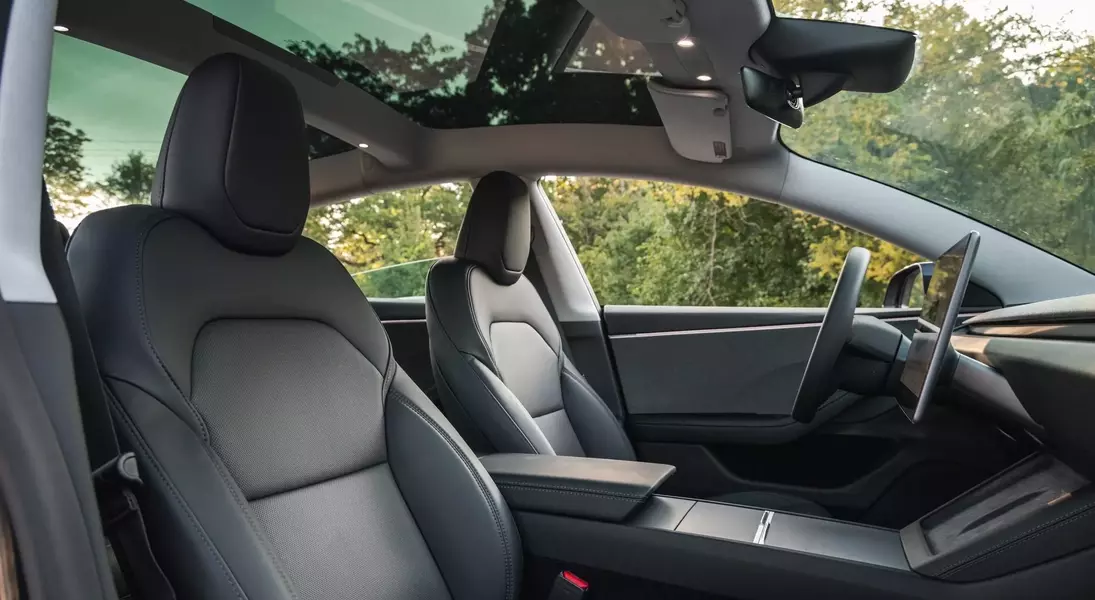
Tesla is pioneering innovative solutions to enhance the thermal management of its electric vehicles, particularly focusing on mitigating the heat accumulated in cars equipped with panoramic glass roofs. These advancements, outlined in recently revealed patents, aim to integrate the vehicle's roof and HVAC system to create a more comfortable cabin environment and improve energy efficiency. The core of these designs involves a multi-layered glass roof that can actively participate in cooling or heating the interior, coupled with a sophisticated system for evacuating warm air. This strategic approach is poised to address a common challenge faced by owners of glass-roofed automobiles, especially in sun-ddrenched climates, by transforming a potential heat liability into an active cooling component.
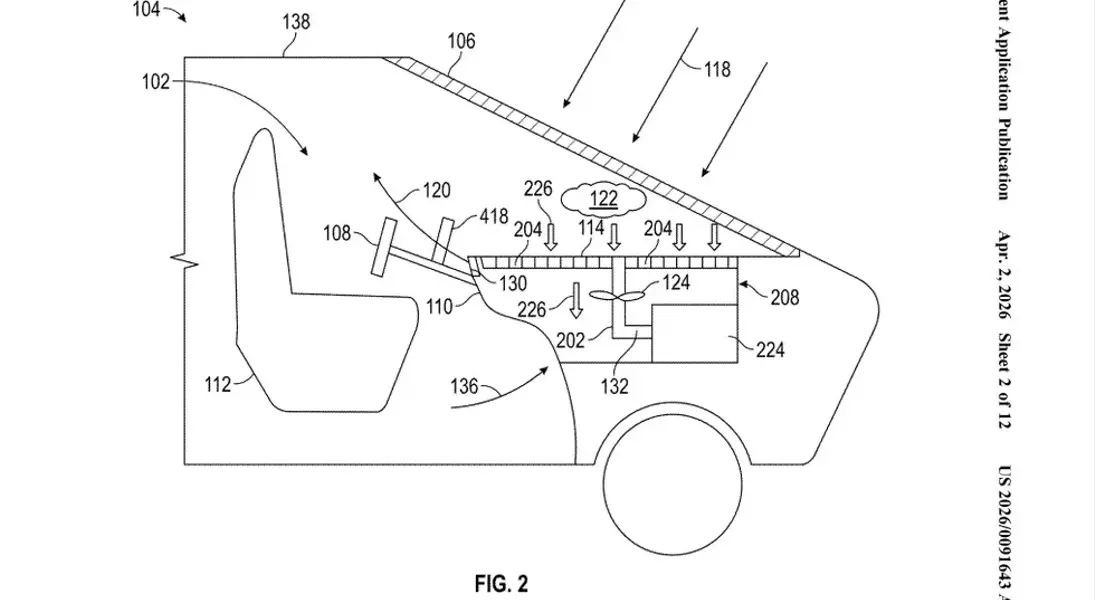
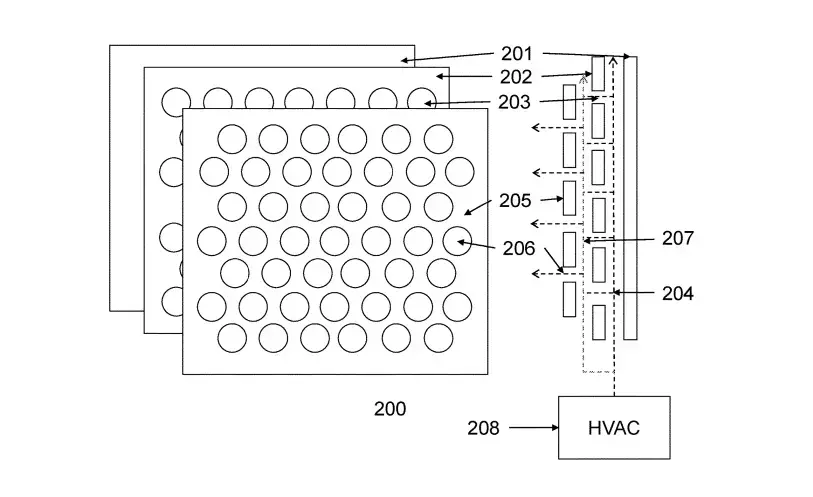
A key innovation detailed in one patent describes a novel roof structure composed of conventional glass layered with perforated glass, featuring a honeycomb-like interior. This ingenious design allows the roof to act as a diffuser, gently introducing cool air into the cabin space above the occupants. The concept is that cooler air, being denser, will naturally descend, displacing the warmer air. This system is envisioned to work in conjunction with another patented technology: a suction mechanism designed to actively extract hot air from the vehicle's interior. The synergy between these two systems promises a significant reduction in the workload of the traditional air conditioning unit. By minimizing the energy demand for cooling, these innovations are expected to contribute to a longer driving range per charge, a crucial benefit for electric vehicle performance.
The motivation behind these developments likely stems from the increasing popularity of glass roofs in Tesla's vehicle lineup, particularly in regions like California where intense sunlight can quickly turn a panoramic roof into a heat trap. The current challenge with such roofs is their tendency to amplify solar heat, forcing the HVAC system to work harder. Tesla's proposed solution seeks to reverse this effect, making the roof a functional element in maintaining optimal cabin temperatures. The ability to cool the cabin without direct blasts of air, offering a more evenly distributed and comfortable environment, presents a compelling improvement for passenger comfort, especially during hot weather conditions.
While the patents showcase promising concepts, the journey from patent to mass production involves overcoming significant manufacturing and practical challenges. The intricate honeycomb structure of the proposed glass roof, for instance, is considerably more complex than existing retractable sunroof designs. Durability and cost-effectiveness for mass production remain key considerations. Furthermore, the patents suggest versatility, indicating that the perforated roof could also circulate warm air during colder months, integrating it fully into the vehicle's climate control system. This adaptability highlights Tesla's commitment to continuous innovation in enhancing vehicle performance and user experience.
These patents underscore the ongoing efforts within the automotive industry, particularly by leaders like Tesla, to explore every avenue for incremental efficiency gains in modern vehicles. The development of a panoramic roof that actively contributes to cabin temperature regulation, rather than merely serving an aesthetic purpose, represents a forward-thinking approach to automotive design. As other manufacturers often observe Tesla's technological advancements closely, it is conceivable that similar "actively cool" roof technologies could become a more widespread feature in electric vehicles across the industry in the foreseeable future, pushing the boundaries of comfort and efficiency in electric mobility.
Tesla's latest patented designs offer a glimpse into the future of automotive climate control, focusing on integrated solutions that leverage vehicle components for enhanced efficiency. By reimagining the role of the panoramic glass roof from a passive element to an active part of the HVAC system, Tesla aims to improve cabin comfort while simultaneously extending the operational range of its electric vehicles. These innovations, encompassing both air diffusion through the roof and active heat extraction, demonstrate a holistic approach to thermal management. Although practical implementation details for mass production are yet to be finalized, these advancements signify a continuous drive towards more energy-efficient and user-centric electric vehicle design.
