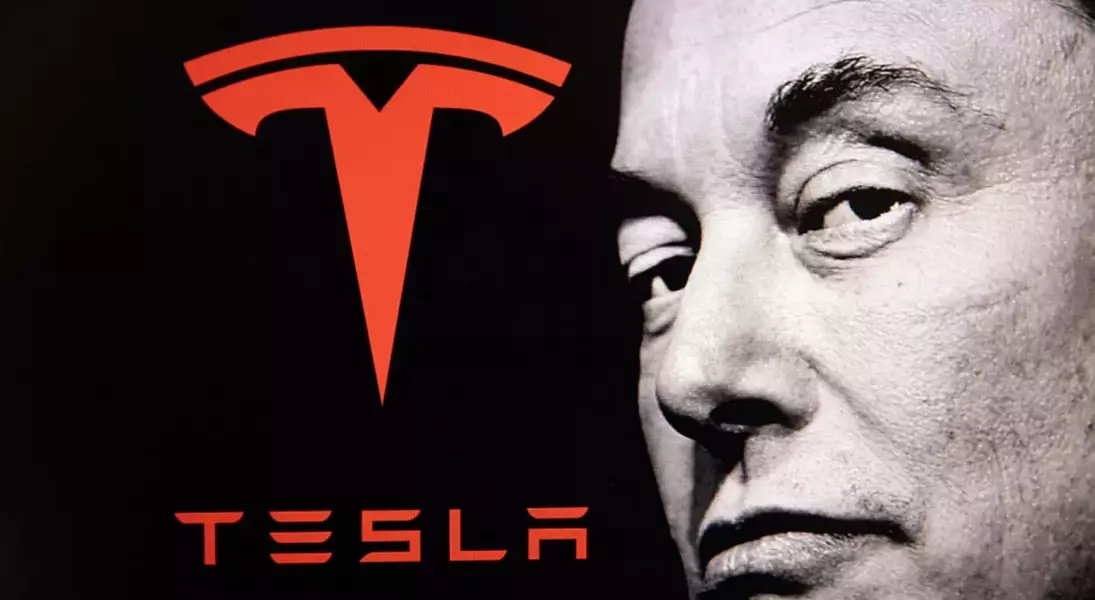
Tesla is once again at the center of a high-stakes financial drama, proposing a significant new compensation deal for its chief executive, Elon Musk. This latest package, valued at approximately $29 billion in company shares, represents a determined effort to honor a much larger 2018 agreement that a U.S. court previously invalidated. The board's persistent push to secure this substantial payout for Musk highlights the intricate and often controversial relationship between a visionary leader and the corporate entity he commands. The company's justification for such a colossal sum often centers on Musk's perceived indispensable role in Tesla's innovation and market leadership, despite recent setbacks in its financial performance and a series of legal challenges.
This renewed focus on executive compensation also underscores a broader narrative concerning corporate governance and shareholder rights. The initial rejection of Musk's 2018 pay package by a Delaware court stemmed from concerns that the board failed to adequately protect shareholder interests, essentially rubber-stamping an exorbitant deal without proper negotiation or valuation of Musk's contributions. As Tesla navigates these legal complexities and strives to re-establish the original, more expansive compensation plan, the company faces the dual challenge of satisfying its charismatic CEO and reassuring a diverse array of investors about its commitment to transparent and equitable practices.
The Enduring Battle Over Executive Compensation
Tesla has initiated a fresh attempt to compensate its CEO, Elon Musk, by allocating him shares worth roughly $29 billion. This action is a direct response to the prior judicial annulment of a colossal $55.8 billion remuneration plan from 2018. The new proposal, which has already received the green light from the company's stakeholders, mandates Musk's continuous presence in a top leadership capacity for the next two years and prevents him from liquidating or transferring these newly acquired shares for half a decade. This strategic maneuver by Tesla aims to partially address the void left by the invalidated 2018 agreement, while the corporation simultaneously pursues legal avenues to fully restore the original, more substantial compensation package through the Delaware Supreme Court.
The announcement of this interim award, detailed in a recent SEC filing, signals Tesla's unwavering commitment to its CEO, despite the ongoing legal and financial scrutiny. The original 2018 package was struck down because the court found that Tesla's board had neglected its fiduciary duties, failing to adequately negotiate or assess the value Musk provided. Instead, they appeared to accede to his demands without rigorous oversight. This new agreement, while smaller in scope, attempts to lock in Musk's commitment to the company, providing him with a significant financial incentive tied to his continued leadership and the company's future performance. It also reflects the board's belief that retaining Musk is crucial for Tesla's long-term success and continued innovation, as they explicitly stated their intent to retain and motivate their extraordinary talent, beginning with Musk.
Valuing Vision: Musk's Role and Tesla's Future
The board's decision to pursue this interim award, even as they fight to reinstate the earlier, larger package, reflects their strong conviction that Elon Musk's leadership is indispensable to Tesla's trajectory. They consistently laud his "unmatched leadership" and his unique blend of "technical expertise" and a "decades-long proven track record" across various industries. This fervent endorsement comes despite a court's previous finding that such veneration might have clouded the board's judgment in the initial compensation deal, raising questions about whether their actions truly benefited shareholders or primarily served Musk's interests. The new plan also forces Musk to maintain a senior leadership role within the company for two years and prohibits him from selling his shares for five years, ostensibly to align his interests directly with Tesla's long-term success.
Amidst these compensation disputes, Tesla itself has faced a challenging period, marked by a significant drop in first-quarter profits and a decline in global sales. The company has also contended with reputational damage linked to Musk's political engagements and technical issues affecting its vehicles, including incidents involving its Robotaxis. Musk's own pronouncements, indicating a desire for approximately 25% voting control to effectively lead Tesla's ventures in AI and robotics, further illuminate the complexities of this situation. This latest compensation award, which would increase his stake to about 16%, is presented as a crucial step in incentivizing him to remain fully engaged with Tesla's future, especially as the company plans to introduce a "longer-term CEO compensation strategy" for shareholder approval later this year.
