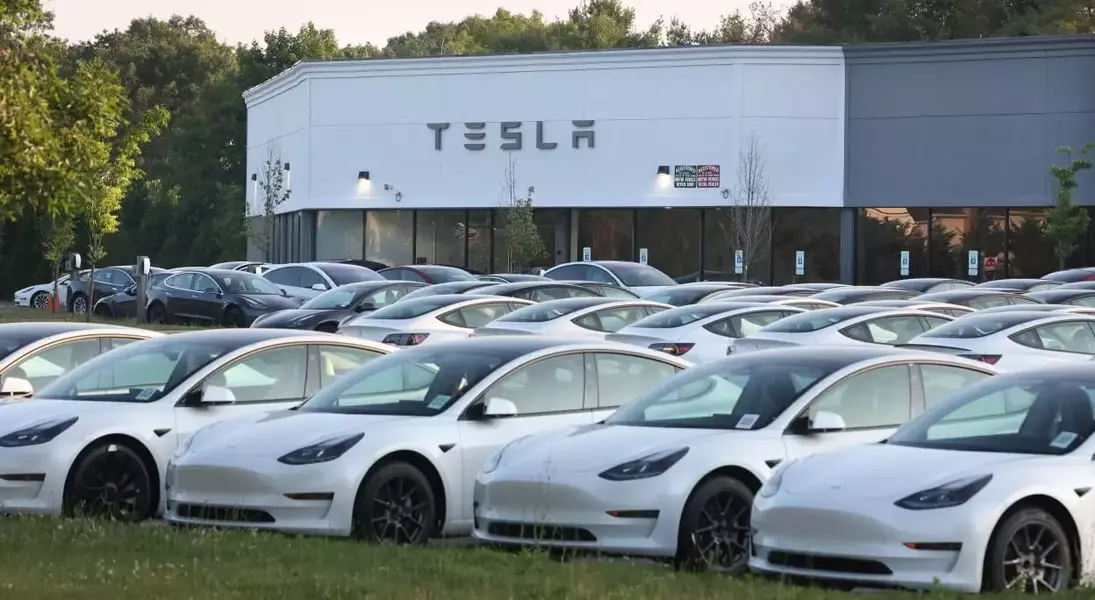
A recent court decision in Florida has brought considerable attention to the safety of autonomous driving systems, particularly Tesla's Autopilot feature. A jury found the electric vehicle manufacturer partially accountable for a deadly collision, mandating a substantial compensation payment. This judgment represents a notable legal defeat for the company and casts a spotlight on the wider discourse regarding the dependability and accountability of self-driving innovations.
The case originated from a tragic event in 2019 where a Tesla Model S, operating under Autopilot, disregarded a stop sign and a red light before colliding with a stationary Chevrolet Tahoe. The incident resulted in the death of Naibel Benavides Leon, who was near the SUV, and injured Dillon Angulo. This marks the first time Tesla has been deemed responsible for a fatality directly attributed to its Autopilot technology, according to reports. However, the company's driver-assistance software has been associated with a multitude of crashes, prompting extensive discussion and scrutiny.
A federal judge in Miami has ordered Tesla to pay $129 million in compensatory damages and an additional $200 million in punitive damages to the estate of Benavides Leon and to Angulo. Tesla intends to appeal this ruling. A lawyer representing the plaintiffs, Brett Schreiber, emphasized that the verdict delivers justice for the victims. He highlighted that Tesla designed Autopilot specifically for controlled-access highways, yet deliberately allowed its use in other environments, while company leadership proclaimed its superiority over human driving.
This judicial outcome presents a significant challenge for Tesla and its CEO, Elon Musk, especially as the company aggressively promotes its robotaxi ventures. The substantial financial penalty and the legal precedent set by this verdict raise critical questions about the safety and potential legal liabilities inherent in Tesla's vision for autonomous mobility. Furthermore, it could pave the way for more lawsuits concerning the Autopilot system in the future.
The Florida jury's decision against Tesla underscores the ongoing legal and ethical complexities surrounding the deployment of advanced driver-assistance systems. It reinforces the necessity for rigorous testing, clear operational guidelines, and robust regulatory oversight to ensure public safety as autonomous vehicle technology continues to evolve and integrate into daily life.
