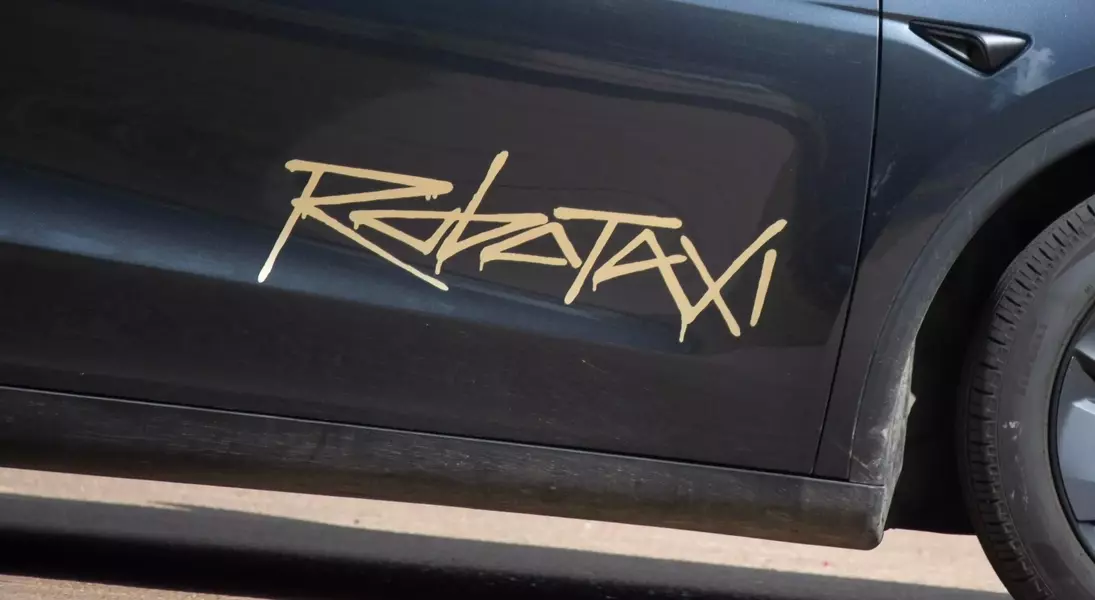
Tesla is embarking on an ambitious journey to expand its autonomous driving technology and robotaxi services, a vision spearheaded by CEO Elon Musk. The company's strategy includes launching robotaxi operations in several new American cities and extending the reach of its Full Self-Driving (Supervised) feature to key international markets. This broad expansion is coupled with the ongoing development of the Optimus humanoid robot, signifying Tesla's commitment to diverse advancements in AI and robotics. The journey, however, is not without its difficulties, including navigating regulatory landscapes and overcoming technical challenges inherent in pioneering such sophisticated technologies.
During a recent earnings conference call, Musk expressed unwavering confidence in Tesla's ability to achieve its stated objectives, asserting that past criticisms regarding timelines have proven unfounded. He highlighted the progress made, even as the company acknowledges the complex nature of its endeavors. The current robotaxi deployment in Austin, Texas, for example, operates with human safety monitors, a precautionary measure that underscores the nascent stage of this technology compared to more mature autonomous systems. This cautious approach contrasts sharply with the audacious projections for future expansion, including the goal of providing robotaxi access to a significant portion of the US population by the end of the year.
Despite the optimistic outlook, Tesla's autonomous driving systems have encountered operational issues, such as instances of unexpected braking and navigation errors during early deployments. These incidents underscore the formidable technical hurdles that must be overcome to ensure the safety and reliability required for widespread autonomous vehicle adoption. Furthermore, the regulatory environment for self-driving cars varies considerably across different jurisdictions, with some states imposing stringent permitting requirements. This patchwork of regulations adds another layer of complexity to Tesla's expansion plans, requiring tailored approaches for each market.
A critical aspect of Tesla's long-term vision involves enabling existing vehicle owners to upgrade their cars to fully autonomous capabilities. This promise, a cornerstone of Tesla's valuation, now faces a significant challenge: older hardware versions (HW3) may not support unsupervised Full Self-Driving without costly upgrades to newer platforms (HW4 or HW5). Musk addressed this, indicating that the immediate focus is on perfecting the technology for HW4 vehicles, with solutions for HW3 users to be determined later. This development implies that a substantial number of current Tesla owners might not experience the full benefits of autonomous driving without further financial investment, potentially impacting customer perception and future sales. The company's drive into autonomous mobility and humanoid robotics illustrates its relentless pursuit of innovation, even as it confronts the intricate realities of technological development and market integration.
