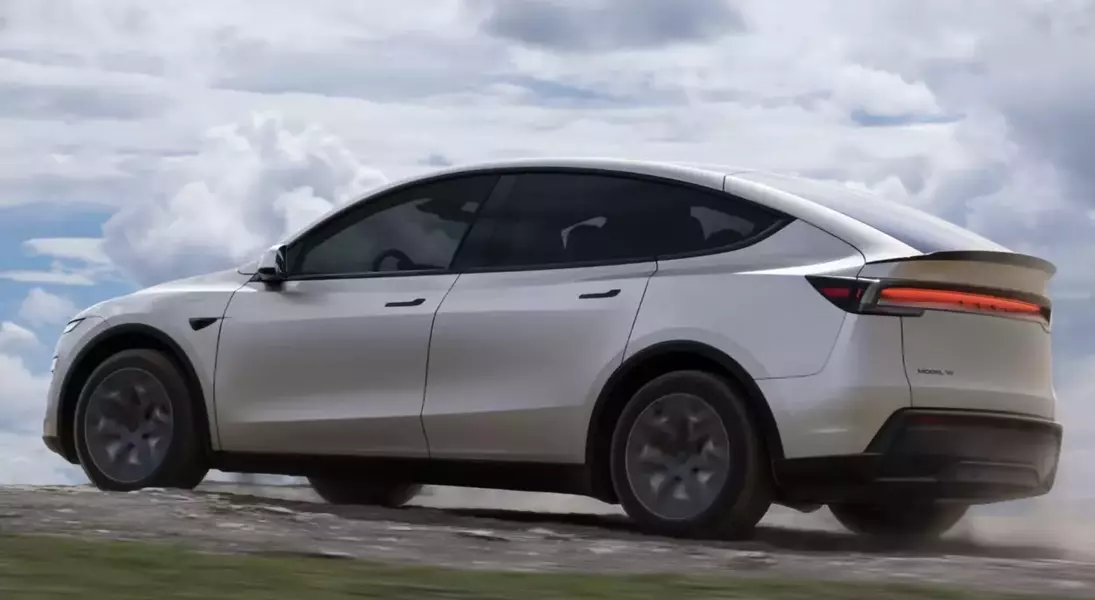
Tesla recently unveiled its new six-passenger Model YL, a larger iteration of its popular Model Y SUV. While offering increased seating capacity and a slightly higher price point, the availability of this vehicle in the United States faces considerable uncertainty and a prolonged waiting period. This situation stems largely from Tesla's strategic focus on its autonomous driving initiatives, specifically the expansion of its Robotaxi service.
The six-seat Model YL, an alternative to the more expensive Model X, offers nearly identical range to the standard Model Y. However, any hopes for an immediate U.S. launch have been tempered by recent statements from Tesla's chief executive, Elon Musk. He clarified that American production of this specific Model Y variant is not expected to commence until at least the end of 2026, or more realistically, early 2027. Furthermore, Musk suggested that a U.S. release might never materialize, linking this possibility to the advancement of self-driving technology within the country.
Musk's reasoning points to the growing emphasis on Tesla's Robotaxi service, which is designed to offer autonomous ride-hailing. Although currently operational in only a limited number of American cities and still in a closed beta phase, with human drivers often required to be present, Tesla has ambitious plans for its widespread adoption. The company aims to make Robotaxis accessible to a substantial portion of the U.S. population in the near future. The connection between the development of the Robotaxi service and the potential absence or delay of the Model YL in the U.S. market, however, remains somewhat ambiguous, with no further detailed explanations provided by Musk.
Despite the current focus on the Robotaxi service, achieving widespread autonomous operation within such a short timeframe presents considerable challenges, including regulatory approvals across numerous U.S. municipalities. This complex landscape suggests that the rapid expansion of fully autonomous Robotaxis, as envisioned by Tesla, may be a more protracted process than initially projected. Consequently, this intricate interplay of production schedules, autonomous technology development, and market strategy creates a complex outlook for the Model YL's journey to American consumers.
The introduction of the Model YL marks an expansion in Tesla's electric vehicle lineup, yet its journey to the U.S. consumer market is fraught with delays. The company's shifting priorities, particularly its deep investment in autonomous driving solutions like the Robotaxi network, are influencing the allocation of production resources and strategic market entries. This means that while other regions might see the Model YL sooner, American enthusiasts will likely need to exercise patience, possibly for several years, or consider alternative options within Tesla's existing offerings.
