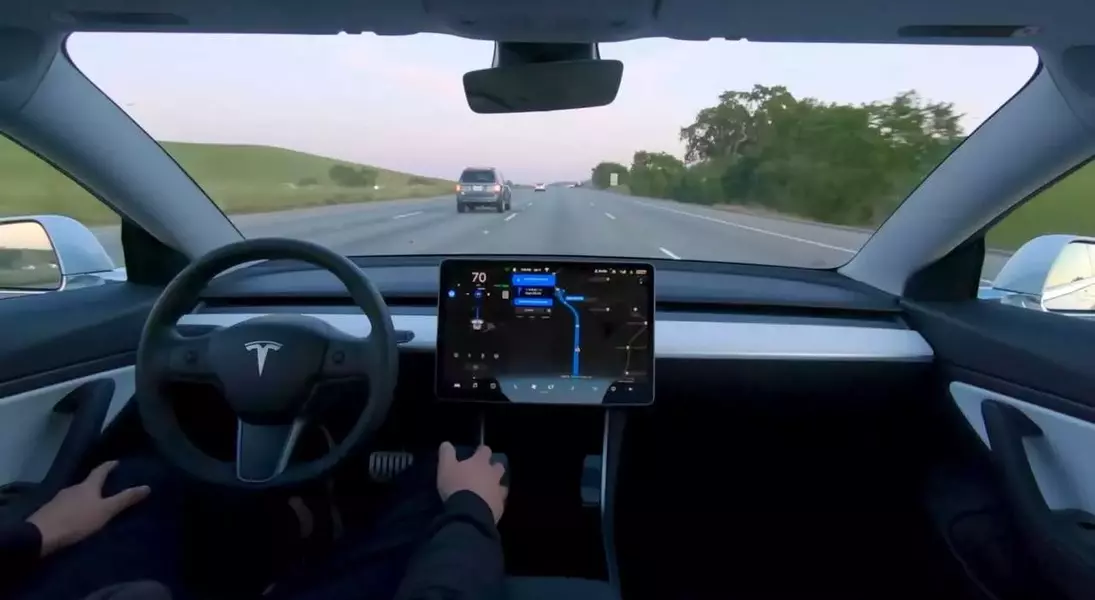
Tesla is deploying a significant update to its Full Self-Driving (FSD) Supervised software, version 14.3.9, which includes a novel safety function named Automatic Collision Evasion. This system is designed to intervene and take control of the vehicle's steering, braking, and acceleration to avert imminent collisions, even when a human driver is actively operating the car. The update commenced its rollout to employee vehicles on September 6th, swiftly followed by its release to North American customers.
This groundbreaking capability represents the first instance where Tesla's FSD system can autonomously engage and manipulate critical vehicle controls during manual driving. The feature is specifically engineered for emergency situations and is triggered under two distinct crash scenarios. Drivers maintain the ability to override the system's actions through decisive counter-steering, ensuring ultimate control remains with the human operator.
The Automatic Collision Evasion system is tailored for North American Tesla models and requires owners to have purchased and activated FSD Supervised within their vehicle's settings. It functions as a last-resort safety net rather than a standard driving aid, intervening in potential head-on collisions on controlled-access highways at speeds under 85 mph, provided no pedestrians or cyclists are detected. In such instances, if automatic emergency braking alone proves insufficient, the system can autonomously steer the vehicle to avoid the obstacle, change lanes, or move onto the shoulder. Additionally, the system activates in situations of driver inattention or accidental FSD deactivation, taking over control to guide the vehicle to safety at speeds between 22.5 mph and 85 mph. This strategic speed range prevents activation in low-speed scenarios like parking or traffic jams. Once activated, the accelerator pedal becomes unresponsive, though manual braking can still be applied without canceling the maneuver. Full disengagement from the system requires a deliberate counter-steering input from the driver.
The introduction of such an advanced safety feature underscores the continuous evolution of automotive technology, emphasizing proactive measures to enhance road safety. This innovation encourages vehicle owners to be fully aware of their vehicle's capabilities and limitations, fostering a responsible approach to utilizing advanced driving assistance systems. Furthermore, it highlights the increasing collaboration between cutting-edge technology and human oversight in creating a safer driving environment for everyone.
