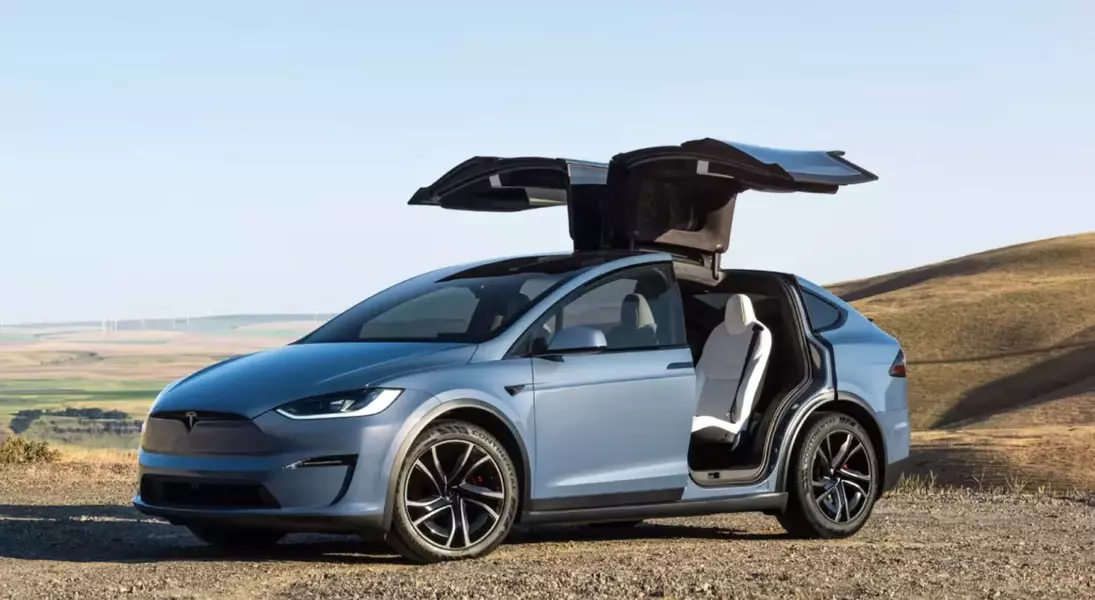
Tesla has recently altered its sales model for the premium Model S and Model X vehicles within the European market. Instead of allowing customers to place custom orders, the company is now exclusively selling existing inventory. This strategic adjustment follows a period of notable decline in deliveries for these luxury electric vehicles, prompting speculation about Tesla's future approach in the region. The move could be a temporary solution to current logistical challenges or a more permanent re-evaluation of its high-end vehicle sales in Europe.
Market Shift and Sales Impact
Tesla has quietly implemented a significant change in its European sales strategy for the Model S and Model X, transitioning from custom configurations to a direct inventory sales model. This shift has been noted across multiple European countries, including Italy, Germany, France, Spain, and Croatia, where only pre-built versions of these luxury models are available. In contrast, the more accessible Model 3 and Model Y continue to be offered with full customization options. This strategic pivot comes in the wake of a challenging quarter for Tesla's higher-end vehicles, which also include the Cybertruck, collectively experiencing a near 50% drop in deliveries compared to the same period last year. This decline has undoubtedly influenced the company's decision to streamline the sales process for its most expensive offerings in Europe.
The adjustment to an inventory-only sales approach for the Model S and Model X in Europe reflects a broader response to market dynamics and internal performance metrics. Following a quarter where combined deliveries of the Model S, Model X, and Cybertruck saw a substantial reduction—approximately 50% year-over-year—Tesla appears to be recalibrating its distribution. This contrasts sharply with the ongoing ability for European customers to configure and order new Model 3 and Model Y vehicles, indicating a differentiated strategy based on vehicle segment performance. The decision to limit sales to pre-configured models could be an attempt to manage inventory levels more effectively, reduce lead times, or respond to shifts in consumer demand within the luxury EV sector. While it presents a more immediate purchase option for some, it also removes the personalized ordering experience for which Tesla is known, potentially impacting customer appeal for these high-value models.
Potential Causes and Future Outlook
The recent change in Tesla's sales model for the Model S and Model X in Europe could stem from several factors, including ongoing supply chain disruptions or the recent price adjustments for these vehicles. The premium models saw a $5,000 increase in their starting prices after a modest refresh, which might have influenced sales figures. This isn't the first instance of Tesla halting custom orders; a similar situation occurred in 2022 following a major refresh of the Model S and X. The current decision might also reflect broader strategic considerations, as the company navigates a competitive and evolving electric vehicle landscape. The move has led to speculation about the long-term viability of these models in certain markets, especially if the underlying issues are not temporary.
While the exact reasons behind Tesla's decision to limit Model S and Model X sales to existing inventory in Europe remain unconfirmed, several plausible explanations emerge. One primary factor could be persistent supply chain challenges, as evidenced by the two-month waiting period for the Model S even in California, where production occurs. This suggests that manufacturing and logistics constraints might be pushing Tesla to prioritize current stock over new custom orders in certain regions. Additionally, the luxury EVs recently underwent minor updates, accompanied by a $5,000 price hike, which could have dampened demand and contributed to the delivery slump. Historically, Tesla has temporarily paused custom orders for these models after refreshes, indicating a pattern of managing transitions. However, the current indefinite nature of this change fuels discussion about whether it signifies a more permanent strategic shift or even foreshadows the eventual discontinuation of these models in select European markets. The situation underscores the complexities of managing production, demand, and market strategy in the fast-paced electric vehicle industry.
