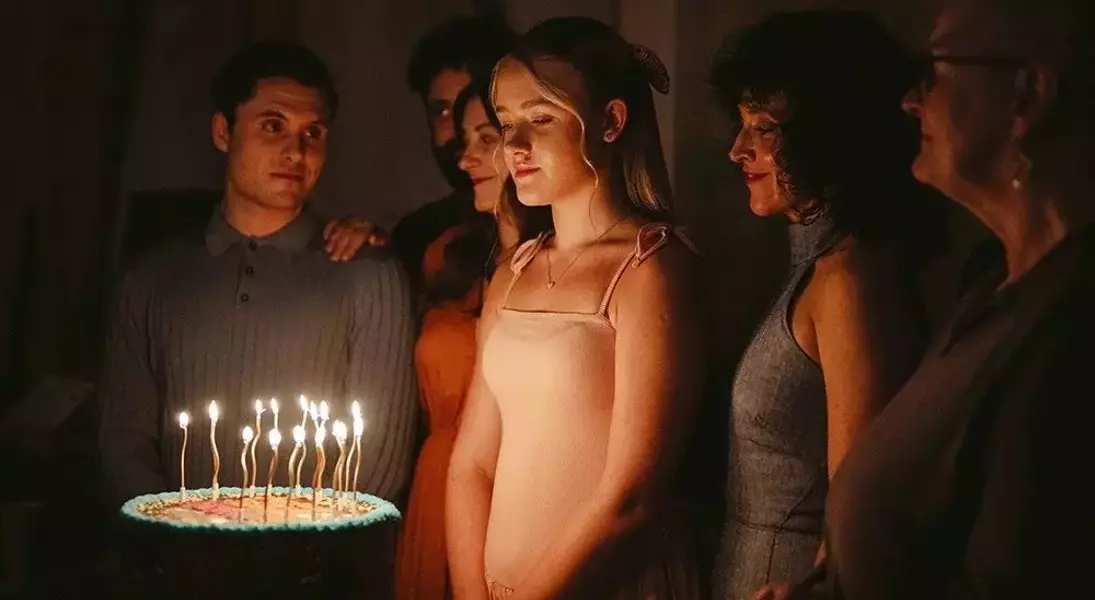
Filmmaker Ted Evans' latest work, \"Retreat,\" offers a profound look into an isolated deaf community, challenging perceptions of identity and belonging. The movie distinguishes itself through its innovative use of sign language and its exploration of the complex relationship between a secluded group and the wider world.
Unveiling Identity: A Cinematic Journey into an Isolated Deaf Community
Exploring Identity within a Secluded Deaf Community in \"Retreat\"
Ted Evans' new film, \"Retreat,\" transports viewers to Chilmark, a compound where deaf individuals have forged their own society, rejecting the hearing world's labels. The narrative centers on Matt, whose contentment within this community is disrupted by the arrival of an enigmatic outsider, compelling him to re-evaluate Chilmark's true nature. This exploration of an insular group, who identify not as 'deaf' but as distinct, offers a fascinating study of self-definition apart from societal norms.
Filmmaker's Vision: Communication, Culture, and Opportunities for Deaf Actors
As a deaf filmmaker fluent in both British Sign Language and spoken English, Evans shares insights into his creative process and the film's international appeal. \"Retreat\" features a diverse cast, enabling a rich tapestry of sign languages (BSL, ASL, DGS), reflecting the universal deaf experience despite linguistic variations. Evans emphasizes that while each created sign in the film carries specific meaning, it also highlights the increasing yet still limited opportunities for deaf actors in the industry, advocating for narratives that transcend their deafness.
The Politics of Separatism and the Essence of Connection
Evans addresses the deliberate separatism of the Chilmark community, noting that the film doesn't overtly preach but subtly examines the historical assimilation pressures faced by deaf individuals. He reflects on how 95% of deaf people are born into hearing families, often lacking exposure to deaf culture and history. This isolation often pushes them towards 'fixing' their deafness. The film ultimately explores the fundamental human need for understanding and connection, emphasizing the unspoken bonds that unite communities.
Inspiration from Non-Fiction and Personal Experience
Drawing inspiration from films like \"The Master\" and \"Martha Marcy May Marlene,\" Evans reveals a deeper influence from non-fiction, particularly a documentary on Jonestown. His own experience attending a boarding school for deaf children, geographically isolated and self-contained, mirrored the film's cult-like setting. This personal connection allowed him to delve into the intricate relationship between identity formation and the dynamics of a secluded group, adding layers of authenticity to the narrative.
The Future of Sign Language Cinema and Inclusivity in Film
Evans expresses optimism about the evolving landscape for deaf actors, acknowledging improvements while highlighting the persistent challenges they face. He underscores the importance of well-crafted stories that showcase their talents beyond their hearing status. Passionate about the potential of sign language cinema, Evans envisions a future where sign language is seamlessly integrated into filmmaking, enhancing cinematic expression and broadening storytelling possibilities, creating a unique visual rhythm akin to combat or dance.
