
In a significant legal development, several prominent technology companies, including Nintendo, Lenovo, Dyson, and Epson, are actively seeking refunds for tariffs previously imposed under a presidential economic powers act. This movement follows a recent Supreme Court decision that invalidated the legal basis for these tariffs, deeming the act's application by the previous administration as unlawful. The collective actions of these corporations could set a crucial precedent for other businesses affected by similar trade policies, potentially leading to a broader wave of compensation claims.
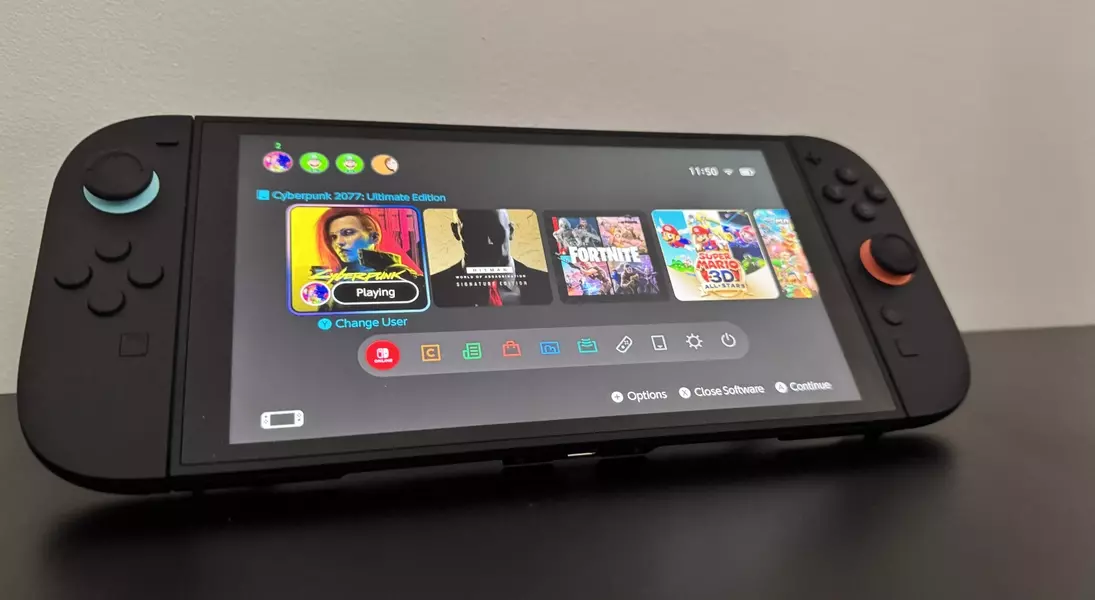
Nintendo's legal filing explicitly demands that the U.S. government promptly reimburse all tariffs paid, along with accrued interest, regardless of the liquidation status of these funds. The company's complaint underscores the substantial financial burden incurred, pointing to an estimated $200 billion in tariffs collected by the government. This financial strain notably impacted Nintendo's operations, influencing the pricing and distribution of its products, including the highly anticipated Switch 2 console.
The tariffs had a tangible effect on Nintendo's market strategy. For instance, the company initially deferred announcing the U.S. pricing for the Switch 2, citing tariff-related uncertainties. Although the console eventually launched at its intended price point, this delay and subsequent market fluctuations illustrate the direct consequences of these trade measures on consumer electronics and the broader economic landscape.
Echoing Nintendo's stance, Lenovo's complaint also seeks full refunds for the tariffs paid, in addition to requesting coverage for attorney fees and other associated legal costs. The similarities in these legal challenges suggest a concerted effort by the affected industries to recoup losses resulting from what is now deemed an unlawful trade policy.
The involvement of other major players like Dyson and Epson further solidifies the potential for these cases to establish a significant legal precedent. If these companies succeed in their claims, it would likely pave the way for numerous other businesses to pursue similar refunds, creating a ripple effect across various sectors. This scenario could also raise complex questions regarding consumer pricing, especially for products whose costs were inflated due to these now-disputed tariffs. For example, if companies like Sony, which previously increased console prices citing a 'challenging economic environment,' were to seek refunds, it could highlight a disparity where consumers might have overpaid in the interim period.
However, the actual refund process is anticipated to be a complex and time-consuming endeavor. The Customs and Border Protection agency has already indicated that processing such a vast number of claims—involving hundreds of billions of dollars, over 300,000 importers, and 53 million individual entries—would require substantial administrative effort and technological upgrades. This suggests that even if the companies are awarded refunds, the disbursement could take a considerable amount of time.
