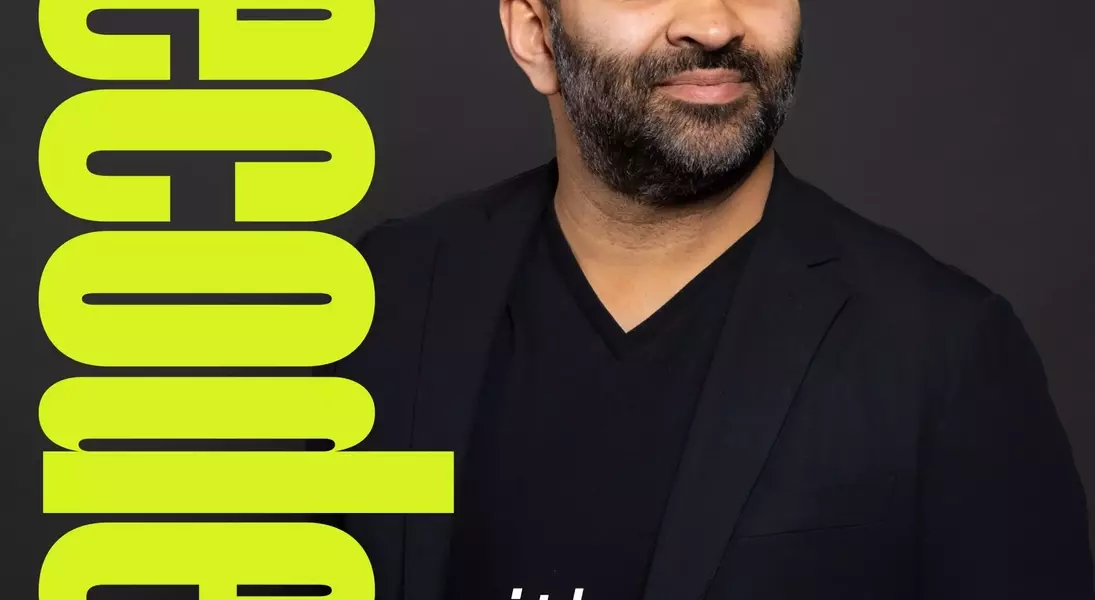
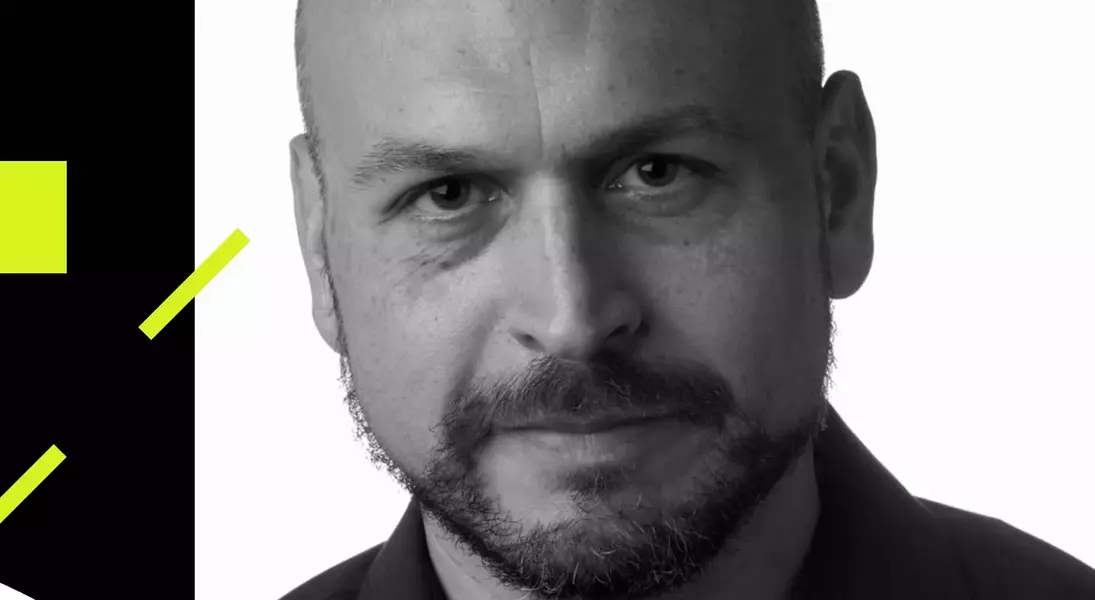
A prominent journalist and author, Gil Duran, through his work on “The Nerd Reich,” sheds light on a disquieting shift within the technology sector’s most influential figures. Individuals like Peter Thiel, Elon Musk, and Marc Andreessen are increasingly aligning themselves with philosophies that advocate for a form of corporate authoritarianism, fundamentally challenging democratic ideals. This movement, often termed the Dark Enlightenment or neo-reactionary movement, promotes the idea that society would benefit from a system akin to a corporate-run monarchy, where wealth and technological prowess dictate governance. These proponents envision a world where traditional nation-states are superseded by tech-feudalistic entities, explicitly detailing models like “Frisk Corp” that suggest total surveillance and control over citizens, save for the option to depart, a proposition critics argue overlooks the authoritarian realities of such regimes.
Duran emphasizes that while these concepts are not entirely new, their widespread adoption and active promotion by some of the world's richest and most powerful tech leaders represent a novel and alarming development. This trend has been particularly accelerated by recent political shifts, fostering a dangerous alliance between far-right political factions and the custodians of major tech platforms. The author highlights how these billionaires are not merely theoretical proponents but are actively working to dismantle existing governmental structures, proposing radical alternatives that would consolidate power in their hands. This push for radical societal transformation, Duran suggests, is rooted in a belief in 'tech supremacy,' positing that financial success in technology translates to universal competence, including in governance, a notion he challenges as a dangerous oversimplification.
The conversation further explores the implications of this ideology, particularly in addressing societal challenges. Duran notes a growing disdain among this tech elite for traditional institutions and expertise, preferring narratives that glorify wealth as a sole indicator of capability. He argues that this perspective often dismisses complex societal problems, such as economic inequality and homelessness, by deflecting blame or proposing overly simplistic, self-serving solutions. Ultimately, Duran calls for a critical examination of the influence wielded by these tech magnates and urges a broader public discourse on how technology should be developed and regulated to serve the common good, rather than enabling a dystopian future dictated by a select few.
As we confront the profound transformations brought about by technological advancements, it is imperative that we champion principles of equity, transparency, and collective well-being. The narrative put forth by some tech billionaires, advocating for a societal structure where power is concentrated among a select few, stands in stark contrast to the democratic values that underpin a just and progressive society. To navigate the complexities of our increasingly technology-driven world, we must actively engage in shaping a future where innovation serves humanity broadly, fostering an inclusive environment that addresses societal challenges through collaborative, empathetic, and democratically informed approaches, rather than succumbing to narratives that undermine freedom and social justice.
