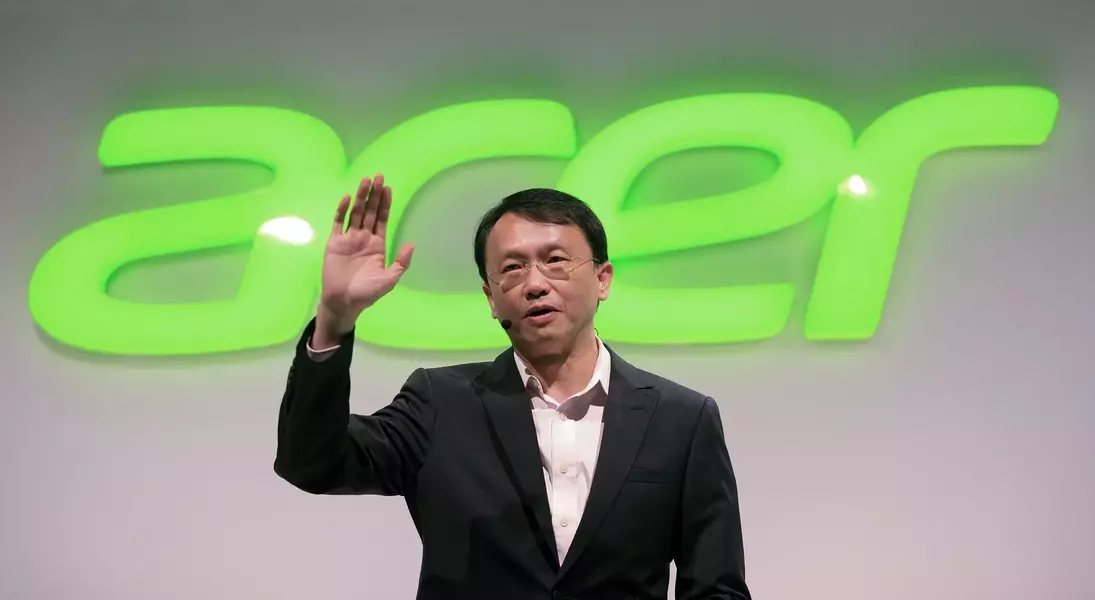
In a refreshing take on the persistent memory chip crisis, Acer CEO Jason Chen has voiced a contrasting opinion, asserting that the scarcity will not endure until 2030. This optimistic forecast challenges the dire predictions from other industry figures and offers a ray of hope for consumers, particularly PC gamers grappling with escalating hardware costs. Chen suggests that some memory manufacturers might be exaggerating the long-term impact of the shortage to safeguard their profit margins.
According to Chen, the availability of standard DDR4 and certain DDR5 chips is not as constrained as widely perceived. While acknowledging the short supply of high-speed DDR5, typically found in high-performance computing rather than mainstream desktop PCs, he remains confident that the overall memory market will stabilize sooner than anticipated. This shift is expected to be influenced by new production capacities, especially from Chinese manufacturers, which could alleviate supply pressures and lead to more competitive pricing.
Acer CEO's Optimistic Outlook on Memory Market Recovery
Acer's Chief Executive, Jason Chen, stands apart from many industry voices by predicting an earlier resolution to the memory chip shortage, specifically stating it's 'impossible' for the crisis to extend until 2030. He contends that concerns about the supply of DDR4 and many DDR5 chips are overstated, with the real bottleneck primarily affecting specialized, high-speed DDR5 memory used in niche applications. Chen attributes the prolonged gloomy forecasts to memory manufacturers keen on preserving their profit margins and share values. His perspective offers a more positive vision for the hardware market, suggesting that the current scarcity is not as deeply entrenched as some reports indicate.
Contrary to the widespread belief that the memory shortage will plague the tech industry for years, Jason Chen believes that market dynamics will shift, leading to price stabilization. He points out that while PC prices are likely to continue their upward trend through the end of 2026, with an estimated 5-20% increase, a significant drop is expected by mid-2027, followed by further reductions towards the close of that year. This turnaround, according to Chen, will largely be facilitated by the emergence of new production capacities, particularly from Chinese DRAM manufacturers like CXMT, which are rapidly gaining market share and intensifying competition. This increased supply is crucial for mitigating the shortage and ultimately driving down prices, offering a much-needed respite for consumers looking to upgrade their PC hardware.
Market Dynamics and Future Price Adjustments
The current landscape of the memory market has been characterized by rising prices and supply constraints, but Jason Chen offers a different perspective on its future trajectory. He believes that the narrative of a prolonged shortage, extending well into the next decade, is partially driven by memory producers seeking to maintain elevated price points. Chen specifically highlights that mainstream DDR4 and a significant portion of DDR5 chips are not experiencing severe shortages, with the true scarcity limited to highly specialized, high-speed DDR5 components. This distinction is critical as it suggests that the broader consumer market for PC memory might not be as impacted as previously feared by some industry analyses.
Looking ahead, Chen anticipates that while consumers may endure continued price increases for PC components, ranging from 5-20% through late 2026, a notable shift is on the horizon. He foresees a decline in prices beginning around mid-2027, with more substantial reductions expected by the end of that year. A key factor in this projected market correction is the increasing production capabilities of Chinese DRAM manufacturers. As companies like CXMT expand their market presence and challenge established players, the competitive landscape will intensify, leading to an earlier alleviation of supply pressures and a more favorable pricing environment for consumers. This outlook, though still involving short-term challenges, paints a less daunting picture than the decade-long shortages predicted by others in the industry
