
This article examines the divergent paths of the Marvel and DC cinematic universes, emphasizing the role of stable leadership and a consistent creative vision in achieving long-term success in the superhero film genre. It contrasts the steady growth of the Marvel Cinematic Universe under Kevin Feige with the perpetual restarts and executive instability that have plagued the DC Extended Universe.
Stability Breeds Success: A Comparative Look at Superhero Cinematic Universes
The Cycle of Rebooting and Leadership Changes in DC's Cinematic Universe
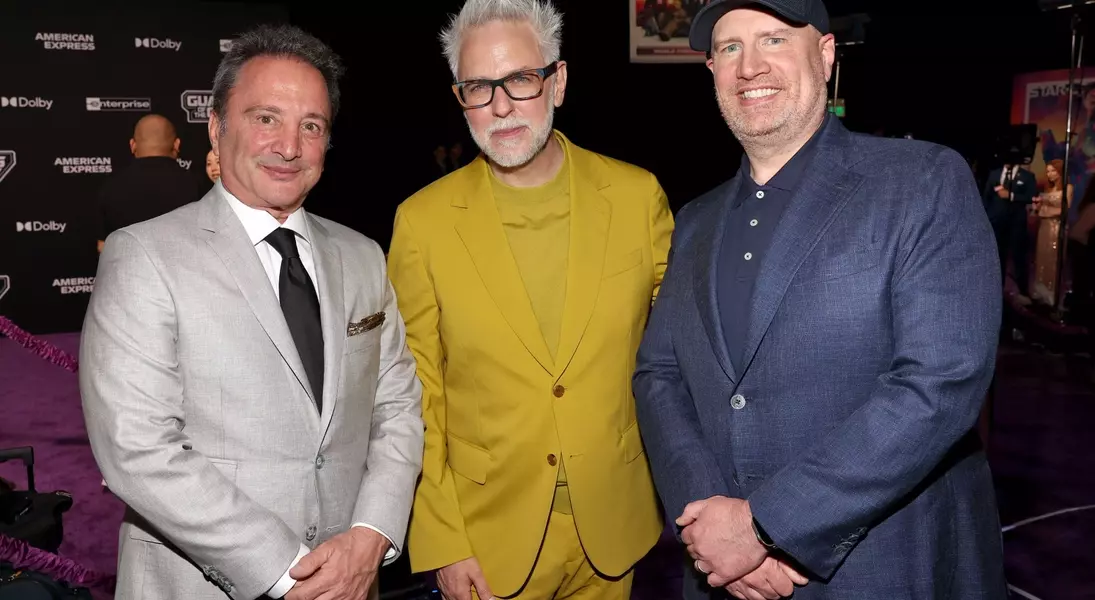
Fans of superhero blockbusters are once again experiencing a familiar sense of deja vu. Recent events saw David Ellison, CEO of Skydance, dismiss James Gunn and Peter Safran from their leadership positions at DC Studios, following Skydance's acquisition of Warner Bros. and DC. This marks another chapter in a series of reboots and changes within the DC cinematic universe, evoking a sense of repetition and inefficiency in its strategic direction.
Kevin Feige's Enduring Vision and Marvel's Uninterrupted Growth
Amidst the ongoing turbulence at DC, Marvel Studios president Kevin Feige continues to receive widespread acclaim for his successful stewardship of the rival superhero franchise. Recognized as a highly effective film producer, Feige's ability to consistently deliver popular and interconnected stories for the Marvel Cinematic Universe (MCU) is often attributed to his deep understanding of the source material, strategic long-term planning, and passion for the narratives he brings to life. However, a less discussed but equally crucial element of his success is the stable organizational environment he has enjoyed.
The Advantage of Stability: Marvel's Steady Foundation
Marvel's trajectory benefited significantly from Disney's acquisition of the company in 2009, early in the MCU's development. This provided Feige with a largely autonomous environment to execute his vision for over a decade. This sustained freedom allowed him to meticulously build the MCU, culminating in monumental successes like Avengers: Endgame, by implementing long-term plans without constant executive interference. This contrasts sharply with the frequent strategic shifts and leadership changes experienced by DC.
Corporate Influence and Creative Compromises: A Universal Challenge
Even the seemingly unshakeable Marvel Cinematic Universe has faced its share of corporate pressures. The push towards extensive streaming content by Disney in the early 2020s, for instance, led to a perceived dilution of both Marvel and Star Wars brands. This period highlighted that even Feige, despite his strong track record, was not entirely immune to executive directives that could potentially compromise creative decisions, underscoring the inherent challenges of balancing artistic integrity with corporate demands in large-scale productions.
DC's Persistent Turmoil and Missed Opportunities
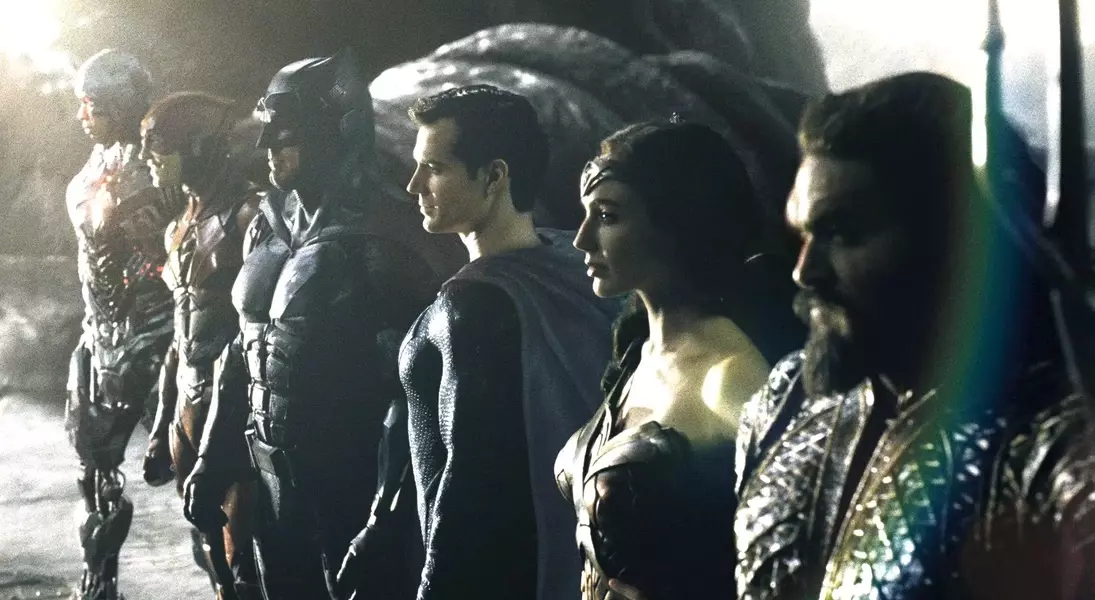
Returning to the origins of the modern superhero film era, Christopher Nolan's Batman trilogy revitalized the genre. Subsequently, director Zack Snyder was tasked with crafting a DC Extended Universe to rival Marvel's. Despite some box office successes, the DCEU was plagued by internal disarray. Snyder's departure in 2017 due to personal reasons led to an inconsistent completion of Justice League, and subsequent leadership changes further fragmented its direction. This constant instability prevented the establishment of a cohesive cinematic strategy that could resonate with audiences.
The Unfulfilled Promise of James Gunn's Tenure at DC
By 2022, the need for a complete overhaul of the DC universe was evident, and James Gunn was brought in to lead this revitalization. While the debate over his suitability for the role may persist, it's undeniable that Gunn was never afforded the same conditions as Feige. His tenure saw the release of a well-received Superman film, a couple of less memorable features centered on minor characters, and several television series that, while often engaging, struggled to integrate into a larger, overarching narrative. This outcome raises questions about whether more time or a different strategic focus on core characters could have yielded better results.
The Fundamental Difference: Time and Creative Autonomy
Ultimately, the core distinction between Marvel and DC's success lies in the sustained time and creative freedom granted to their leadership. While talented individuals like James Gunn possess vision and skill, the relentless cycle of corporate acquisitions, executive reshuffles, and strategic reorientations within DC has historically undermined any consistent effort to build a stable and compelling cinematic universe. Feige's enduring superpower at Marvel has been the ability to tell his stories with minimal disruption, a luxury rarely afforded to his counterparts at DC.
