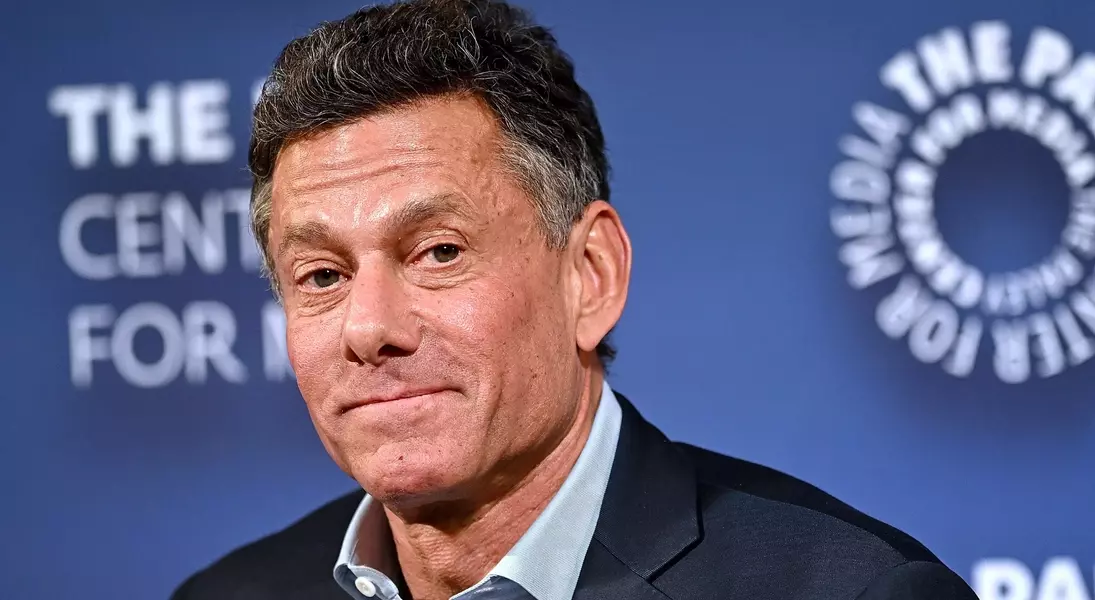
Take-Two Interactive's CEO, Strauss Zelnick, has articulated a clear position against embedding interstitial advertisements within premium video games. He views the integration of such ads into titles consumers pay a significant amount for, typically $70 to $80, as fundamentally unjust. This perspective emerges amid broader industry discussions, with some analysts forecasting a rise in in-game advertising as publishers seek diversified revenue streams. Zelnick differentiates this from free-to-play games or contextually fitting advertisements, such as those seen in virtual sports arenas, which he considers an organic part of the simulated environment rather than a primary financial driver. His remarks underscore a commitment to player experience in the premium segment, suggesting that the company prioritizes the value proposition for its paying customers over potentially lucrative, but intrusive, advertising models.
This stance from a prominent industry leader like Zelnick highlights a potential divergence in strategies within the gaming sector regarding monetization. While some predict an inevitable shift towards more pervasive advertising, Take-Two seems poised to resist this trend for its higher-priced offerings. This could be a strategic move to maintain consumer trust and perceived value for flagship titles, contrasting with practices that might alienate a player base expecting an uninterrupted, premium experience after a substantial initial investment. The debate over in-game advertising in premium titles continues to evolve, with companies like Take-Two signaling a preference for models that do not compromise the core value players expect from their purchases.
The Debate Over In-Game Advertising in Premium Titles
In the evolving landscape of video game monetization, a significant discussion has emerged regarding the role of advertising, particularly within full-priced premium titles. Industry analyst Matthew Ball recently highlighted the potential for increased in-game advertising, driven by publishers' search for new revenue streams. He pointed to the vast number of game sessions in popular titles like NBA 2K as a massive, untapped advertising inventory. This view suggests that companies could generate substantial income by placing targeted ads in loading screens or other in-game spaces, capitalizing on a captive audience. However, this projection has met with resistance from some industry leaders who believe such practices could undermine the value proposition of premium games. The core of this debate lies in balancing the desire for additional revenue with the preservation of player experience and perceived fairness.
The integration of advertisements into games has historically been more common in free-to-play models, where the absence of an upfront cost justifies alternative monetization methods. For premium titles, where players pay a substantial fee upfront, the introduction of intrusive advertising raises questions about consumer expectations and value. While contextually relevant ads, such as virtual billboards in sports stadiums, might be deemed acceptable as they enhance realism, interstitial ads that interrupt gameplay are often seen as disruptive and unfair. This tension between maximizing profits and respecting player investment is a critical challenge for game developers and publishers. The industry's decision on this matter will likely shape future monetization strategies and influence how players perceive the value and integrity of their gaming experiences.
Take-Two's Stance: Prioritizing Player Fairness and Experience
Take-Two Interactive's CEO, Strauss Zelnick, has clearly articulated his company's position on in-game advertising, emphasizing that such practices would be inappropriate for premium, full-priced titles. Zelnick explicitly stated that he is not interested in incorporating interstitial ads into games for which players have already paid $70 or $80. He views this as a matter of fairness, drawing a distinction between free-to-play games, where ads are an accepted part of the business model, and premium experiences that demand an uninterrupted flow. While acknowledging limited, contextually appropriate advertising in sports simulations like NBA 2K, he clarifies that these are not significant revenue drivers but rather elements that enhance realism within the game's setting. This perspective underscores a commitment to maintaining a high-quality, ad-free experience for consumers who have made a substantial investment in their games.
Zelnick's firm stance reflects a strategic choice to prioritize player satisfaction and uphold the perceived value of Take-Two's premium offerings. In an industry increasingly exploring diverse monetization strategies, this decision sets Take-Two apart by rejecting a model that could be seen as exploitative by its core audience. By refraining from intrusive advertising in paid titles, the company aims to foster trust and ensure that players feel their investment is respected. This approach suggests a long-term vision that values brand reputation and player loyalty over short-term advertising gains. As the gaming landscape continues to evolve, Take-Two's commitment to an ad-free premium experience could become a significant differentiator, influencing both consumer expectations and broader industry trends regarding game monetization and player engagement.
