
The landscape of modern football is ever-evolving, with tactical innovations constantly reshaping how the game is played. As we look ahead to the 2025-26 Premier League season, an examination of recent data reveals several compelling trends that could define the upcoming campaign. From subtle adjustments in goal-kick routines to a potential resurgence of traditional set-piece strategies and the ongoing influence of player positioning, teams are continually seeking new ways to gain a competitive edge. This exploration delves into the tactical nuances that emerged from the previous season's data, offering insights into what fans can anticipate as clubs strive for dominance on the field.
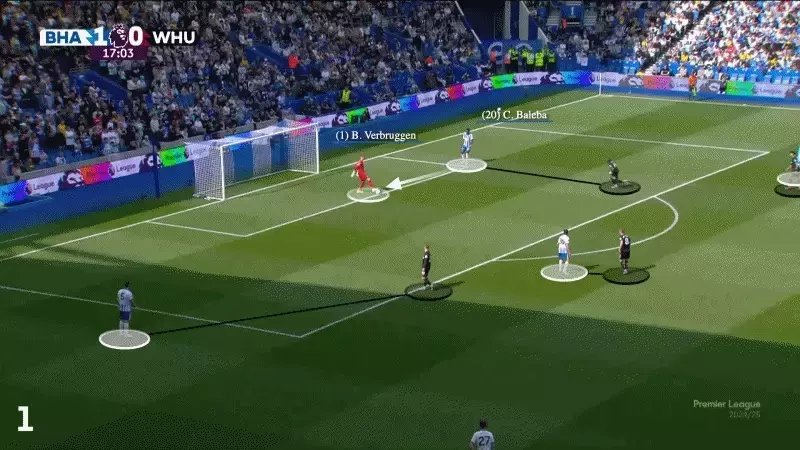
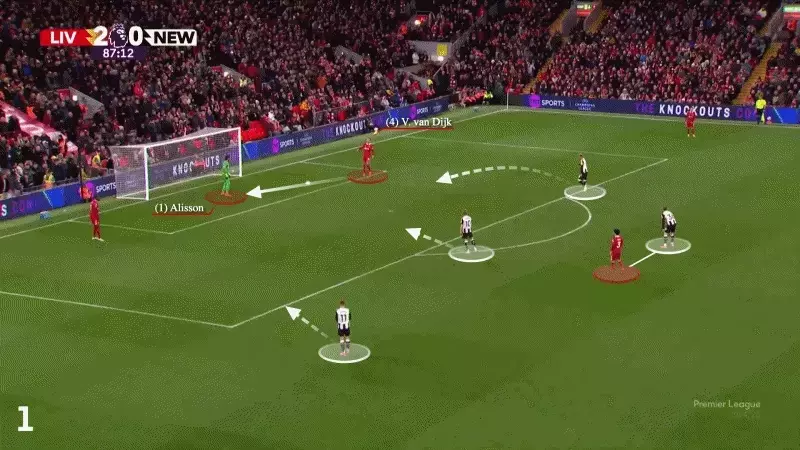
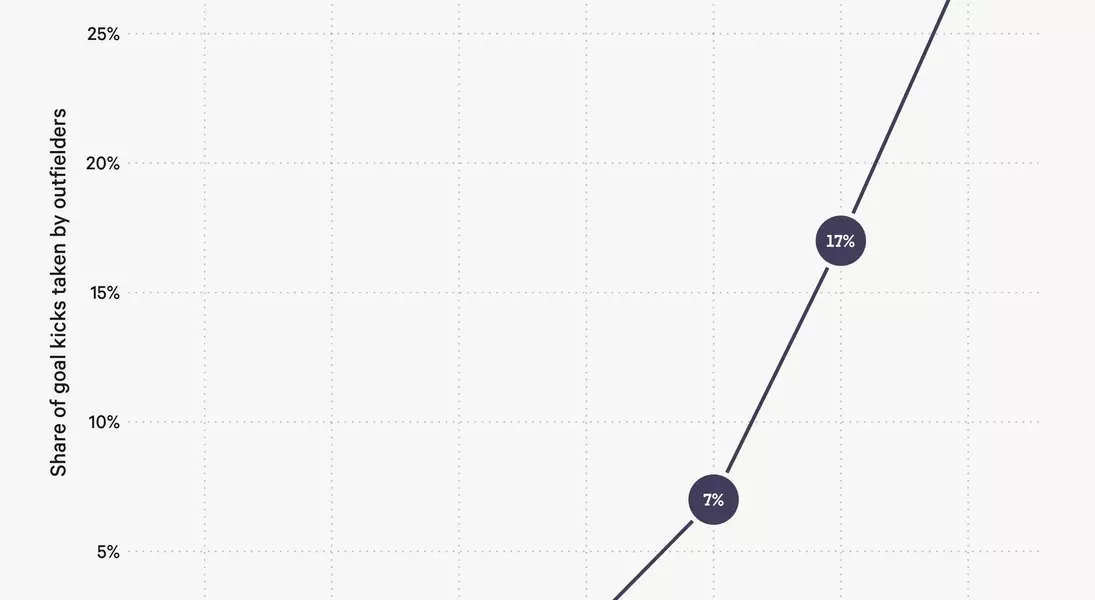
One striking development is the increasing involvement of outfield players in taking goal kicks. This strategy, aimed at constructing play from the defensive third and disrupting high presses, has become a cornerstone for many teams. Brighton & Hove Albion, under Fabian Hurzeler, exemplify this approach, leading the league with 158 instances of outfield players initiating goal kicks last season. Their method often involves a quick pass to the goalkeeper within the six-yard box, drawing in opposition attackers and creating space higher up the pitch. Liverpool, too, have adopted this, albeit with a varied execution, frequently using Virgil van Dijk to launch long passes over pressing lines to dynamic forwards like Mohamed Salah. The underlying data confirms a significant increase in this trend, with over a quarter of all goal kicks last season being taken by outfielders, a direct consequence of a 2019-20 law change allowing players within the penalty area during goal kicks. This tactical choice underscores a broader shift towards more deliberate and expansive build-up play, designed to bypass aggressive defensive schemes.
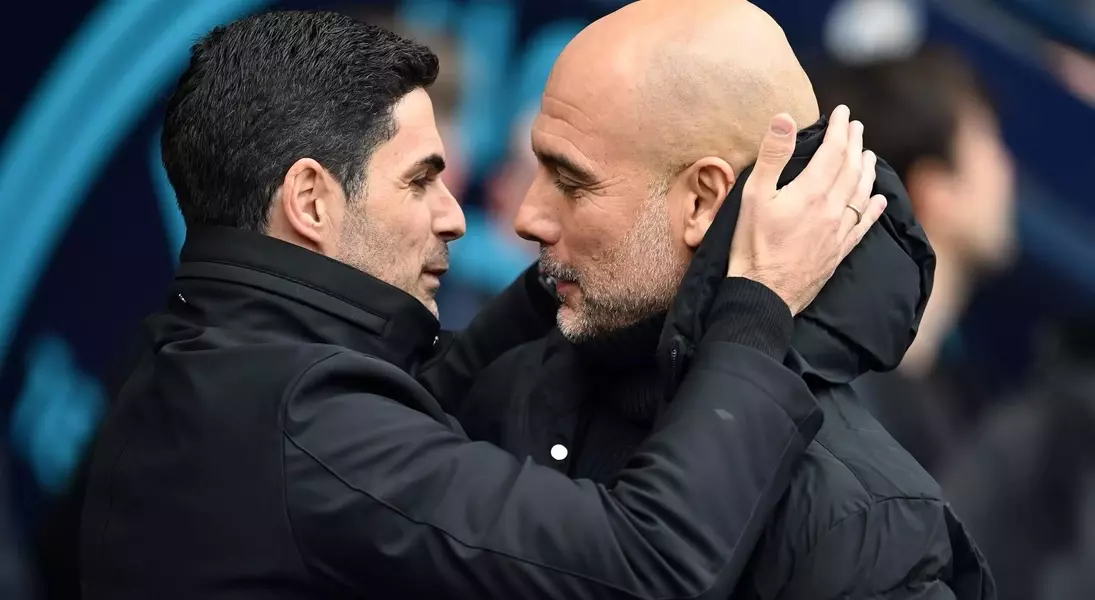
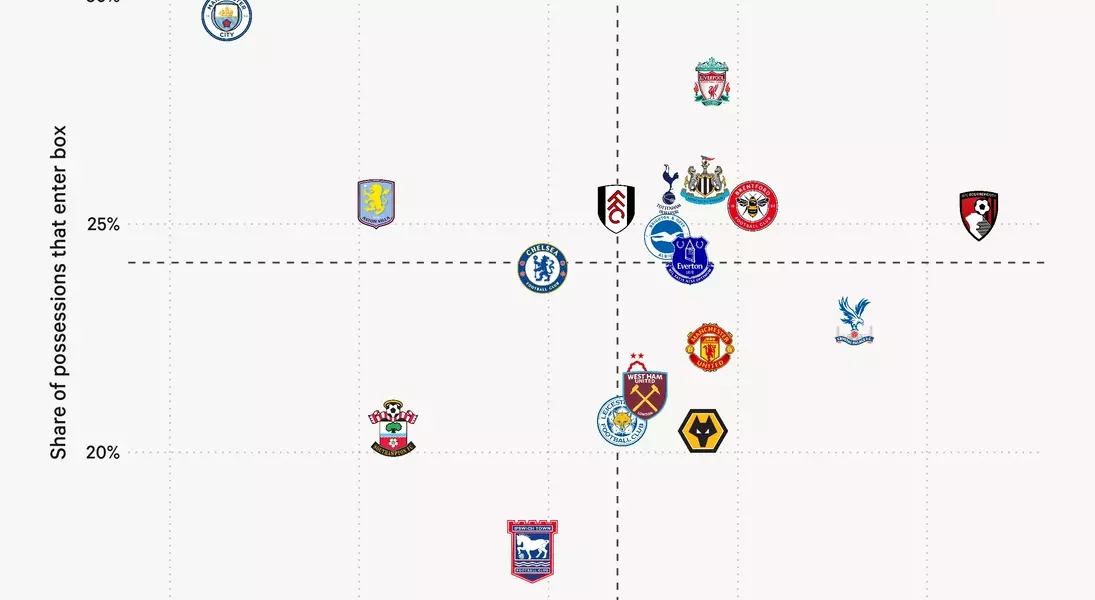
Another fascinating area of tactical evolution concerns the playing styles of top contenders, particularly Manchester City and Arsenal. While both clubs are renowned for their meticulous, possession-based approaches, there's growing discussion about whether they will adapt to a more 'transitional' or 'chaotic' style of play. Pep Guardiola himself has acknowledged the increasing prevalence of this fluid, rhythm-based football championed by teams like Bournemouth, Newcastle, Brighton, and Liverpool. Data shows City and Arsenal typically have fewer possessions per game, indicating a controlled build-up rather than rapid transitions. However, their struggles against counter-attacks, highlighted during City's Club World Cup campaign, suggest a need for adaptability. With new attacking talents like Jeremy Doku, Savinho, Rayan Cherki, and Viktor Gyokeres joining their ranks, both teams possess the personnel to embrace a more direct, fast-paced approach when the situation demands it. This potential shift could add an unpredictable dimension to their formidable arsenals, allowing them to exploit transitional moments more effectively.
Furthermore, the seemingly antiquated 'rugby-style' kick-off is experiencing an unexpected revival. Despite a decade-long trend towards shorter, possession-oriented passes from open play, many teams are now employing long, territorial kicks to start matches. Analysis reveals that over 40 percent of first passes from kick-offs are directed into the final third, often targeting wide channels to exploit less aerially dominant full-backs. Brentford, under their former head coach Thomas Frank, were masters of this tactic, scoring five goals within 80 seconds of a restart last season, including a remarkable streak against top teams. Even possession-dominant sides like Liverpool, with Virgil van Dijk's diagonals, have integrated this into their routines. European champions Paris Saint-Germain have taken it a step further, adopting a full rugby-style kick-to-touch during the Club World Cup to quickly establish a high press. This resurgence of long kick-offs reflects a pragmatic approach, where teams are willing to momentarily deviate from their core philosophy to gain immediate positional advantage and surprise opponents.
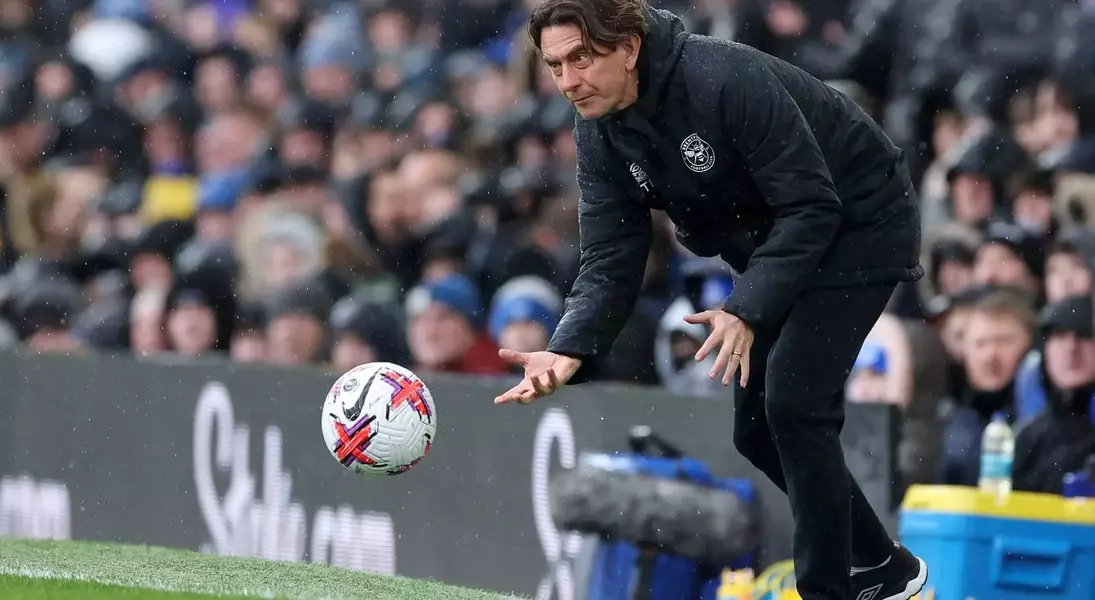
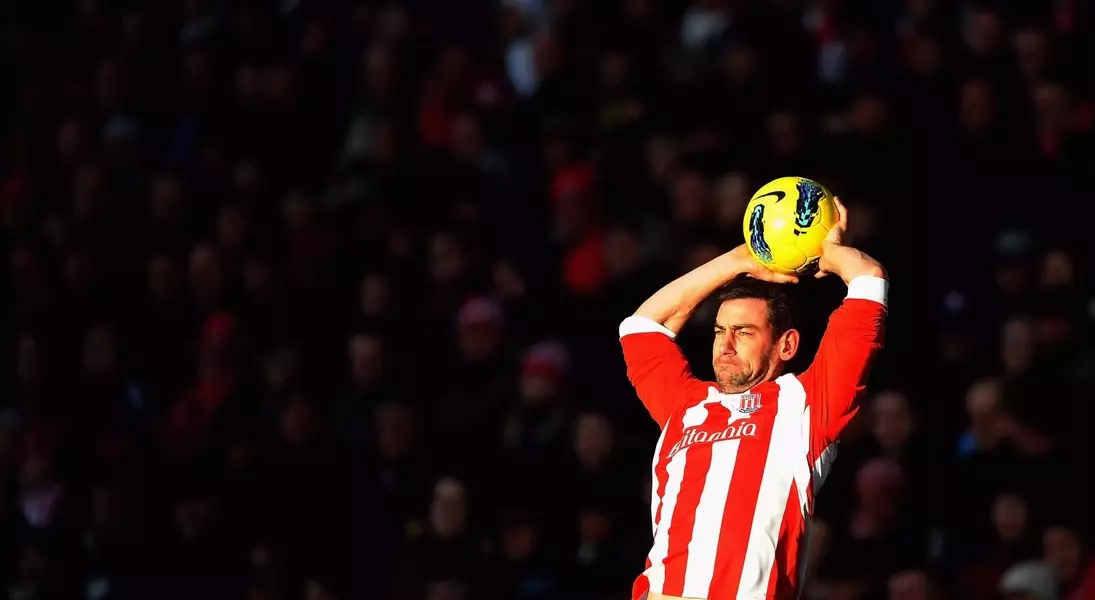
The return of long throws as a potent attacking weapon is also generating buzz. Thomas Frank, now at Tottenham, openly expressed his enthusiasm for long throws, considering them a valuable tool in his tactical repertoire. Brentford's success in generating chances from attacking throw-ins last season (103, the highest in the Premier League) underlines their effectiveness. Intriguingly, Liverpool, a team traditionally less reliant on such set pieces, appears to be exploring this avenue under Arne Slot, with players like Wataru Endo and Ryan Gravenberch practicing long throws in pre-season. This interest from clubs that historically shied away from direct throw-ins suggests a broader recognition of their potential to create goal-scoring opportunities. Concurrently, new rules from the International Football Association Board (IFAB) allowing referees to award corners if goalkeepers hold the ball for more than eight seconds could further influence set-piece dynamics. This change could penalize teams like Arsenal and Manchester United, who displayed vulnerability to opposition corners last season, forcing goalkeepers to be more decisive and potentially leading to an increase in set-piece goals overall.
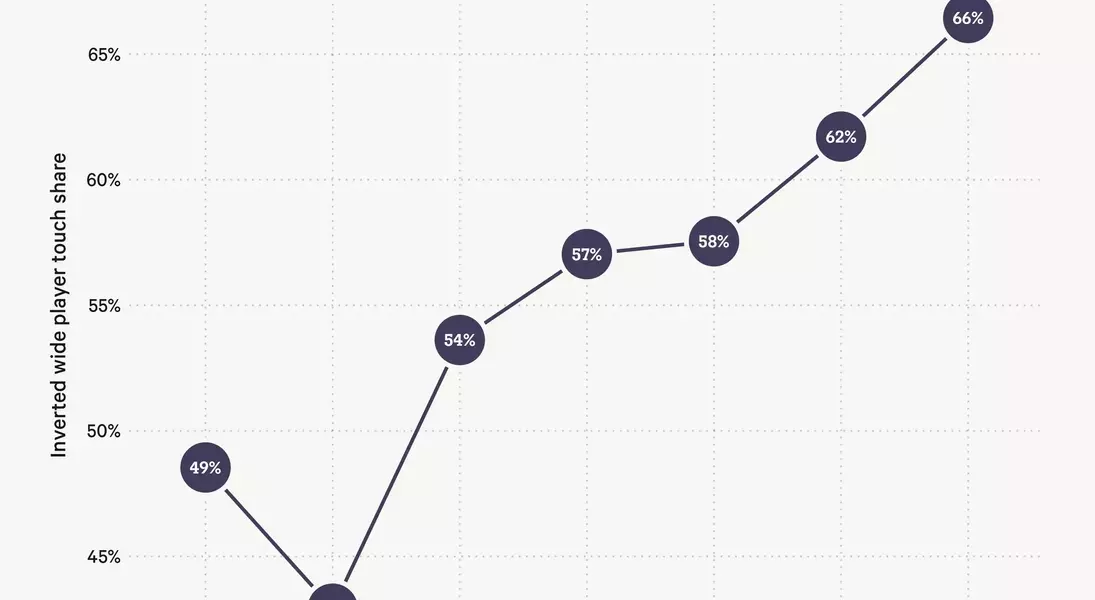
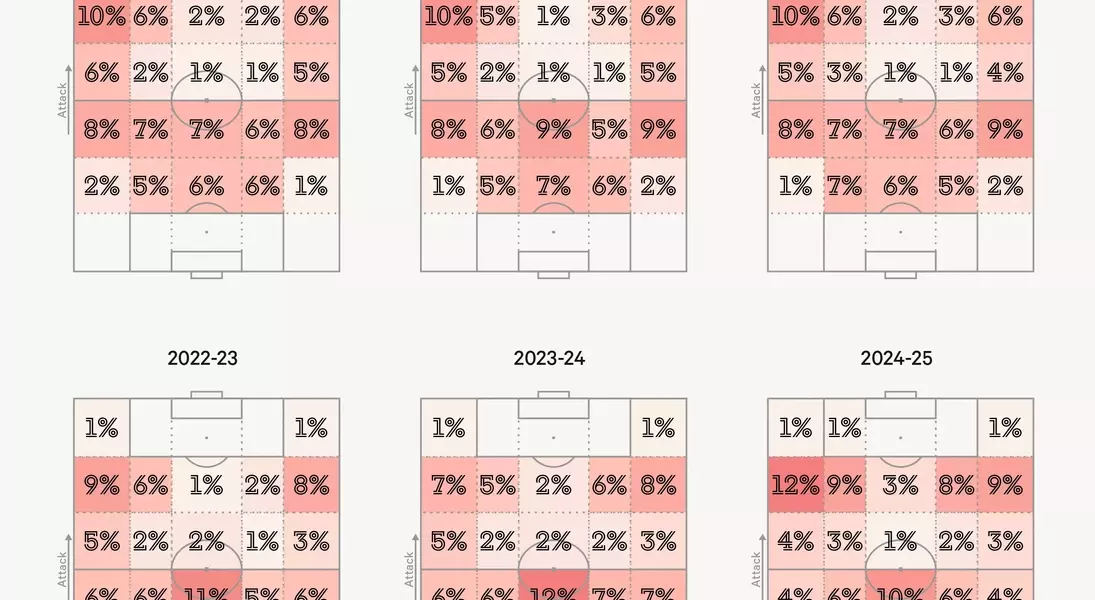
Finally, the prevalence of inverted wingers continues its dominance, raising questions about the fate of traditional, 'same-side' wingers. Since Arsene Wenger's pioneering use of players like Robert Pires, the trend of wide attackers playing on the opposite side to their preferred foot has only intensified. Last season, two-thirds of touches by wingers or attacking midfielders came from players operating in inverted roles. The transfer market reflects this appetite, with new signings like Bryan Mbeumo and Matheus Cunha at Manchester United, and Mohammed Kudus and Noni Madueke at Tottenham and Arsenal, all capable of cutting inside onto their stronger foot. While the inverted winger remains supreme, there's a subtle counter-trend emerging: open-play crosses, particularly from same-side wingers, saw a mini-revival last season, especially for teams like Newcastle, Fulham, and Bournemouth. This suggests that while inverted wingers offer unique attacking angles, the unpredictability and directness of traditional crossing might provide an unexpected tactical advantage in the evolving Premier League.
As the new Premier League season approaches, these evolving tactical trends hint at a dynamic and unpredictable campaign. Teams will continue to innovate, adapting their strategies based on data-driven insights and a willingness to blend traditional approaches with modern footballing philosophies. The interplay between established tactical frameworks and these emerging patterns promises a season rich in strategic battles and captivating football.
