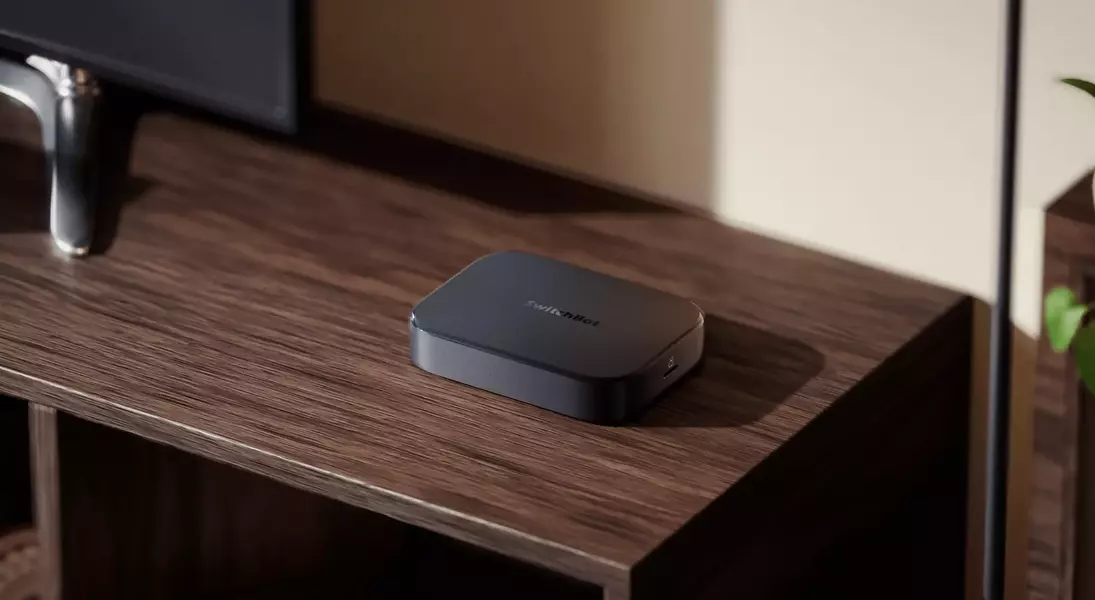
SwitchBot, a company renowned for its robotic innovations, is taking a significant step towards transforming the smart home landscape by integrating artificial intelligence into its product ecosystem. Their latest offering, the AI Hub, showcased at IFA, is designed to usher in a new paradigm of intelligent living, moving beyond basic device controls to a more proactive and adaptive home environment. This new hub marries local AI processing capabilities with a sophisticated cloud-based visual language model, enabling it to interpret and react to events captured by connected devices such as security cameras and video doorbells.
The core innovation of the SwitchBot AI Hub lies in its ability to understand and categorize visual information, translating complex real-world occurrences into actionable triggers for home automation. For instance, the system can detect a person falling or identify specific objects, pets, and even faces, using this contextual awareness to initiate predefined routines. This advanced level of environmental comprehension allows for scenarios like automatically adjusting lighting based on activity or notifying caregivers in emergencies. While competitors like Ring offer similar visual search functionalities, SwitchBot distinguishes itself by directly linking these intelligent detections to automated responses, emphasizing a holistic approach to home management rather than mere surveillance.
Looking ahead, SwitchBot's vision extends to a highly ambitious, futuristic smart home powered by agentic AI, as depicted in their "SwitchBot Vision" concept video. This concept illustrates a seamless interaction between various smart devices and a central AI, culminating in a humanoid robot performing domestic tasks such as laundry and meal preparation based on sensory inputs. This bold projection, while currently aspirational, underscores the company's commitment to developing a truly responsive and intuitive home ecosystem. Achieving such a comprehensive level of AI integration will undoubtedly require significant advancements in device interoperability, standardized communication protocols like Matter, and a robust framework for handling privacy concerns, particularly given the extensive use of visual data. SwitchBot's emphasis on local processing for sensitive data, however, suggests a mindful approach to balancing intelligence with personal privacy.
The evolution of smart home technology, propelled by AI, promises a future where our living spaces are not just connected but are truly intelligent, anticipating and responding to our needs with unprecedented efficiency and personalization. This shift towards more intuitive and autonomous home environments fosters a sense of empowerment and convenience, creating spaces that actively contribute to our well-being and simplify daily routines. As technology continues to advance responsibly, embracing innovation while safeguarding individual privacy, the dream of a truly smart and supportive home moves closer to reality, enriching lives and fostering a more harmonious existence.
