The quest for women's voting rights in America encompassed an unexpected yet effective strategy: the use of culinary endeavors. Proponents of women's suffrage frequently organized bake sales and compiled recipe collections, which they then sold to generate funds for their advocacy efforts. While seemingly at odds with their broader objective of asserting women's roles beyond traditional domestic confines, this approach proved to be a powerful tool for fostering solidarity among women and furthering their cause.
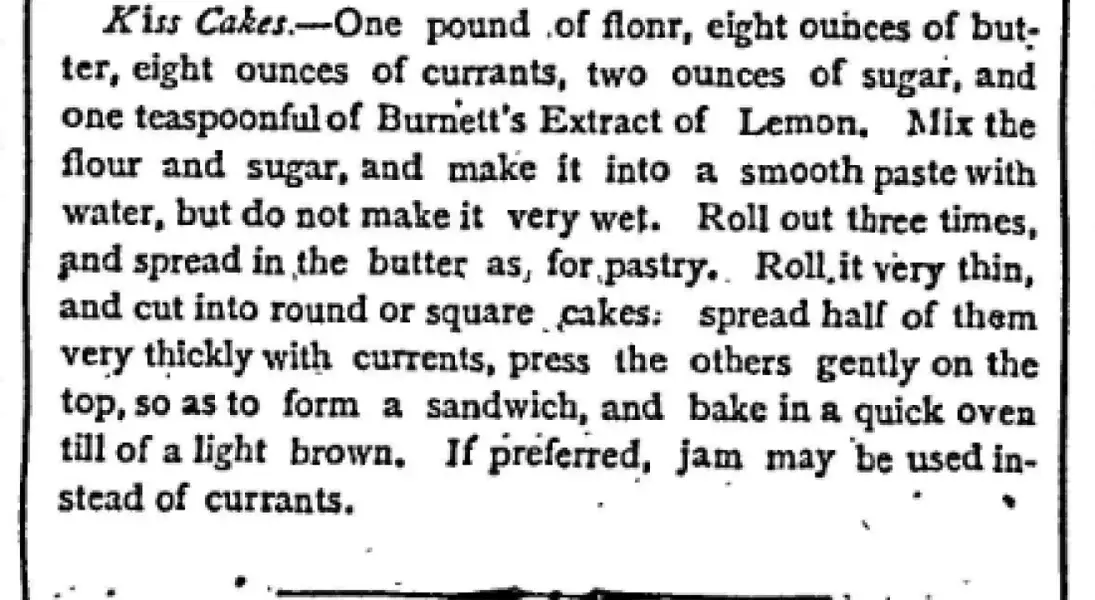
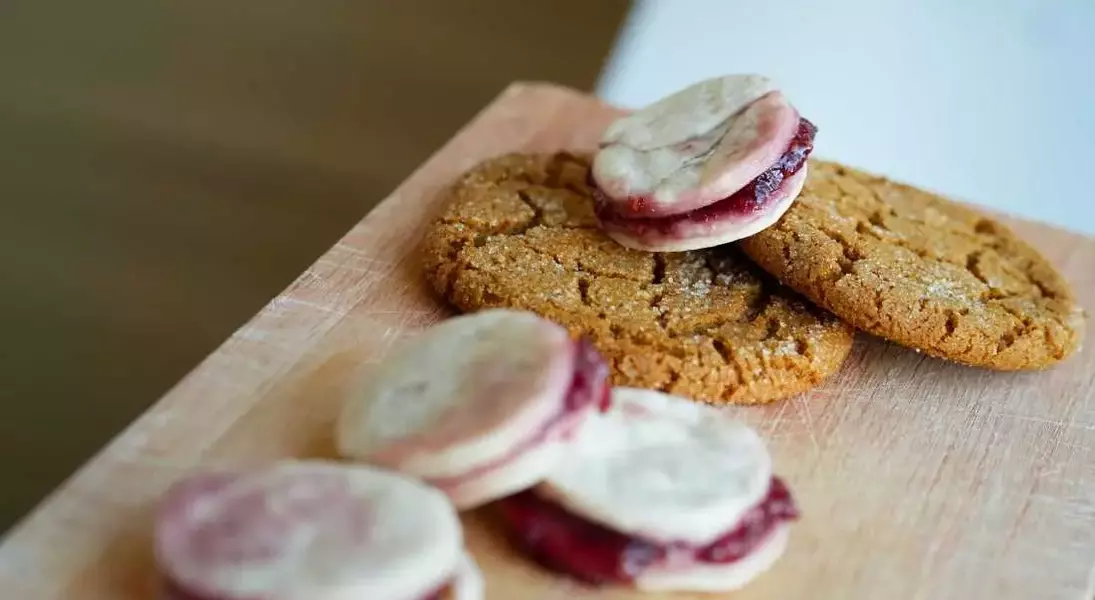
Understanding the precise nature of these historic bake sales and the flavors they offered presents a challenge due to the archaic nature of the recipes. Historical recipes, such as those found in the 1885 Woman's Exponent newspaper, presented difficulties in modern replication. These culinary instructions often lacked specific measurements, using pounds instead of cups for ingredients like flour and butter, and frequently omitted crucial details such as precise cooking temperatures and durations. Despite these obstacles, a modern attempt to recreate 1885 kiss cakes revealed confections that, while not overly sweet or visually elaborate by contemporary standards, possessed a charming simplicity. These cookies, along with various cakes and pies, were sold at events across the American West, providing essential financial support that enabled suffragists to travel and campaign for women's rights.
Beyond fundraising, the creation of cookbooks served as a strategic medium for suffragists to promote their agenda while simultaneously showcasing their domestic competence. These publications underscored a profound respect for women's contributions and championed the idea that efficient household management could free up time for civic engagement. This clever tactic helped counteract prevalent negative stereotypes of suffragists as unladylike or neglectful of their homes, presenting them instead as capable individuals who could balance traditional roles with broader societal responsibilities. The use of familiar domestic activities allowed them to connect with a wider audience and gently challenge existing prejudices, ultimately contributing to the success of the movement.
The historical use of bake sales and cookbooks by suffragists exemplifies an ingenious and empowering approach to social change. This method not only provided vital resources for the movement but also skillfully reframed the public perception of women's roles, demonstrating that domesticity and political activism were not mutually exclusive. It underscores the power of creative strategy and community building in achieving significant societal progress, reminding us that even the simplest acts can contribute to profound transformations in the pursuit of equality and justice.
