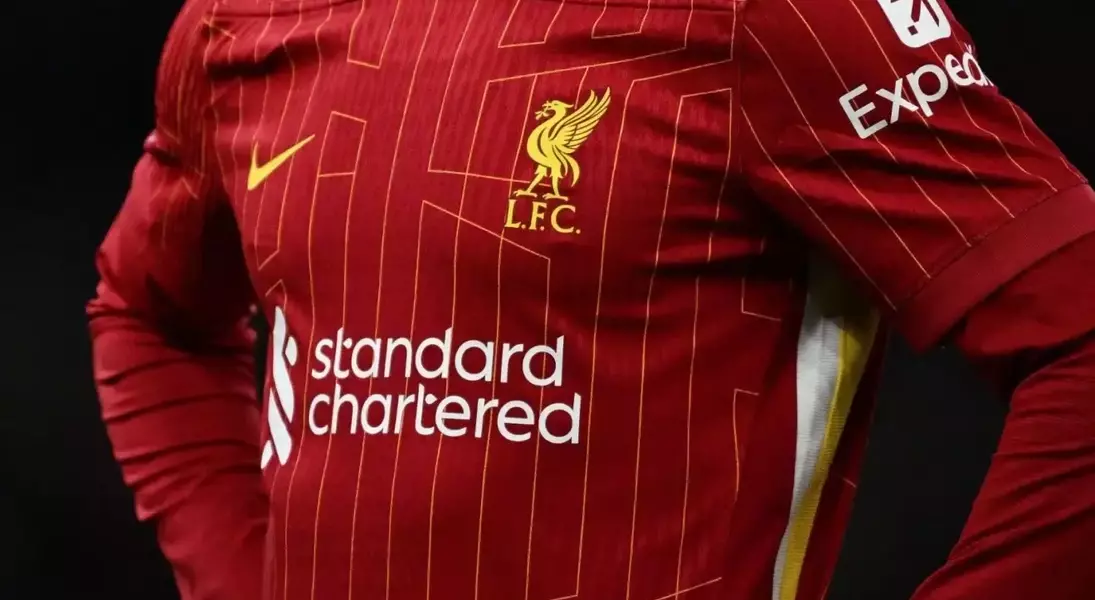
The landscape of football kits has transformed dramatically, evolving from simple cotton garments to advanced, fashion-forward apparel laden with synthetic materials. This progression, however, comes with a substantial environmental cost, primarily due to the widespread use of polyester, a petroleum-derived plastic known for its high carbon footprint, propensity for shedding microplastics, and contribution to waste accumulation. Despite significant efforts by leading sports brands such as Adidas, Nike, and Puma to integrate sustainable practices, a crucial question remains: do these initiatives genuinely foster environmental change, or do they merely serve as 'greenwashing' tactics?
The environmental concerns associated with modern football kits are multifaceted, ranging from the proliferation of microplastic pollution in waterways to the substantial carbon emissions generated during production, alongside the growing issue of textile waste. A significant challenge is the low global recycling rate for plastic, with only about nine percent ever being reused; the vast majority persists for centuries, breaking down into increasingly smaller microparticles. Furthermore, the carbon intensity of producing virgin polyester is considerable, consuming vast amounts of energy and releasing greenhouse gases. The rapid cycle of new kit releases, fueled by consumer demand and marketing trends, exacerbates the problem of textile waste, making it clear that simply recycling used kits is insufficient to tackle the systemic issue of overproduction.
To truly embrace sustainable fashion, the football apparel industry must move beyond a reliance on recycled synthetics. This necessitates a fundamental re-evaluation of supply chains, investment in biodegradable materials, a reduction in the frequency of new kit introductions, and complete transparency regarding the product lifecycle, from raw material sourcing to end-of-life disposal. Clubs have a unique opportunity to leverage their influence and partner with sponsors to advocate for genuine change, promoting initiatives like extended kit lifecycles, take-back programs, and circular design principles. Educating fans is equally vital, helping them understand that while purchasing a recycled kit is a step forward, it is not a complete solution in itself. Ultimately, sustainability in football remains an evolving journey, where brands and clubs are making strides in awareness and material innovation, but a comprehensive environmental victory hinges on ending the industry's dependence on plastics rather than simply managing its disposal.
