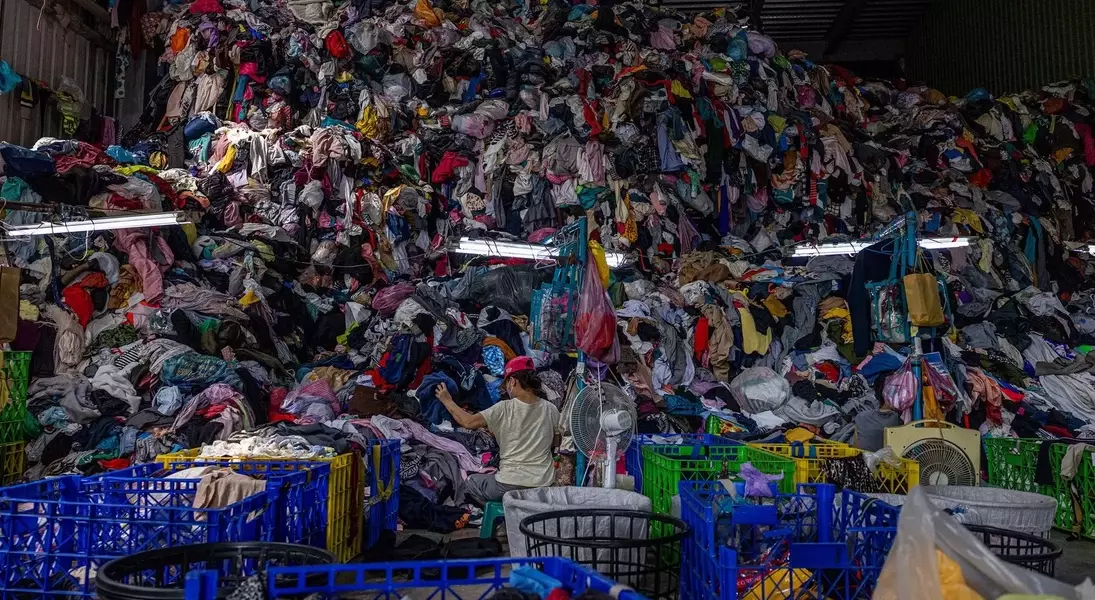

The year 2025 proved to be a pivotal and often unpredictable period for sustainable fashion, navigating a complex web of shifting political priorities, economic pressures, and environmental crises. While many anticipated significant advancements, the reality was a mix of unexpected challenges and quiet, foundational progress. Regulatory frameworks, once seen as the primary driver for change, faced substantial rollbacks, particularly in the European Union, forcing sustainability initiatives to re-evaluate their strategies. Concurrently, global supply chains were rocked by both ethical investigations into labor practices and new trade tariffs, compelling brands to confront reputational risks and reconsider their operational footprints. Amidst these turbulent waters, a crucial silver lining emerged: an increased recognition of the urgent need for climate adaptation strategies and a growing emphasis on direct, collaborative relationships with suppliers. The industry also witnessed both the triumphs and tribulations within the alternative materials sector, signaling a maturing landscape for innovation.
Ultimately, 2025 served as a sobering yet essential year for sustainable fashion, demonstrating that while external pressures can waver, the internal drive for systemic change, underpinned by a solid business case and worker-centric solutions, remains paramount. The experiences of this year have laid the groundwork for more resilient, adaptive, and ethically conscious practices, reinforcing the idea that genuine transformation will stem from deep-seated collaborations and a renewed commitment to long-term sustainability, irrespective of immediate policy fluctuations or market volatilities.
Regulatory Shifts and Supply Chain Disruptions
The year 2025 was characterized by significant regulatory shifts and widespread disruptions in global supply chains, profoundly influencing the sustainable fashion landscape. Initial hopes for robust environmental legislation were tempered as the European Union scaled back or shelved key sustainability directives, prioritizing economic competitiveness. This retreat from regulatory enforcement left many sustainability teams without their primary leverage for internal buy-in, leading to a period of reassessment. Despite these setbacks, enforcement through existing consumer protection and labor laws gained traction, resulting in fines for major brands engaging in unsustainable practices. This period of uncertainty, however, also inadvertently strengthened the underlying infrastructure of sustainability initiatives within companies, pushing them to establish data systems and governance structures that would serve them regardless of future regulatory changes. The experience highlighted that while regulation can set a baseline, true industry transformation requires more than just compliance.
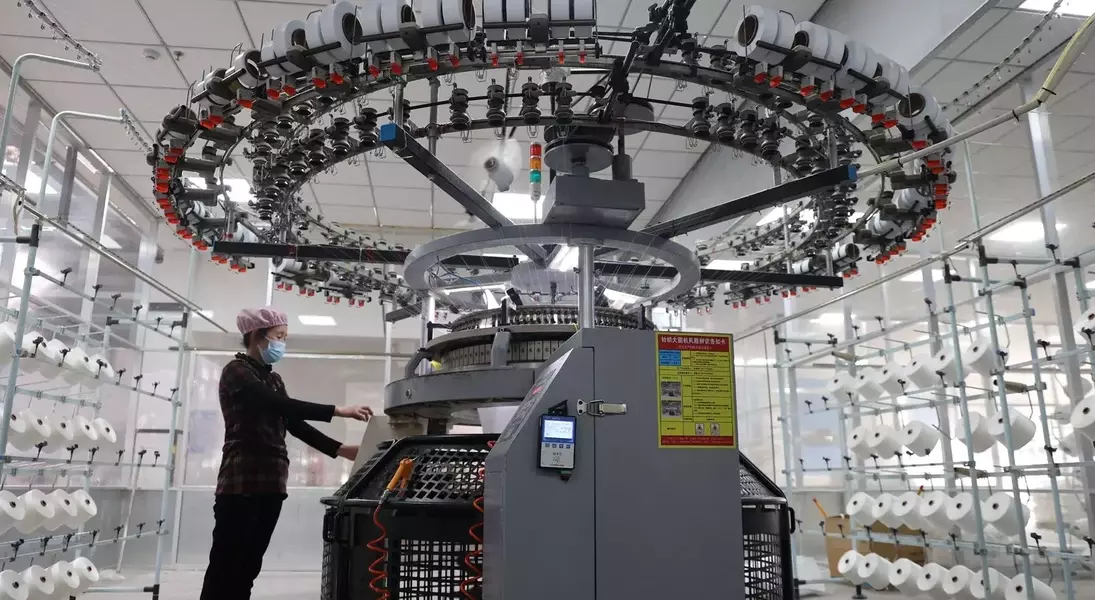
Amidst this regulatory turbulence, fashion supply chains faced severe pressures from ethical scandals and international trade policies. Italian authorities launched investigations into exploitative labor conditions within luxury supply chains, revealing systemic issues and prompting calls for greater transparency and accountability. Brands like Loro Piana and Armani faced scrutiny, underscoring the reputational risks associated with opaque sourcing. Adding to the complexity, new tariffs imposed by the US, particularly the "Liberation Day tariffs," forced many brands to re-evaluate and often relocate their manufacturing operations. This led to a significant shift towards diversifying supply chains, which, while offering some flexibility, also created challenges for established manufacturers and raised concerns about socio-economic injustices in abandoned regions. Experts emphasized the need for luxury brands to foster stronger, more equitable partnerships with suppliers, recognizing that sustainability is a collaborative endeavor rather than merely a surveillance system, in order to maintain business continuity and ethical standards.
Climate Adaptation and Collaborative Innovation
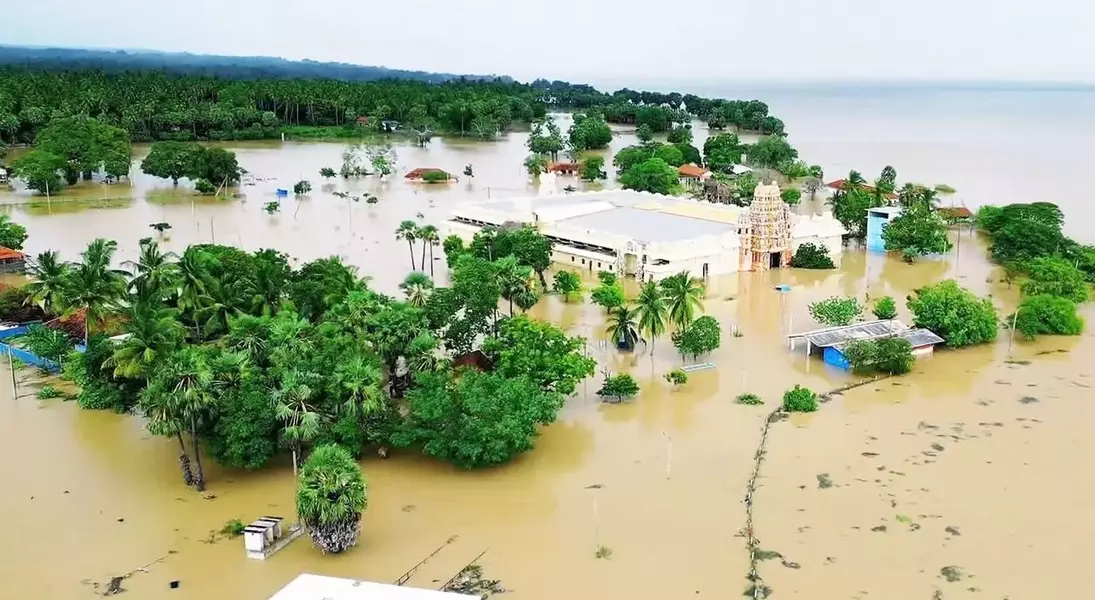
In 2025, the fashion industry could no longer ignore the tangible impacts of climate change, which became a critical driver for new strategies in climate adaptation and fostered greater collaborative innovation across supply chains. Extreme weather events, ranging from devastating wildfires in Los Angeles to catastrophic floods in Pakistan and cyclones in Sri Lanka, directly affected garment production and worker safety. This heightened awareness brought issues like extreme heat and its impact on factory workers to the forefront, prompting discussions about incorporating such protections into international accords. Brands began to recognize that investing in climate adaptation strategies for their factories and workers was not just an ethical imperative but essential for long-term supply chain resilience, even if immediate business returns were not always obvious. This shift emphasized the critical role of workers as rights holders and essential actors in building a truly sustainable future, moving beyond a top-down approach to embrace worker-led solutions and direct investment in their well-being.
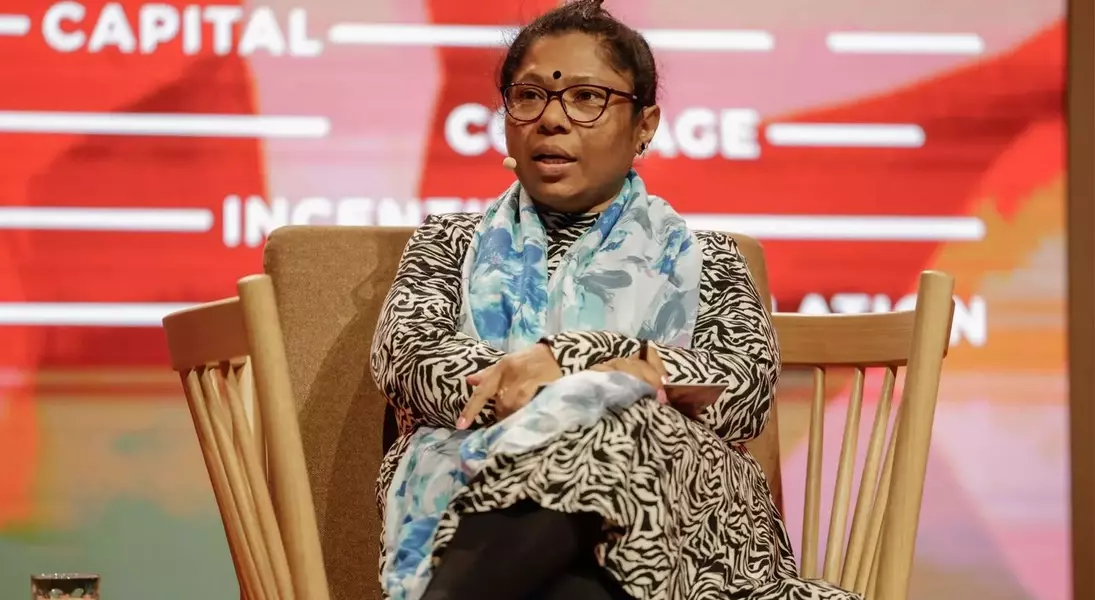
This period of climate reckoning also spurred a renewed focus on the business case for sustainability, with industry leaders emphasizing the need to align environmental and social initiatives with core business objectives to ensure long-term viability. Sustainability teams increasingly engaged with capital, risk management, and innovative business models, moving beyond purely impact-driven discussions to demonstrate how sustainable practices could prevent margin erosion, mitigate supply chain disruptions, and enhance competitiveness. This led to a welcome increase in honesty within the industry, acknowledging where efforts had fallen short and the need for better cross-functional integration of sustainability goals. Concurrently, the alternative materials sector experienced a mixed but ultimately maturing year. While some alternative leather startups faced closures and consolidation, the field of textile-to-textile recycling saw significant advancements, with major partnerships and the establishment of commercial-scale production plants. This demonstrated that while scaling innovative materials still presented challenges, collaborative networks and a focused approach were paving the way for tangible breakthroughs. The year culminated in a clear understanding that achieving climate targets and fostering a truly sustainable fashion industry necessitates a rebalancing of power dynamic within supply chains, promoting strong, reciprocal partnerships, and prioritizing the well-being of all stakeholders involved.
