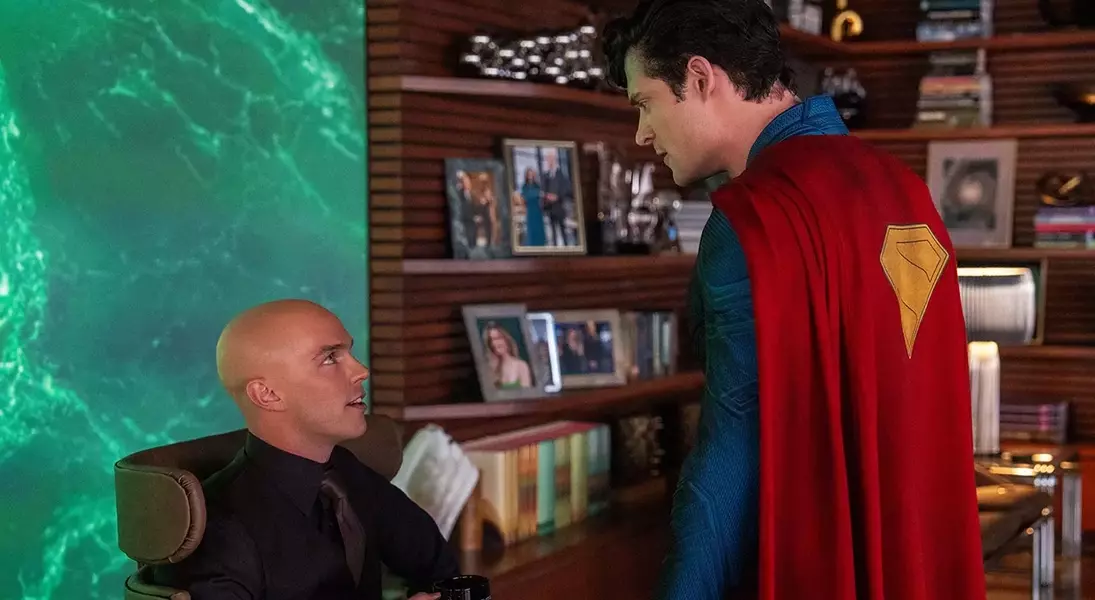
Superman, the embodiment of justice and truth, has inexplicably found himself at the center of cultural discourse. This phenomenon ranges from interpretations of his origins as a commentary on immigration to widespread discussions online about director James Gunn's new film and its perceived allusions to global conflicts. Even prominent political figures have engaged with the character's image, demonstrating the pervasive impact of this iconic hero across various societal spheres.
This is not the first instance where the character, or indeed the broader medium of comic books, has been drawn into public debate. Historically, before accusations were leveled against various forms of popular entertainment, comic books faced scrutiny for their content. In the mid-20th century, particularly the late 1940s and early 1950s, independent publishers found success with crime and horror comics that pushed boundaries with their graphic content and controversial themes. These publications, predating the rise of rock and roll music, ignited a moral panic among parents, clergy, and politicians.
At the forefront of this movement was Dr. Fredric Wertham, a psychiatrist whose 1954 book, Seduction of the Innocent, argued that comic books fostered juvenile delinquency, learning disabilities, and other behavioral issues in children. Wertham's critique extended even to Superman, whom he controversially characterized as promoting fascist ideals due to his perceived authoritarian power and vigilante methods. He misconstrued Superman’s symbolism, comparing the hero’s emblem to Nazi iconography, despite the character's historical anti-fascist narratives. This outcry eventually led to the establishment of the Comics Code Authority, which profoundly reshaped the comic book industry by imposing strict moral guidelines and ushering in the era of superhero dominance. This period cemented Superman’s image as an unwavering symbol of virtue, a portrayal echoed in recent interpretations where kindness is championed in an often cynical world.
While Wertham's criticisms are often dismissed today, his warnings about the potential for popular characters to be co-opted for harmful agendas still resonate. As figures like Homelander and Overman in contemporary media satirize the dark side of superheroism, the potential for Superman's integrity to be manipulated remains a relevant concern, especially as the character approaches public domain status. Yet, in a world grappling with cynicism and authoritarian tendencies, the enduring appeal of Superman's inherent goodness serves as a powerful antidote, proving that genuine heroism continues to inspire and uplift.
