
In this installment of our ongoing series examining video game cover art, we turn our attention to 'Super Mario Advance 3: Yoshi's Island.' This feature explores the unique visual strategies employed for the game's packaging in different global markets, inviting readers to consider the impact of these artistic choices. Following a recent highly skewed poll result for 'Final Fantasy Tactics A2: Grimoire of the Rift,' where the European/Japanese version garnered a commanding 90% of the votes, we anticipate another engaging discussion surrounding these iconic designs.
With a new Yoshi adventure on the horizon, it's timely to revisit one of the beloved dinosaur's most cherished portable titles. While the Super Nintendo original of 'Yoshi's Island' was previously featured in 2020, the Game Boy Advance adaptation presents its own distinct cover designs, warranting a fresh comparison.
The European and North American cover art for 'Super Mario Advance 3: Yoshi's Island' will immediately strike a chord with those familiar with the Super Nintendo version's aesthetic. It depicts Yoshi and Baby Mario embarking on a cheerful journey through the island, with a formidable Nep-Enut emerging from the background waters. This rendition is characterized by its clarity, vibrant colors, and iconic imagery, effectively capturing the game's adventurous spirit.
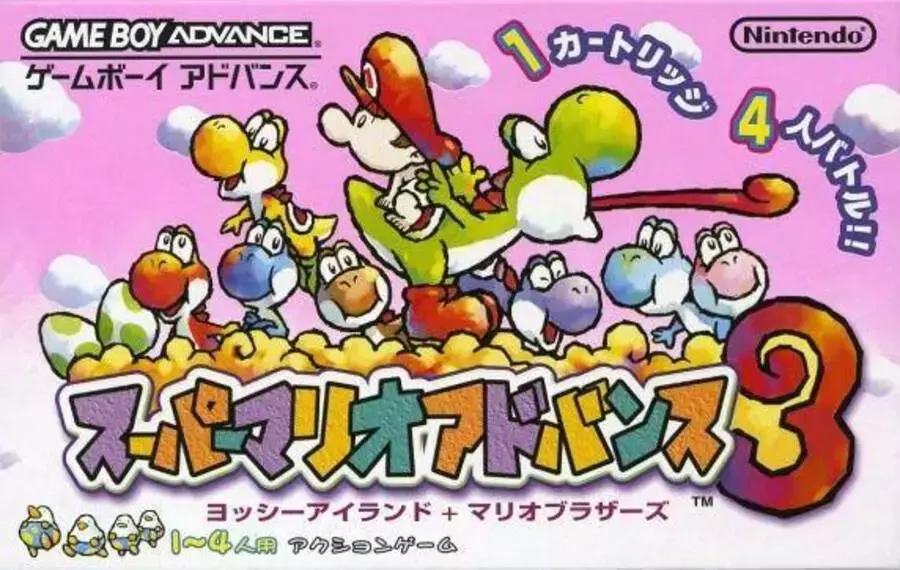
Conversely, the Japanese cover design adopts a less literal approach to depicting the game's levels. While Baby Mario and Yoshi remain central figures, they are encircled by a multitude of Yoshis, each adorned in various pastel shades. This visual choice subtly emphasizes the game's potential for multiplayer interaction. Although the pink backdrop might not directly showcase a typical level layout as overtly as its Western counterpart, it undeniably radiates a charming and endearing quality.
Ultimately, the analysis of these different box arts reveals how regional marketing strategies influence visual communication in video games. Both designs successfully evoke the charm and spirit of 'Yoshi's Island,' albeit through divergent artistic lenses. The European/North American version leans into direct representation of gameplay, while the Japanese version emphasizes character and potential social interaction within the game's universe, providing a fascinating study in cultural aesthetic preferences.
