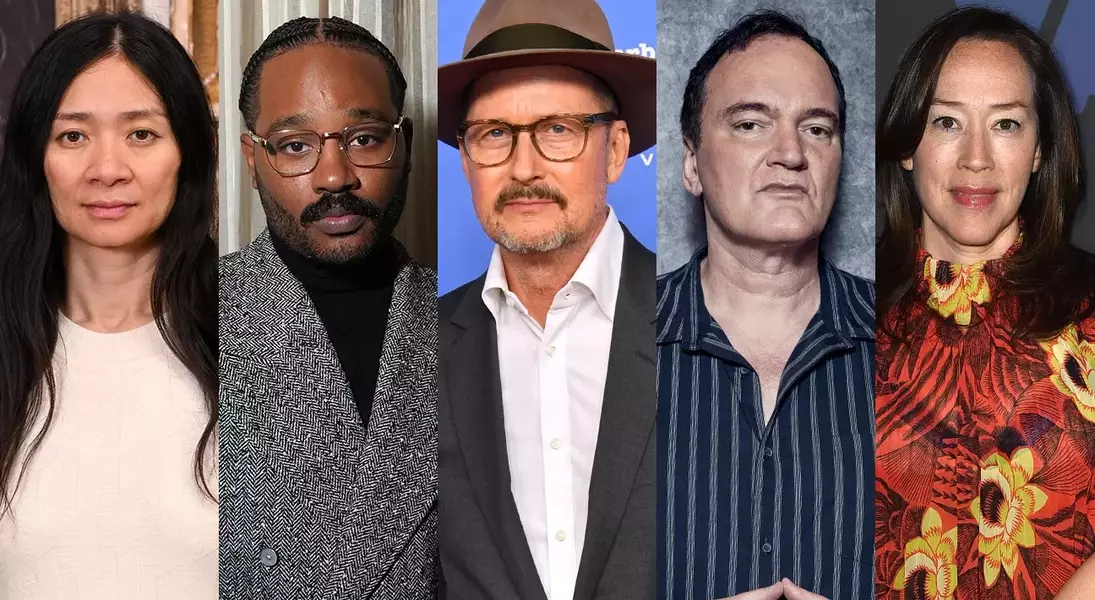
The Sundance Film Festival is widely recognized as a transformative force in the careers of independent filmmakers, fostering a vibrant community and providing crucial opportunities for exposure and growth. Many acclaimed directors credit the festival with profoundly influencing their artistic paths and professional success. From premiering groundbreaking works to securing distribution deals and forging lasting industry connections, Sundance offers an unparalleled environment where creativity is championed and emerging talent is nurtured. Its unique blend of artistic philanthropy and community support has cemented its status as a vital institution in the world of cinema.
The festival's impact extends beyond mere screenings, acting as a dynamic incubator for cinematic innovation. Filmmakers often find themselves amidst a supportive network of peers and mentors, allowing for collaborative exchanges that can profoundly shape their projects. This environment cultivates a sense of belonging and mutual encouragement, which is particularly beneficial for those navigating the often-challenging landscape of independent filmmaking. The lasting relationships and creative partnerships forged at Sundance frequently continue to influence directors' work long after the festival concludes, underscoring its enduring significance as a catalyst for artistic evolution.
Sundance: Launching Careers and Cultivating Talent
The Sundance Film Festival has consistently proven to be an indispensable platform for numerous filmmakers, significantly altering the trajectory of their careers. For many, this festival marks a pivotal moment, transitioning them from aspiring artists to established voices in the industry. Directors like Todd Field, whose debut film "In The Bedroom" garnered critical acclaim and multiple Oscar nominations after its Sundance premiere, exemplify how the festival can catapult emerging talent into the spotlight. Field himself emphasizes the unparalleled nature of Sundance, stating that his filmmaking career would not be what it is today without the festival's profound influence and the unique opportunities it provided. This sentiment is echoed by countless other creatives who found their breakthrough moments within its dynamic environment, securing distribution deals, attracting industry representation, and gaining crucial recognition for their work.
Sundance's enduring relevance stems from its capacity to offer a unique blend of exposure, mentorship, and community building. Quentin Tarantino, for instance, likened his early experience at Sundance to a "big film camp," praising its artistically philanthropic approach that provides essential support to young, developing filmmakers. Karyn Kusama credits the festival with transforming her life "almost overnight," connecting her with crucial representation and a vast network of allies that proved invaluable throughout her career. Kenneth Lonergan experienced a dramatic shift in his professional standing, with studios eager to collaborate after his success at Sundance, highlighting how a festival prize can reshape industry perceptions. Even in its final year in Park City before relocating to Boulder, the consistent narratives from these esteemed directors underscore Sundance's unparalleled ability to launch careers and foster a vibrant ecosystem where artistic talent is not only discovered but also deeply cultivated and sustained.
The Enduring Influence of Sundance's Community and Vision
Beyond career acceleration, the Sundance Film Festival fosters an invaluable sense of community and provides a safe haven for artistic experimentation and honest storytelling. Many filmmakers emphasize that the festival creates an environment where they feel understood and supported, a stark contrast to the often competitive nature of the broader film industry. Lauren Greenfield, a photojournalist turned documentary filmmaker, lauded Sundance's documentary community for its collaborative spirit, which inspired her to replicate the festival's lab model in her own work. This emphasis on mutual support, resource sharing, and constructive feedback is a hallmark of the Sundance experience, enabling artists to take creative risks and explore challenging themes without the immediate pressures of commercial viability.
The festival's legacy is rooted in Robert Redford's vision of creating a refuge for radically honest and diverse human stories. Kimberly Peirce, director of "Boys Don't Cry," articulates this perfectly, viewing Sundance not just as a festival, but as "My school. My home. My mentors. My friends." She highlights how Sundance protects narratives that might otherwise be overlooked or suppressed by purely commercial systems, allowing them to challenge and move audiences. This ethos of nurturing challenging work is deeply ingrained in the festival's identity, attracting filmmakers like Ryan Coogler and Chloé Zhao, who formed lasting bonds and collaborative relationships within the Sundance labs. Their experiences demonstrate how the community and shared artistic journey at Sundance provide a "nice harbor" for filmmakers to continually return to, reinforcing their artistic identities and providing ongoing support in an ever-evolving industry. James Wan, director of "Saw," succinctly captures this sentiment, proclaiming Sundance as his "very first love" and acknowledging it as the festival that truly launched his and his peers' opportunities.
