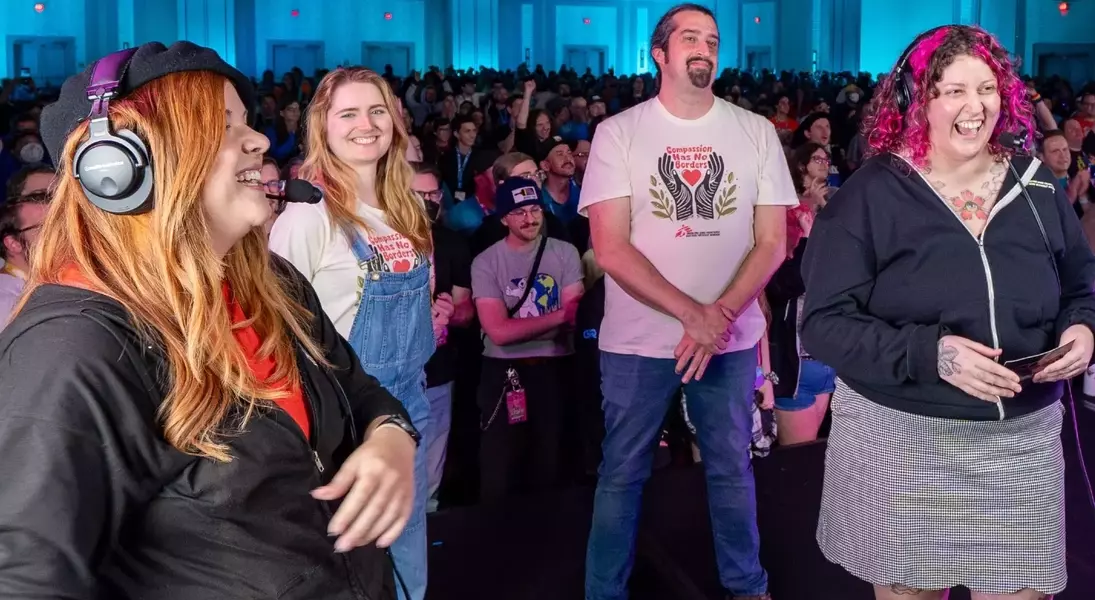
The recent Summer Games Done Quick (SGDQ) event has once again showcased the immense generosity of the gaming community, culminating in a remarkable donation of $2.4 million to Doctors Without Borders. This esteemed organization provides critical medical aid globally to those in dire need. Yet, the event's success was briefly overshadowed by a sponsorship decision that sparked considerable debate.
Summer Games Done Quick Reaffirms Values After Swift Sponsorship Reversal
The speedrunning marathon, Summer Games Done Quick, recently completed its latest charitable endeavor, amassing an impressive $2.4 million in contributions for Doctors Without Borders. This international humanitarian organization delivers vital medical assistance across the globe. However, the event encountered a temporary setback when it announced a sponsored stream featuring SNK, the Japanese game developer renowned for the Metal Slug series. This move was quickly met with public scrutiny because SNK has been majority-owned by the MiSK Foundation, a entity controlled by Saudi Arabia's Crown Prince Mohammad bin Salman, since 2022. Critics swiftly highlighted the apparent contradiction between this partnership and the humanitarian mission of Doctors Without Borders, given Saudi Arabia's documented record of human rights concerns.
Responding promptly to the backlash, Games Done Quick rescinded the sponsorship just three hours after its announcement. The organization issued a public statement, acknowledging the community's concerns regarding the ties to Saudi Arabia's Public Investment Fund and its human rights record. They explicitly stated that the funds from this sponsorship would not be accepted, and future collaborations with the sponsor were ruled out. GDQ emphasized its unwavering commitment to upholding human rights and fostering an inclusive environment, admitting that the partnership inadvertently clashed with these core principles. The organization confessed to an oversight in its review process, expressing deep regret and accepting full responsibility for the lapse in judgment. Moving forward, GDQ pledged to enhance and reinforce its vetting procedures for all prospective sponsors and partners, ensuring a meticulous examination of their ownership and values to align with GDQ's humanitarian objectives.
This incident serves as a potent reminder of the complex ethical considerations that modern organizations, even those dedicated to philanthropy, must navigate. While the immediate reversal of the sponsorship demonstrated GDQ's responsiveness and dedication to its stated values, it also underscores the critical importance of thorough due diligence. The gaming community's rapid and vocal response highlights a growing awareness and expectation for transparency and ethical alignment from prominent entities. This event could foster a deeper commitment within GDQ to rigorously assess partnerships, setting a precedent for other organizations to scrutinize their affiliations more closely, especially when humanitarian causes are at stake. Ultimately, the swift correction reinforces the power of community feedback and the ongoing necessity for organizations to live up to the principles they espouse.
