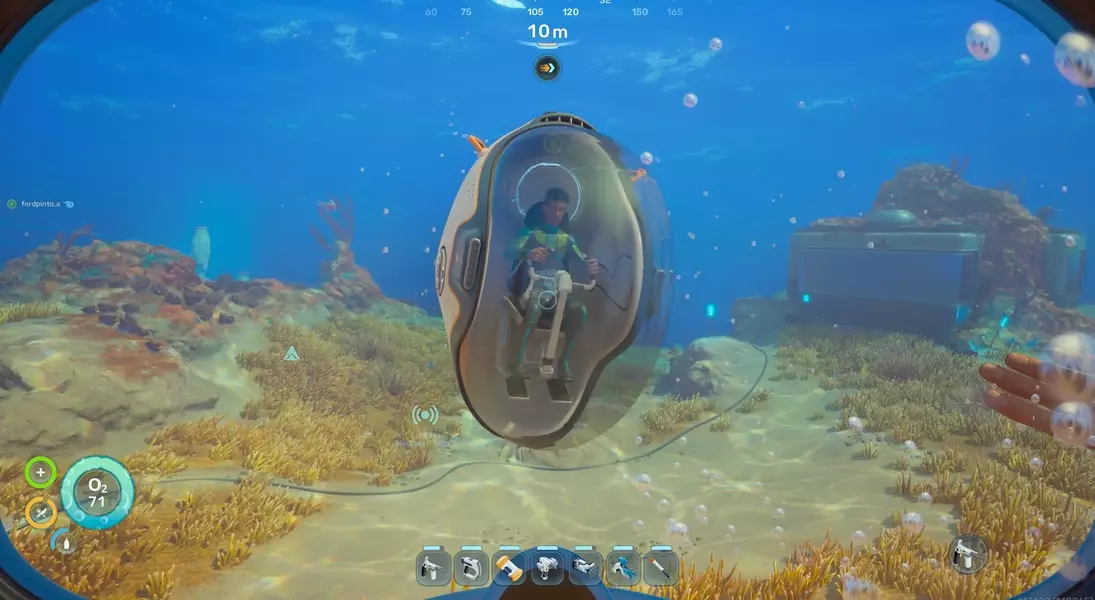
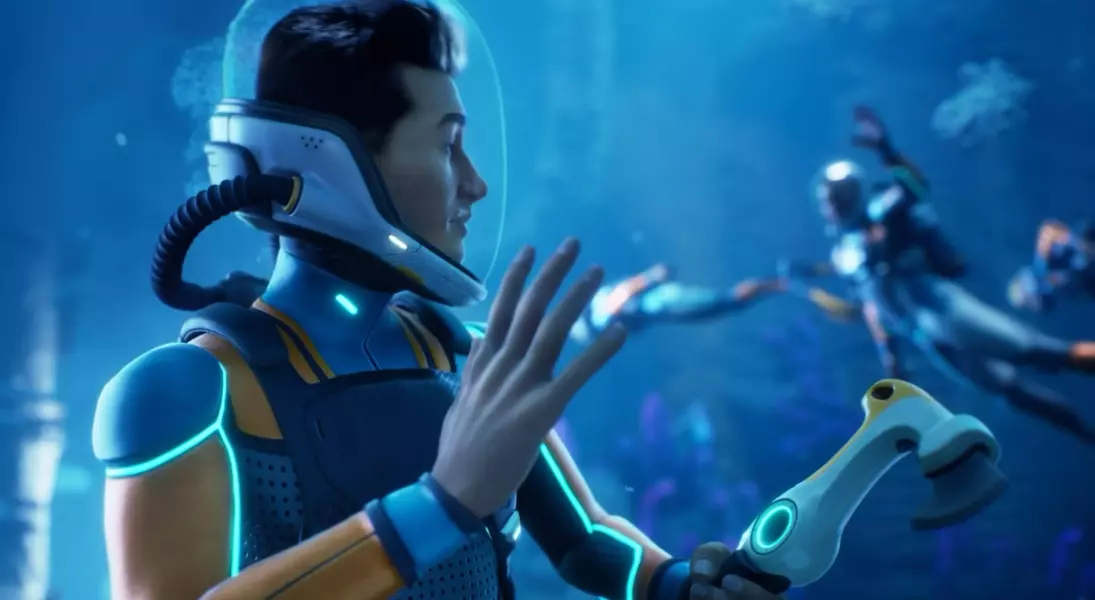
Subnautica 2 has entered its early access phase, bringing with it a highly anticipated multiplayer mode that promises to transform the underwater exploration experience. Players can now team up with up to three friends to navigate the treacherous depths of the alien ocean. While the new system offers convenience, such as the ability to host new cooperative games or integrate existing single-player saves, it also presents some limitations, notably the requirement for new characters for joining players and the absence of an in-game revive mechanic. Despite these initial quirks, the game features flexible world-sharing, allowing players to transfer their saved progress and underwater bases to others, showcasing a promising foundation for cooperative play that is expected to evolve throughout early access.
Dive into Subnautica 2's Cooperative Exploration
In a significant development for fans of underwater survival-crafting, Subnautica 2 made its debut in early access, officially unveiling a multiplayer component that supports up to four players. This new feature enables cooperative exploration of the alien ocean, a first for the franchise. Gaming enthusiasts, including PC Gamer's US Editor-In-Chief Tyler Wilde, had an early opportunity to test this functionality. During these trials, a host player could seamlessly continue their single-player saved game, retaining their extensive base, equipped gear, story progression, and personal enhancements. However, a notable aspect emerged for joining participants: they were required to start with entirely new characters, meaning existing single-player progress, inventory, and equipment did not transfer into the cooperative session.
The cooperative experience proved largely smooth, though a key missing element was the ability to revive fallen teammates. Players who succumbed to the ocean's dangers were instantly transported back to their lifepod, bypassing any opportunity for on-the-spot revival. Despite this, the game’s flexibility shone through in resource management and base editing, where joining players had full access to the host's resources and could modify structures. This level of access necessitates trust among teammates, as unauthorized alterations could occur. Furthermore, the game offers a robust world-sharing system; hosts can easily distribute copies of their saved worlds to friends, allowing them to continue exploring or building upon shared progress independently.
To initiate a new multiplayer session, players simply select 'Host Multiplayer,' choose 'Host New Multiplayer Game,' define their mode (Survival or Creative), click 'Host Game,' and then invite friends from their list. For those wishing to convert a single-player save for multiplayer, the process involves selecting 'Play Single Player,' choosing the desired save, opting to 'Convert to Multiplayer,' confirming, and then hosting the converted game. To revert to single-player, the save can be converted back, making it appear in the single-player game list once more. Sharing saved worlds, whether single-player or multiplayer, involves uploading them to the cloud to generate a unique key that can be shared with others, allowing them to download and experience the shared underwater adventure.
The introduction of multiplayer in Subnautica 2 marks an exciting evolution for the series, opening new avenues for shared adventures in its captivating alien world. While the early access phase has revealed both the strengths and current limitations of the cooperative system, the developers' commitment to continuous improvement suggests a promising future. The ability to explore, build, and survive together, coupled with flexible world-sharing, enhances the core Subnautica experience. As the game progresses through early access, addressing aspects like character progression carry-over and in-game revival mechanisms could further refine and enrich this collaborative deep-sea journey, fostering an even more immersive and engaging environment for players and their friends. This initial offering, despite its imperfections, truly highlights the potential for unforgettable cooperative underwater exploration.
